 ultimate-guide
Why Hire a Yacht Buyer Representative
Table of Contents
- What a Yacht Buyer Representative Does
- Fiduciary Responsibility and Legal Protection
- Understanding Yacht Broker Commission Rates
- The Yacht Sea Trial Checklist and Vessel Inspection
- Navigating the Yacht Purchase Agreement Process
- Red Flags: How to Vet Your Broker
- Post-Purchase Support and Ownership Planning
- Conclusion
- Frequently Asked Questions
Last Updated: September 3, 2026
What a Yacht Buyer Representative Does
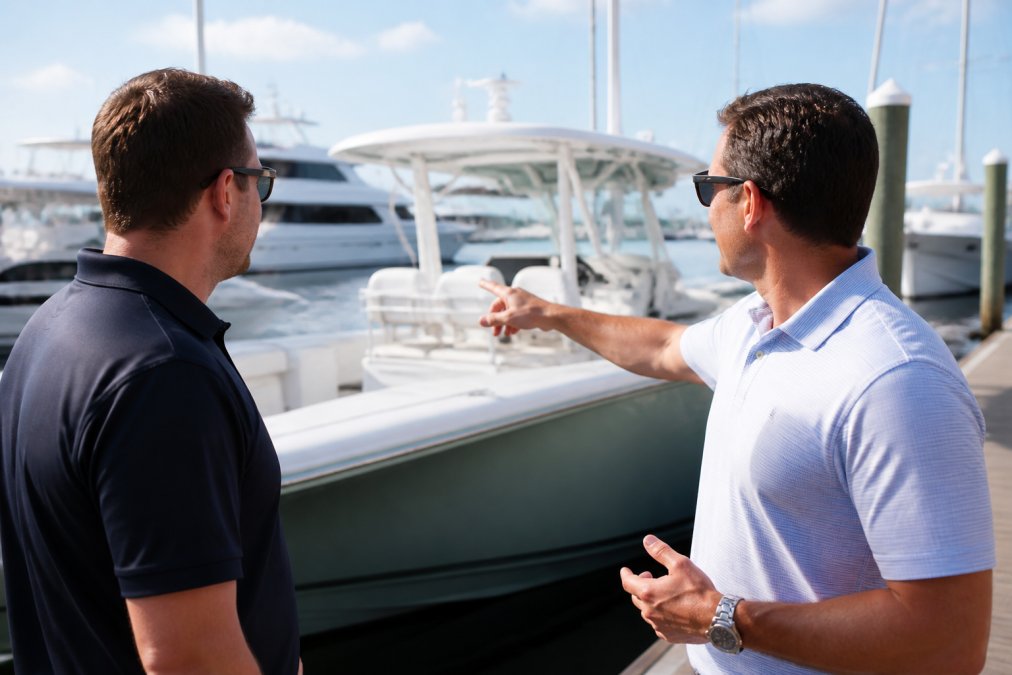
A yacht buyer representative is a licensed professional who advocates exclusively for the purchaser in a vessel transaction, handling everything from initial vessel evaluation through closing. Unlike listing brokers who represent sellers, a buyer's representative works to protect your interests, manage negotiations, and guide you through the complexities of maritime law and purchase documentation.
At Primo Yachts of Palm Beach, we provide expert guidance for those seeking premium vessels. Your representative handles pre-screening vessels against your specifications, coordinates sea trials, reviews survey reports, negotiates pricing, and ensures all closing documentation is legally sound. This specialized role exists because yacht purchases involve unique legal structures, maritime regulations, and technical vessel assessments that require dedicated expertise.
The core value of representation comes from asymmetry. Sellers typically have professional brokers working full-time to move their vessels. Buyers often enter the process without comparable support. A buyer's representative levels that playing field by providing the same level of professional advocacy on your side.
Fiduciary Responsibility and Legal Protection
A licensed buyer's representative operates under fiduciary responsibility, meaning they are legally obligated to prioritize your interests above all others. This distinction matters far more than most buyers realize.
Fiduciary responsibility creates a legal framework where your representative must disclose conflicts of interest, cannot accept undisclosed payments from sellers or third parties, and must act with the care and skill expected of a professional in the maritime industry. If your representative recommends a surveyor, for example, they must disclose any financial relationship with that surveyor. If they advise against a particular vessel, that recommendation must be based on legitimate concerns about condition or value, not hidden incentives.
This protection is particularly important in yacht transactions because the stakes are substantial and the technical knowledge required is specialized. A surveyor might miss structural issues that a trained eye would catch. A purchase agreement might contain clauses that expose you to unexpected liabilities. Maritime law varies by jurisdiction and vessel type (uscg.gov). Your representative's fiduciary duty ensures they catch these issues and advocate for your protection.
When you work with a general broker who represents both buyers and sellers (dual agency), that fiduciary relationship is compromised. Dual agents have competing loyalties. A buyer's representative has only one client: you. This legal distinction translates directly into how aggressively they negotiate, which concerns they prioritize, and what risks they're willing to accept on your behalf.
Understanding Yacht Broker Commission Rates
Yacht broker commissions typically range based on vessel price, market conditions, and the scope of services provided. Commission structures vary significantly across the industry, and understanding how they work protects you from hidden costs and misaligned incentives.
Most yacht brokers operate on commission-only models, earning a percentage of the final sale price. The buyer's representative's commission is typically paid by the seller's proceeds at closing, not by the buyer directly. This structure means you don't pay out-of-pocket commission fees to your representative.
However, commission structure creates an important consideration: your representative's financial incentive is to close the transaction at the highest possible price. This can actually align with your interests if you're buying a vessel that's undervalued. But it also means you need clarity on how your representative is compensated if you're negotiating hard on price. A transparent representative will explain their commission structure upfront and confirm that their obligation is to get you the best possible deal, not simply to close quickly.
Some representatives charge flat fees or hourly rates instead of commission. These models can work well if you want to separate advocacy from transaction incentives, though they're less common in the yacht market. Whatever structure you choose, the key is understanding it completely before you begin the process.
The Yacht Sea Trial Checklist and Vessel Inspection
A sea trial is your opportunity to evaluate how a vessel actually performs under way, separate from how it looks in the slip. Your buyer's representative coordinates this critical step, ensuring the trial includes the specific conditions and assessments relevant to your intended use.
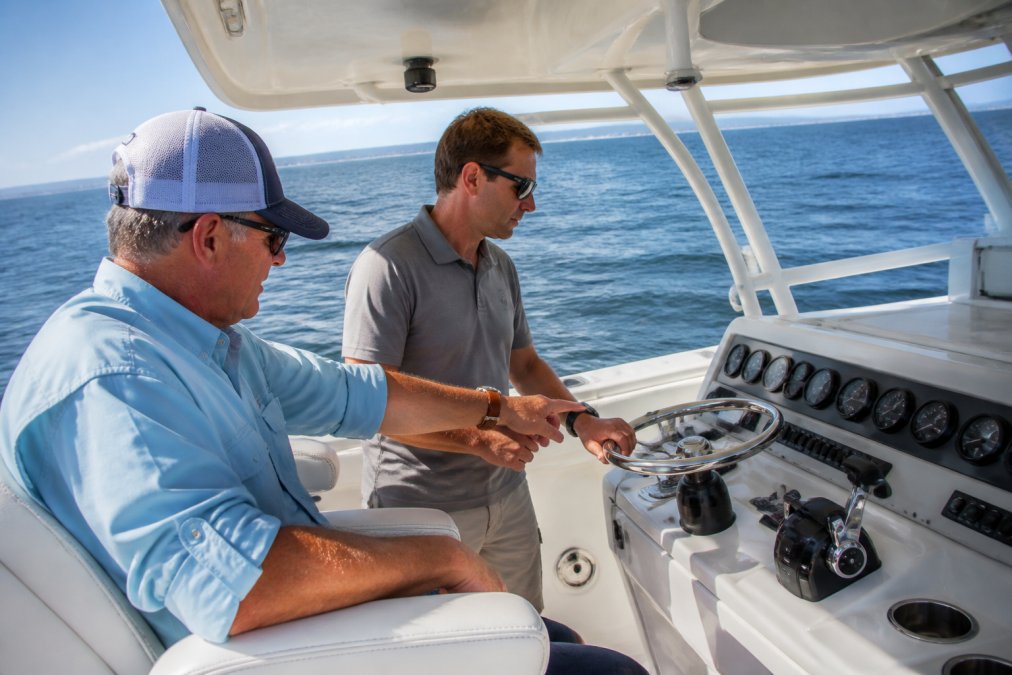
Before the sea trial, your representative should confirm that the vessel's engines are warmed up, all systems are operational, and the seller's captain (if one is present) understands what you're testing. A proper sea trial typically includes:
- Engine performance at various RPM levels, listening for unusual sounds or vibrations
- Fuel consumption and range testing under realistic conditions
- Steering response and handling characteristics in different sea states
- Navigation systems functionality and accuracy
- Electrical systems, including generator performance and battery capacity
- Cooling systems, including raw water intake and overboard discharge
- Bilge pump operation and any signs of water intrusion
- Cabin ventilation and air conditioning performance
- Thruster operation (if equipped) and responsiveness
Your representative should be present during the sea trial to document observations, note any concerns, and ask follow-up questions about maintenance history or past repairs. Many buyers skip this step or treat it as a casual cruise. That's a mistake. A professional sea trial often reveals issues that static inspection misses entirely.
After the sea trial, your representative coordinates the marine survey. A surveyor is a trained professional who conducts a detailed inspection of the hull, engines, systems, and structure. The surveyor's report becomes the foundation for negotiation and your final decision. Your representative reviews the survey findings with you, interprets technical language, and identifies which issues are deal-breakers versus cosmetic concerns that can be negotiated.
Navigating the Yacht Purchase Agreement Process
The purchase agreement is the legal document that defines the terms of the transaction, protects both parties, and creates the framework for closing. Your buyer's representative reviews this document carefully, negotiates terms on your behalf, and ensures nothing in the agreement exposes you to unexpected liability.
A yacht purchase agreement typically includes the vessel description and identification number, purchase price, deposit amount and timeline, inspection and survey contingencies, delivery date, and the condition of the vessel at delivery. It also specifies what equipment and systems are included, what warranty (if any) the seller provides, and how disputes are resolved.
Many purchase agreements include language that can shift risk to the buyer if not carefully negotiated. For example, some agreements state that the buyer accepts the vessel "as-is" after a certain date, meaning the seller is no longer liable for defects discovered after that point. Your representative negotiates the timing of this clause, ensuring you have adequate time for surveys and inspections before the "as-is" date passes.
Another critical element is the deposit structure. Some agreements require deposits that are non-refundable under certain conditions. Your representative ensures that your deposit is refundable if significant defects are discovered during inspection or if the seller cannot deliver the vessel in the condition promised.
The purchase agreement should also address how the vessel will be delivered and in what condition. Will the seller fuel the tank? Will the engines be serviced? Will the buyer take delivery with a professional captain aboard? These details matter because they affect your first days of ownership and can reveal maintenance issues.
Your representative also ensures the agreement includes proper contingencies for financing, survey approval, and insurance. These contingencies protect you if circumstances change between signing and closing.
Red Flags: How to Vet Your Broker
Selecting the right buyer's representative is as important as selecting the vessel. Several warning signs indicate a broker may not be serving your interests effectively.
A broker who pushes you toward a specific vessel without thoroughly understanding your needs is a red flag. A good representative asks detailed questions about your intended use, boating experience, maintenance preferences, and budget constraints. They use that information to narrow the field to vessels that actually match your requirements, not to show you everything in inventory.
Reluctance to discuss commission structure or payment terms is another warning sign. A professional representative explains their compensation model clearly and confirms in writing that they represent only you. If a broker becomes defensive when you ask about how they're paid or who they represent, that's a signal to find someone else.
A representative who discourages independent surveys or inspections is a major red flag. Surveys cost money and take time, and they sometimes reveal problems that complicate the transaction. A broker who suggests you skip a survey or who minimizes the importance of professional inspection is prioritizing speed or avoiding complications over your protection.
Similarly, a broker who pressures you to make an offer quickly, uses urgency language ("Another buyer is interested"), or discourages you from walking away from a problematic vessel is not serving your interests. Legitimate market pressure exists, but a good representative helps you evaluate whether that pressure is real or manufactured.
Be cautious of brokers who have financial relationships with surveyors, mechanics, or other service providers they recommend. These relationships aren't necessarily improper, but they should be disclosed. If a broker gets a referral fee from a surveyor or mechanic, that creates an incentive to recommend them regardless of whether they're the best choice for your situation.
A representative who doesn't understand the specific vessel type you're interested in is a practical red flag. Center console yachts have different considerations than cruising motor yachts. Offshore fishing vessels have different requirements than day-boat designs. A specialist in your vessel category will catch issues that a generalist might miss.
Finally, watch for brokers who don't follow up, miss deadlines, or seem disorganized. Yacht transactions involve multiple parties, tight timelines, and significant documentation. A representative who misses a survey appointment or forgets to file paperwork is creating unnecessary risk and stress.
Post-Purchase Support and Ownership Planning
The relationship with your buyer's representative doesn't end at closing. Many experienced representatives provide post-purchase support, including introductions to qualified mechanics, recommendations for maintenance providers, and guidance on ownership logistics.
Post-purchase support typically includes helping you understand the vessel's systems and maintenance requirements, introducing you to qualified service providers in your area, and advising on initial maintenance priorities. Some vessels arrive at closing with deferred maintenance or minor issues that the survey identified. Your representative can help you prioritize which items to address immediately and which can be scheduled later.
Ownership planning is another valuable service. This includes understanding the tax implications of vessel ownership, exploring financing options if you haven't already secured them, and planning for insurance. A representative familiar with local maritime law and tax considerations can help you structure ownership in a way that makes sense for your situation.
For buyers who plan to use their vessel occasionally or charter it, your representative can advise on the logistics of those arrangements. Chartering a vessel involves specific insurance requirements, maritime law compliance, and operational considerations (imo.org). A representative who understands these aspects can help you set up that arrangement correctly.
Primo Yachts of Palm Beach provides ongoing support as your ownership needs evolve. Whether you're planning a major refit, considering selling in the future, or upgrading to a larger vessel, that continuity of relationship provides value that extends far beyond the initial transaction.
Conclusion
Hiring a yacht buyer representative fundamentally changes how you approach a vessel purchase. Rather than navigating surveys, negotiations, and legal documents alone, you have a professional advocate whose legal obligation is to protect your interests.
The decision to work with a buyer's representative comes down to recognizing that yacht transactions are complex, involve substantial financial commitments, and require specialized knowledge. A qualified representative brings that expertise, handles the technical and legal details, and ensures you understand exactly what you're buying and what you're agreeing to.
At Primo Yachts of Palm Beach, we've guided buyers through hundreds of transactions since 2009. Our approach focuses on understanding your specific needs, vetting vessels thoroughly, and negotiating terms that protect your interests. We handle the complexity so you can focus on finding the right vessel for your boating goals. Contact Primo Yachts of Palm Beach to discuss your next vessel purchase and how specialized representation can make the process clearer, safer, and more successful.
Frequently Asked Questions
Q: What are the primary responsibilities of a yacht buyer representative?
A: A yacht buyer representative advocates exclusively for you during the purchase process. They conduct market analysis to identify suitable vessels, perform due diligence on vessel history and condition, arrange and supervise marine surveys and sea trials, negotiate price and terms on your behalf, review the purchase agreement for legal protections, and coordinate closing documentation. Unlike a listing broker who represents the seller, your representative's fiduciary responsibility is solely to your interests.
Q: How much do yacht brokers typically charge in commissions?
A: Yacht broker commission rates typically range based on vessel type, price point, and market conditions. Commission is typically paid by the seller, not the buyer, so hiring a buyer representative generally costs you nothing directly. Always clarify the commission structure upfront to understand how costs are split between listing and buyer representation.
Q: Do I have to pay a fee to hire a yacht buyer representative?
A: No. In most transactions, the seller pays the brokerage commission, which is split between the listing broker and the buyer's representative. You do not pay out-of-pocket fees for buyer representation. However, you are responsible for costs like marine surveys, sea trial expenses, and maritime attorney fees, which are separate from brokerage commission and are standard closing expenses.
Q: What makes local market expertise critical when buying a center console?
A: Center console yachts have specialized performance requirements, particularly for offshore fishing and coastal conditions. A representative with deep local knowledge understands which vessels handle the specific waters, weather patterns, and fishing grounds in your region. They know which brokers specialize in center consoles, have access to pre-screened inventory, and can advise on maintenance and refit specialists familiar with your vessel type. Generic brokers lack this specialized insight and may steer you toward unsuitable boats.
This article was written using GrandRanker