 ultimate-guide
Preparing Your Yacht for a Major Refit
Table of Contents
- Understand Your Refit Scope and Create a Detailed Worklist
- Conduct a Pre-Refit Survey and Inspection
- Build a Realistic Yacht Refit Cost Estimation
- Develop a Yacht Refit Timeline Planning Strategy
- Create a Yacht Refit Project Management Checklist
- Select a Shipyard and Build Your Contractor Team
- Prepare Your Yacht and Crew for Yard Arrival
- Frequently Asked Questions
Last Updated: October 6, 2026
Understand Your Refit Scope and Create a Detailed Worklist
Preparing your yacht for a major refit starts with clarity on what actually needs to be done. Before you contact a shipyard or request quotes, you need a comprehensive understanding of your vessel's condition and the work required, this separates owners who navigate refits smoothly from those who face surprises, delays, and cost overruns.
Assess Current Vessel Condition
The first task is an honest assessment of your yacht's current state. Walk through systematically: check the hull for soft spots, osmotic blistering, or cracks; through-hull fittings, seacocks, and skin fittings for corrosion or leaks; the engine room for oil seepage, corroded hoses, or deteriorating electrical insulation; and fuel and water tanks for sediment or contamination.
Take photographs and videos as baseline documentation, and record serial numbers, model numbers, and installation dates for major systems, this matters when deciding whether to repair, replace, or upgrade equipment.
Categorize Work by Priority and Type
Not all work is equally urgent. Separate findings into structural and safety work (hull integrity, through-hulls, electrical hazards), mechanical and systems work (engine, transmission, plumbing, HVAC), cosmetic and comfort work (paint, upholstery, cabin finishes), and upgrades (new electronics, propulsion improvements, modernization).
Safety and structural items come first, a soft spot in the hull or corroded through-hull is a liability that must be addressed. Mechanical systems affecting seaworthiness follow.
Within each category, identify dependencies: hull repairs often must finish before interior work starts, engine removal may be needed to access other systems, and electrical upgrades may need to precede new electronics.
Conduct a Pre-Refit Survey and Inspection
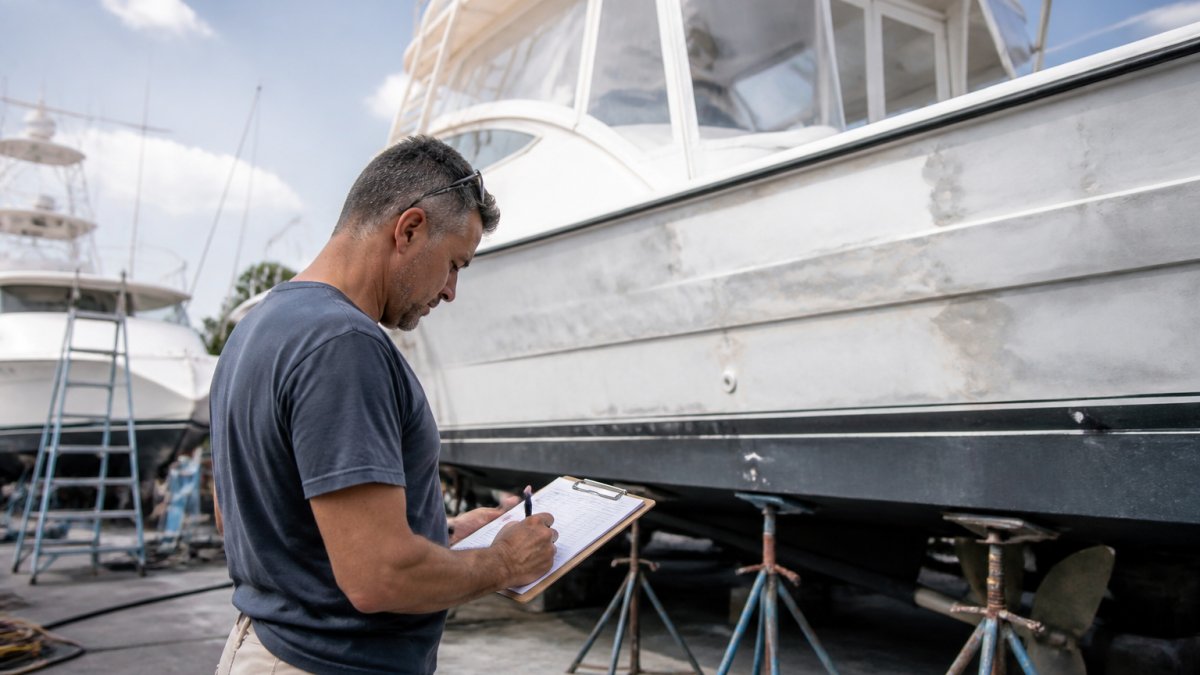
A professional marine survey is not optional, it's the blueprint for your entire refit, identifying issues you'd miss and giving contractors the detail they need to bid accurately.
Hire a Professional Marine Surveyor
Choose a surveyor with refit experience, not just purchase-inspection experience. A purchase survey focuses on current condition and value; a refit survey digs into what needs to be fixed, replaced, or upgraded. Ask about their refit background, systems-upgrade knowledge, and ability to assess structural versus cosmetic repairs.
The surveyor should provide a detailed written report organized by system: hull, deck, cabin structure, engine and propulsion, fuel system, water system, electrical system, plumbing, HVAC, safety equipment, and cosmetics. The report should include photographs, measurements, and specific recommendations, not vague observations.
Document Systems, Hull, and Mechanical Condition
The survey report becomes your worklist foundation. For each issue, the surveyor should specify what's wrong, why it matters, and what fixing it involves.
Request that the surveyor flag items that interact with other systems, replacing an engine might require new mounts, fuel lines, rewiring, and structural reinforcement. This helps you avoid budgeting for one thing and discovering you need five.

Build a Realistic Yacht Refit Cost Estimation
Cost surprises are the biggest source of refit frustration. Owners who build realistic budgets early make better decisions when unexpected issues surface.
Factor Labor, Materials, and Contingency
Refit costs break into labor, materials, and contingency. Labor is often largest, skilled trades like welding, diesel mechanics, and electrical work command premium rates. Material costs vary widely: a new engine costs dramatically more than a rebuild, and new through-hulls far less than new fuel tanks.
Contingency is not optional, refits always reveal hidden problems, like rot in stringers under a cabin sole or corroded exhaust manifolds found only after pulling an engine. Budget 15-25% on top of estimated labor and materials; owners who skip it make poor decisions under pressure or leave work incomplete.
Request Detailed Quotes from Contractors
Don't ask for a single lump-sum quote. Request itemized quotes breaking down labor hours and material costs per work category, so you can see where costs are highest. If one contractor quotes $8,000 for engine work and another $12,000, understand why, scope, labor rates, or parts quality?
Ask whether quotes include parts sourcing, delivery, and testing. Some yards source and mark up parts; others expect you to provide them. Some include sea trials and commissioning; others don't. A clear quote specifies what's included and what costs extra.
Develop a Yacht Refit Timeline Planning Strategy
Timeline is where most refit plans fail. Owners underestimate how long work takes, ignore parts delays, and skip buffer time. A realistic timeline prevents compounding costs and reduces stress.
Map Work Phases and Critical Path Items
Break your refit into phases: preparation and planning, structural and hull work, mechanical and systems work, interior and cosmetic work, testing and commissioning. Some can overlap, cosmetic work can proceed while mechanical work is underway, but others must happen in sequence. You can't paint the cabin sole while workers replace through-hulls underneath.
Identify your critical path: the sequence determining your overall timeline. If an engine rebuild takes 12 weeks and must finish before propulsion testing, it's on the critical path; cabin upholstery that can happen anytime after structural work is not. Focus contingency planning on critical path items.
Build in Time Contingency
Add 20-30% to your estimated timeline. Parts delays happen regularly, a transmission ordered from Europe might take 8 weeks instead of 4, subcontractors get backed up, discovered issues add work, and weather delays exteriors. A 16-week refit budgeted at 20 weeks is realistic; expecting 16 is naive.
Communicate timeline assumptions to your shipyard and contractors upfront, and agree on what happens if work extends beyond the estimate, additional daily fees, scheduling around other contractors. This prevents disputes later.
Create a Yacht Refit Project Management Checklist
The difference between a well-executed refit and a chaotic one often comes down to communication and coordination. A clear project management system keeps everyone aligned.
Pre-Arrival Tasks for Yacht and Crew
Before your yacht reaches the yard: drain and flush all fluid systems (fuel, water, oil, coolant); remove or secure loose items; photograph and document every cabin, system, and fitting; label all electrical panels, sea cocks, and shutoffs; and create a systems manual noting which breaker controls what, valve locations, and how to bleed fuel systems.
Brief your captain and crew on the timeline and their role. Will crew stay aboard? What areas are off-limits? Who can approve changes or additional work? Clear expectations prevent frustration when workers need cabin access or dust and noise disrupt daily life.
Vendor Coordination and Parts Management
Assign one person as parts coordinator to track every component ordered, confirm delivery dates, and verify parts arrive before work is scheduled. A missing part can delay an entire phase; a damaged or incorrect one can add weeks.
Create a spreadsheet tracking major components: what's being replaced, who's supplying it, when it's due, when it must be installed, and who installs it, with vendor contacts and part numbers. This becomes your single source of truth.
Establish a communication protocol: daily or weekly project manager meetings, how change requests are submitted and approved, and who decides when the owner isn't present. This keeps work moving.
Change Order and Quality Control Protocols
Changes will happen, a contractor finds additional rot, you upgrade a system while it's apart, or a better solution emerges. Without a change order process, these decisions create confusion about scope, cost, and timeline.
Require written change orders for any work outside the original scope, specifying what's added, why, the additional cost, and the timeline impact. Both parties sign. This protects everyone.
Establish quality standards upfront: what does "complete" look like for a repainted cabin, or what testing and commissioning a rebuilt engine requires before acceptance? Vague expectations lead to end-of-project disputes.
Select a Shipyard and Build Your Contractor Team
Your shipyard and contractors are as important as your plan. The wrong team can turn a well-planned refit into a nightmare.
Evaluate Shipyard Capability and Experience
Visit potential shipyards in person. Ask about experience with your vessel type and size, a sailboat specialist may lack expertise for a motor yacht, and a yard handling 40-foot center consoles may be overwhelmed by a 65-footer.
Ask about facilities, covered work areas, climate control, modern tools, plus safety record and environmental compliance for fuel disposal, paint waste, and hazardous materials. A professional yard takes these seriously.
Discuss logistics: how the yacht is hauled and supported, how long it stays on the hard, what happens if work extends, and whether you can stay aboard or need accommodations elsewhere.
Vet Subcontractors and Suppliers
Your shipyard will likely use subcontractors for specialized work, diesel mechanics, welders, electricians, upholstery specialists. Ask for references, call previous clients, and ask about quality, reliability, and whether they stayed on budget and timeline.
For major suppliers, engine rebuilders, transmission shops, electronics installers, verify credentials and warranty terms. A rebuilt engine is only as good as the shop that rebuilt it, and electronics only as reliable as the installer's workmanship.
At Primo Yachts of Palm Beach, we've seen refits succeed or fail based on the strength of the contractor team. The best plan means nothing if the people executing it lack skill or accountability.
Prepare Your Yacht and Crew for Yard Arrival
The final preparation phase determines whether your refit starts smoothly or with chaos and delays.
Complete Critical Pre-Arrival Checklist
Two weeks before yard arrival: drain all fluid systems completely, remove or secure loose items that could be lost or damaged during haul-out, and photograph every system, cabin, and fitting. This written record protects you if questions arise later about pre-existing damage.
Confirm all parts are ordered and delivery dates verified, and alert your contractor if critical parts haven't arrived, better two weeks early than the day work is scheduled.
Prepare a handover document for the yard with the surveyor's report, scope of work, timeline, subcontractor contacts, and your change-approval process. Give a copy to your project manager and keep one.
Establish Communication and Oversight Protocols
Decide how you'll stay informed: weekly visits, daily progress reports, and who to contact with questions. A clear communication plan keeps you engaged without micromanaging.
If you can't be present regularly, designate a representative, your captain, a trusted advisor, or a project manager, to visit the yard, approve work, and decide on your behalf.
Preparing your yacht for a major refit is fundamentally about reducing uncertainty. A clear scope, realistic budget, detailed timeline, and strong contractor team transform a refit from anxiety into a manageable project.
A major refit is one of the most significant investments a yacht owner makes.
Frequently Asked Questions
How long does a major yacht refit typically take?
Timeline depends on refit scope, vessel size, and shipyard capacity. Minor refits may take 2-4 months; major structural work, system replacements, and hull restoration typically require 6-12 months or longer. Building contingency time into your yacht refit timeline planning, often 15-20% above the baseline schedule, accounts for unexpected findings during inspection and supply delays. Discuss realistic milestones with your shipyard before committing.
What is the first step in planning a yacht refit?
Define your refit scope by assessing the vessel's current condition and identifying which systems, hull, and mechanical components need attention. Hire a professional marine surveyor to conduct a thorough pre-refit inspection and document findings. This survey becomes your foundation for creating a detailed worklist, obtaining accurate contractor quotes, and building a realistic yacht refit cost estimation. Without this clarity, you risk scope creep and budget overruns.
How do you budget for a major yacht refit project?
Start with detailed quotes from at least three qualified contractors based on your survey findings and scope document. Budget categories include labor, materials, systems upgrades, hull work, and contingency reserves. A realistic yacht refit cost estimation should include 10-20% contingency for unforeseen issues discovered during work. Request itemized quotes, clarify what is and isn't included, and establish change-order procedures to control costs. Avoid underestimating labor hours and material availability, which frequently impact final cost.
What should be included in a yacht refit specification document?
Your specification should list all work items from your worklist, organized by category: hull preparation and fairing, mechanical and systems repairs or upgrades, electrical, plumbing, interior restoration, and any custom modifications. Include performance standards, material grades, brand preferences, and regulatory compliance requirements. Attach survey findings, photos, and contractor quotes. A clear specification reduces misunderstandings, ensures competitive bidding, and gives your project management checklist a measurable baseline for quality control and completion checks.