 how-to
Sell Your Center Console Yacht Fast: 7-Step Guide
Table of Contents
- Prepare Your Center Console Yacht for Sale
- Set a Competitive Asking Price for Fast Sales
- Understand Yacht Broker Commission Rates
- Create High-Quality Listing Photos and Video
- How Long Does It Take to Sell a Yacht
- Market Your Center Console Yacht Effectively
- Prepare Boat Bill of Sale and Title Transfer Documents
- Conduct Sea Trials and Manage Liability
Last Updated: August 9, 2026
Prepare Your Center Console Yacht for Sale
Getting your center console yacht ready to sell isn't just about making it look presentable. The condition of your vessel directly determines how quickly it sells and what price buyers are willing to pay. A well-prepared yacht attracts serious buyers immediately. A neglected one sits on the market for months while your carrying costs pile up.
Start with a professional marine survey. This independent assessment documents the structural integrity of your hull, the condition of your engine and mechanical systems, and any repairs that may be needed. Buyers, especially those purchasing through financing, will require this documentation anyway. Getting ahead of it removes a major barrier to closing the sale.
Professional Detailing and Hull Condition Assessment
Your center console's exterior is the first thing potential buyers see. Professional detailing reveals the true condition of the gel coat, identifies any cracks or soft spots in the hull, and restores the vessel to turnkey condition. This isn't cosmetic work; it's essential preparation that signals to buyers that the vessel has been properly maintained.
Hire a marine detailer who specializes in center consoles. They'll pressure wash the hull, treat the fiberglass, polish the stainless steel hardware, and detail the interior upholstery and electronics suite. The entire process typically takes 2-3 days depending on the size and condition of your boat.
A thorough hull condition assessment identifies any structural issues before they become negotiating points. Look for crazing in the gel coat, soft spots that indicate water intrusion, or cracks that suggest impact damage. These findings should be documented and disclosed, transparency builds buyer confidence and prevents deals from falling apart during the inspection phase.
Gather Maintenance Records and Service History
Documentation of your yacht broker commission rates and service history is one of the most powerful selling tools you have. Buyers want proof that the vessel has been maintained properly. Engine hours, service intervals, and repair records tell a complete story about how well the boat was cared for.
Compile every service record you have: oil changes, filter replacements, impeller service, haul-outs, bottom paint applications, and any major repairs or upgrades. If you've had the engine repowered or the electronics suite upgraded, include those receipts and documentation. If service records are missing, gather what you can from your service providers.
Organize these records chronologically and present them in a clear format. Many buyers will request this documentation before scheduling a sea trial. Having it ready demonstrates professionalism and removes friction from the sales process.
Set a Competitive Asking Price for Fast Sales
Pricing is the single biggest factor determining how quickly your center console yacht sells. Overprice it, and qualified buyers walk away. Underprice it, and you leave money on the table. The goal is finding the price point that attracts multiple serious offers within 30-60 days.
Start by researching comparable vessels in your market. Look at recent sales of similar center consoles with comparable engine hours, equipment, and condition. The National Association of Realtors provides market data, and NADA Guides provides marine valuation data for yachts and powerboats. Your asking price should reflect the current market, not what you paid five years ago.
Depreciation affects center consoles significantly. A 10-year-old center console typically depreciates 3-5% annually depending on condition and market demand. Factor this into your pricing. A boat that's 15 years old with 2,000 engine hours will command a premium over one with 5,000 hours because engine hours directly impact resale value.
Consider the seasonal market. Center consoles sell faster in spring and early summer when buyers are planning their fishing season. If you're selling in winter, expect to either price more aggressively or wait longer for qualified buyers. This is where understanding seasonal timing strategies becomes critical to your sales timeline.
Understand Yacht Broker Commission Rates
If you work with a broker, you'll pay a commission on the final sale price. Commission rates vary, but understanding the structure helps you make an informed decision about whether to work with a brokerage or sell privately.
Most brokers charge between 10-15% commission on the sale price of a center console. This fee covers marketing, buyer exposure, handling the transaction, and managing the closing process. Some brokerages offer tiered rates, lower percentages for higher-priced vessels. Always negotiate commission before signing a listing agreement.
The choice between a direct cash offer from a private buyer and a brokerage sale involves weighing speed against commission costs. A broker brings buyer exposure and handles the transaction management, but you pay a percentage. A private sale avoids commission but requires you to market the vessel and handle negotiations directly.
Create High-Quality Listing Photos and Video
Your listing photos are the gateway to serious buyers. Poor photos kill deals before they start. High-quality images that show the boat's condition, layout, and unique features generate interest and schedule sea trials.
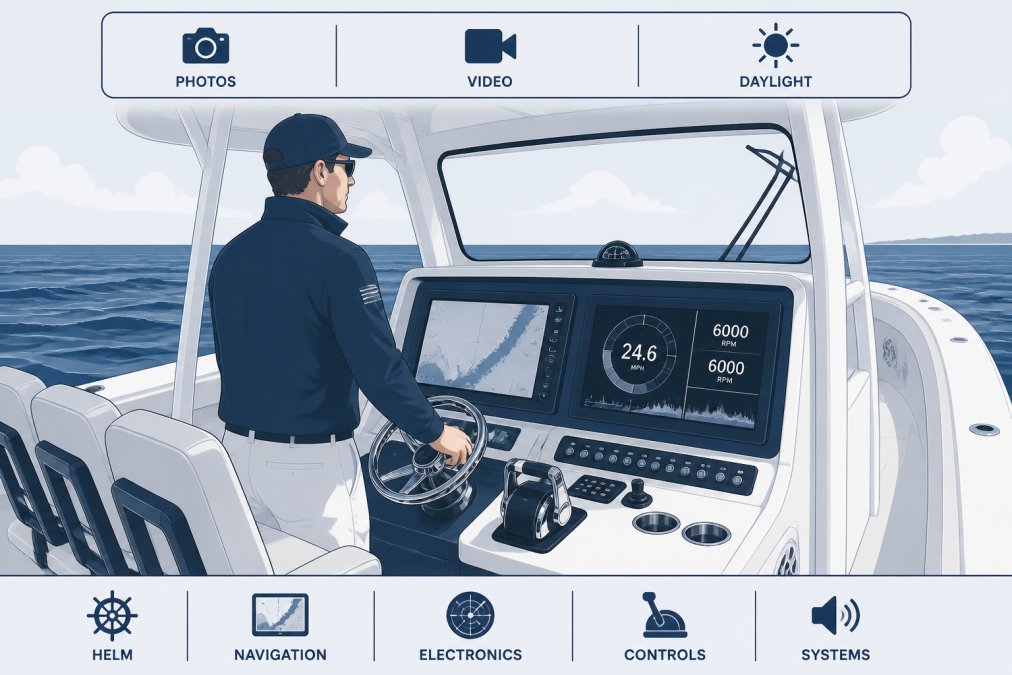
Professional photography should capture the center console from multiple angles: full-boat exterior shots showing the hull profile and deck layout, close-ups of the helm station and electronics, interior cabin shots, engine compartment, and the fishing deck. Shoot during daylight hours with clear skies. Overcast days are actually ideal because they eliminate harsh shadows and show true colors.
Video is increasingly important in the yacht market. A 2-3 minute walkthrough video showing the helm, the electronics suite, the cabin, and the engine compartment gives serious buyers a realistic sense of the vessel before they schedule a sea trial. Buyers who have already seen video are pre-qualified and more likely to close.
Documenting Engine Hours and Electronics Suite
Engine hours are critical documentation. Buyers will ask how many hours are on the main engine and any auxiliary systems. Low hours command premium pricing. High hours require competitive pricing to compensate.
Your electronics suite, GPS, sounder, autopilot, radio systems, should be fully documented. If you've upgraded the electronics recently, highlight this. Modern electronics increase buyer appeal and justify higher pricing. Include the model numbers and installation dates for all major systems.
How Long Does It Take to Sell a Yacht
The timeline for selling a center console depends on several factors: asking price, market conditions, vessel condition, and your willingness to negotiate. A well-priced, well-maintained center console in good condition typically sells within 60-90 days. Overpriced vessels or those needing significant repairs can sit for 6-12 months.
Speed of sale is directly tied to pricing strategy. Aggressive pricing attracts multiple offers quickly. Conservative pricing extends the timeline. There's a trade-off between getting top dollar and getting it sold fast.
Seasonal Timing Strategies
Spring and early summer are peak buying seasons for center consoles. Buyers are planning their fishing season and ready to make decisions. Fall and winter are slower periods. If you're selling in winter, expect either a longer timeline or the need to price more competitively.
Consider your personal situation. If you need to sell quickly, perhaps you're relocating or upgrading, accept that you may need to price below peak market value. If you can wait, list in spring when buyer demand peaks and you can command stronger pricing.
Market Your Center Console Yacht Effectively
Marketing reaches qualified buyers. Your listing photos and video are the foundation, but you also need distribution channels that put your vessel in front of serious purchasers.
Primo Yachts of Palm Beach specializes in marketing center console yachts to buyers actively seeking premium vessels in South Florida. A specialist brokerage has access to qualified buyer networks and understands the specific market for center consoles. General brokerages often lack this specialization.
Digital Marketing and Buyer Exposure
List your center console on major yacht marketplaces: YachtWorld, boats.com, and Craigslist reach serious buyers actively searching. Many brokerages maintain their own websites and buyer networks, which extends your vessel's exposure beyond public listing sites.
Social media marketing reaches niche audiences. Facebook groups dedicated to center console fishing, offshore boating, and South Florida yachting are filled with buyers actively looking for vessels. A single post in the right group can generate multiple inquiries.
Email marketing to past buyers and interested prospects is underutilized by private sellers. If you know other boat owners or captains, a direct email with photos and details can generate serious interest quickly.
Direct Cash Offers vs. Brokerage Sales
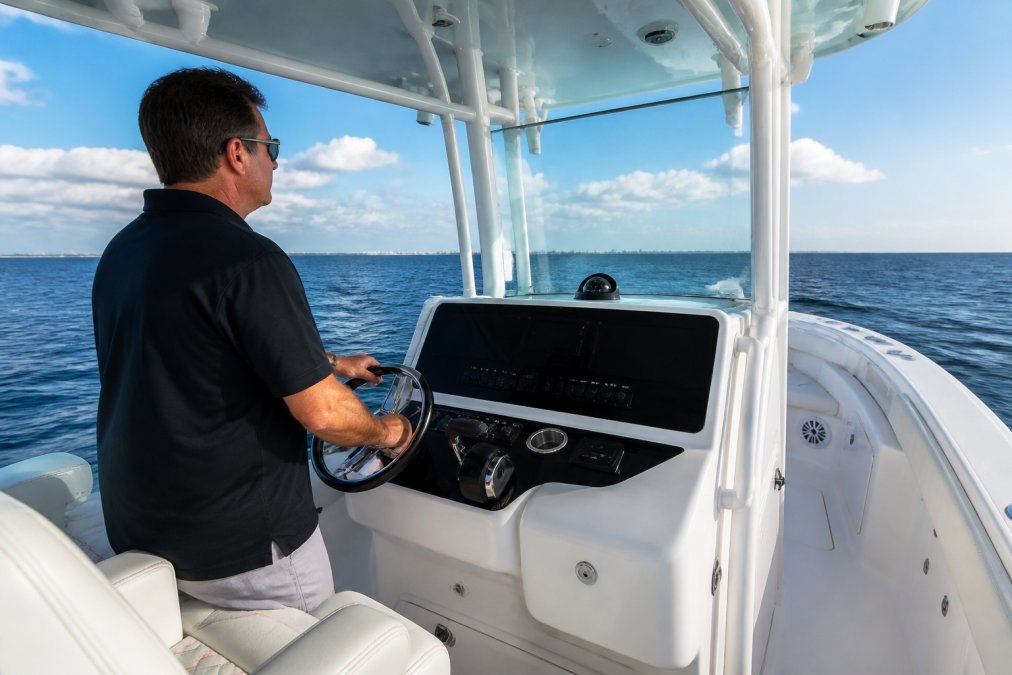
A direct cash offer from a private buyer closes faster and avoids broker commission. However, finding that buyer requires effective marketing on your part. Most private sales happen through personal networks or online marketplaces where you handle negotiations directly.
Brokerage sales involve a broker who markets the vessel, schedules sea trials, and manages the transaction. You pay commission, but the broker brings professional marketing and buyer access. For premium center consoles, a specialist brokerage often generates higher final prices that offset the commission cost.
Prepare Boat Bill of Sale and Title Transfer Documents
The legal paperwork is where many private sales stall. Buyers need clear documentation of ownership transfer, and most lenders require proper title documentation before financing a vessel.
A boat bill of sale documents the transfer of ownership from seller to buyer. It should include the vessel's make, model, hull identification number (HIN), engine serial numbers, the sale price, and the date of sale. Both buyer and seller sign the document.
Your state's marine division requires specific documentation for title transfer. In Florida, the Department of Highway Safety and Motor Vehicles handles vessel registration and title. Contact your state's agency to confirm the exact documents required for your vessel.
Title Transfer and Lien Clearance
Before closing, your lender must release the lien on the vessel. This is non-negotiable. Buyers will not take possession until the title is clear. Contact your lender early in the sales process and confirm the payoff amount and the process for releasing the lien.
If there are any outstanding liens or claims against the vessel, these must be resolved before transfer. A buyer's lender will not finance a vessel with a clouded title. Clear title is essential.
Tax Implications of Boat Sales
The sale of a yacht may have tax implications depending on your personal situation and the sale price. Consult a tax professional to understand your specific obligations. In general, the sale of a personal-use vessel is not subject to federal income tax, but state and local taxes may apply.
If you're selling a vessel that was used for charter or commercial purposes, the tax treatment differs. Depreciation recapture may apply. Work with a tax advisor familiar with marine sales to ensure compliance.
Conduct Sea Trials and Manage Liability
A sea trial is the final step before closing. Serious buyers will want to take the vessel out on the water to test engine performance, handling, and all systems. This is where you demonstrate that the vessel is in the condition you've represented.
Prepare for the sea trial by ensuring all systems are functioning properly. The engine should start easily, run smoothly, and not overheat. All electronics should power on and function. The steering should be responsive. Any unusual noises or behaviors should be addressed before the trial.
During the sea trial, have a captain or experienced operator present. This person can answer technical questions and demonstrate proper operation of the vessel. Their expertise reassures buyers that they're looking at a well-maintained boat.
Liability during the sea trial is a concern. Ensure your insurance covers test drives by potential buyers. Some policies specifically exclude liability during sea trials. Confirm coverage with your insurance provider before allowing buyers to operate the vessel.
Consider requiring buyers to sign a liability waiver before conducting a sea trial. This document acknowledges the risks of operating a marine vessel and limits your liability if something goes wrong during the trial.
Selling your center console yacht fast requires preparation, strategic pricing, and professional marketing. The steps outlined here, from detailing and documentation to pricing and legal preparation, create a foundation for a successful sale. Primo Yachts of Palm Beach has guided South Florida yacht owners through this process since 2009, helping them achieve faster sales and stronger final prices through specialized expertise in the center console market. Get started by scheduling a consultation to discuss your vessel's market value and the fastest path to closing.
Frequently Asked Questions
How can I sell my center console yacht quickly in the current US market?
The fastest path to selling your center console yacht involves three critical steps: professional preparation (detailing, service records, marine survey), competitive pricing based on current market analysis, and strategic marketing through specialized brokers with access to qualified buyer networks. Seasonal timing matters significantly, spring and early summer see higher buyer activity. Working with a broker who specializes in center console vessels ensures your boat reaches serious buyers with the capital and interest to move quickly, rather than general marketplaces where listings compete with unrelated vessel types.
What documents do I need to sell a yacht in the United States?
Essential documents include the original title or certificate of number, a completed bill of sale template, proof of lien clearance from your lender, maintenance and service records, registration documentation, and a marine survey report. You'll also need to provide engine hour records, documentation of any recent upgrades or repairs, and proof of insurance. Some states require additional documentation for trailer registration if your center console includes a trailer. Consult your state's Department of Motor Vehicles for vessel-specific requirements, as rules vary by state.
Do center console boats hold their value compared to other yacht types?
Center console yachts typically hold resale value well, especially premium models from established manufacturers. Factors that preserve depreciation include maintenance history, engine hours, hull condition, and the quality of the electronics suite. Well-maintained center consoles with documented service history and low engine hours command stronger resale prices. However, market demand fluctuates seasonally and by region. South Florida's active fishing and boating market supports stable center console valuations, making it an ideal market for selling.
Should I use a yacht broker to sell my center console boat?
A specialized yacht broker significantly accelerates the sales process by providing access to qualified buyer networks, professional marketing, and expertise in valuation and negotiation. While brokers charge commission, their buyer exposure and market knowledge typically result in faster sales and better final prices than private sales. The key is selecting a broker with documented expertise in center console vessels and a proven track record in your region. General brokers lack the specialized knowledge needed to highlight the specific features and value propositions of center console yachts.
This article was written using GrandRanker