 ultimate-guide
Repowering Luxury Offshore Fishing Yachts: A Complete Guide
Table of Contents
- Why Repowering Makes Sense for Luxury Offshore Fishing Yachts
- Engine Selection and Horsepower Requirements for Offshore Performance
- Choosing the Right Marine Engines for Offshore Fishing
- Hull Compatibility and Structural Modifications
- Marine Engine Repower Cost and Financial Planning
- Repowering vs. Buying a New Yacht
- Resale Value Impact and Insurance Implications
- The Repower Process: Timeline, Maintenance, and Long-Term Reliability
Last Updated: August 12, 2026
Why Repowering Makes Sense for Luxury Offshore Fishing Yachts
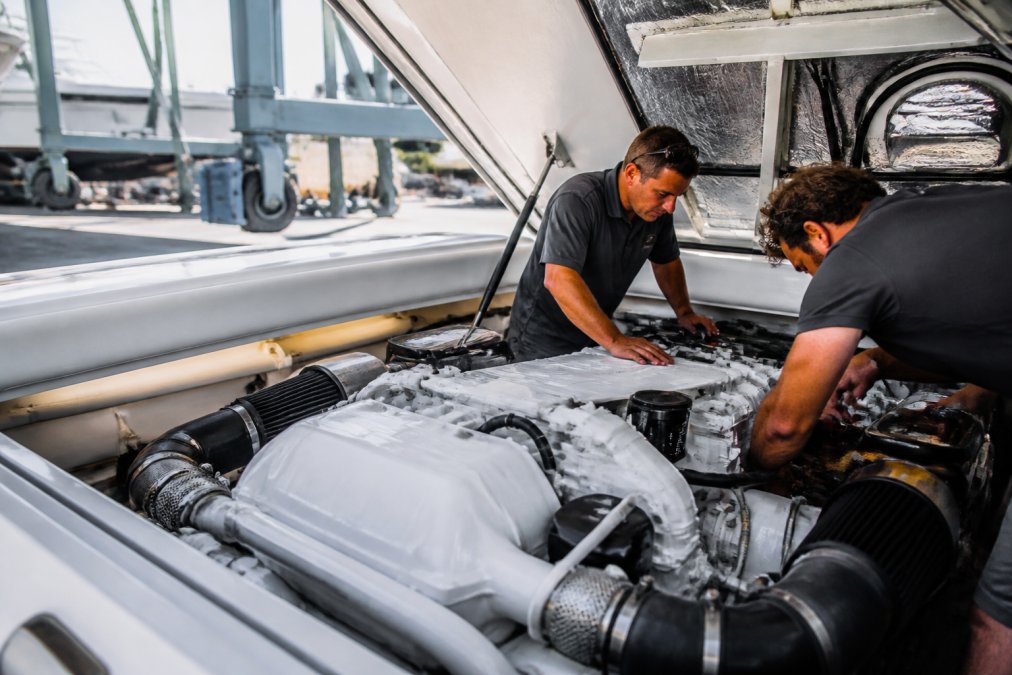
Repowering luxury offshore fishing yachts addresses fundamental performance gaps that aging propulsion systems can't solve: fuel efficiency, throttle response, emissions compliance, and capability in rough offshore conditions. Most yacht owners face this choice around the 15-20 year mark, when original engines consume excessive fuel, struggle to maintain cruising speed in challenging sea states, or fail to meet current environmental standards.
At Primo Yachts of Palm Beach, we provide expert guidance for those seeking premium vessels. The pattern is consistent: owners who repower see dramatic improvements in operational reliability, fuel efficiency, and resale value. A poorly executed repower, however, can create structural stress, electrical integration problems, and performance that never matches expectations. This guide walks through every critical dimension of repowering luxury offshore fishing yachts, from engine selection and hull compatibility through the repower timeline and long-term maintenance protocols.
Engine Selection and Horsepower Requirements for Offshore Performance
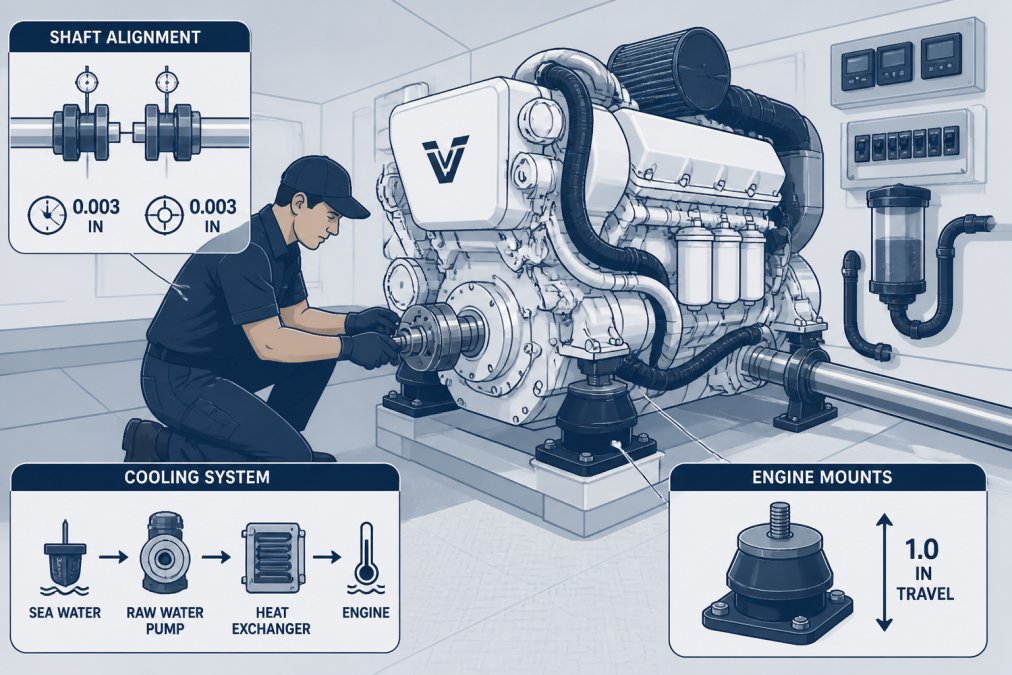
Matching the right MHP to your hull design is where most repower decisions go wrong. Too many owners assume bigger engines automatically mean better performance. In reality, oversized engines create weight distribution problems, excessive fuel burn, and structural stress the transom wasn't designed to handle.
Matching MHP to Hull Design and Cruising Speed
Your hull's length, beam, deadrise angle, and transom construction determine the optimal MHP range. A typical 50-foot center console designed for twin 350 MHP engines performs best in that configuration. Twin 450 MHP engines don't make it faster; they create bow rise, poor weight distribution, and fuel consumption that jumps 30-40%.
Start with your original engine specifications and your target cruising speed. Most offshore fishing yachts cruise efficiently at 25-35 knots. A marine surveyor can evaluate your hull's current condition and recommend the appropriate MHP range. Electronic control units on modern engines make throttle response sharper and cruising more efficient, reducing fuel burn and engine stress over long offshore runs.
Marine Diesel vs. Gasoline Propulsion Systems
Marine diesel engines dominate offshore fishing because they burn roughly 30-40% less fuel than comparable gasoline engines at the same cruising speed. Over a season of regular offshore fishing, that difference translates to thousands of dollars. Diesel engines also handle weight distribution better on larger vessels and deliver superior torque characteristics essential for rough seas.
Choosing the Right Marine Engines for Offshore Fishing
The specific engine model, manufacturer, and generation shapes everything downstream: maintenance costs, parts availability, warranty support, and integration complexity.
Displacement, Torque, and Throttle Response
Displacement measured in liters directly correlates with torque output and fuel efficiency. A 6.7-liter diesel produces significantly more torque at lower RPM than a 5.7-liter engine. For offshore fishing, torque at mid-range RPM (1,800-2,400) is more valuable than peak horsepower. An engine with strong mid-range torque holds cruising speed in 4-foot seas without constant throttle adjustment.
Throttle response, how quickly the engine responds to throttle input, depends on the electronic control unit and fuel injection system. Modern marine diesels with advanced ECUs deliver instantaneous response, critical when navigating through inlets or maneuvering in tight anchorages.
Electronic Control Units and Modern Emissions Compliance
Electronic control units manage fuel injection timing, boost pressure, and exhaust gas recirculation, optimizing fuel burn continuously based on load, sea state, and throttle position. The EPA Tier 4 Final standard applies to marine engines manufactured after 2016. If you're repowering with engines from 2016 or later, you're compliant. Over the life of the engines, modern ECU optimization saves tens of thousands in fuel costs.
Hull Compatibility and Structural Modifications
The hull must physically support the new engines without structural failure.
Transom Reinforcement and Engine Mount Assessment
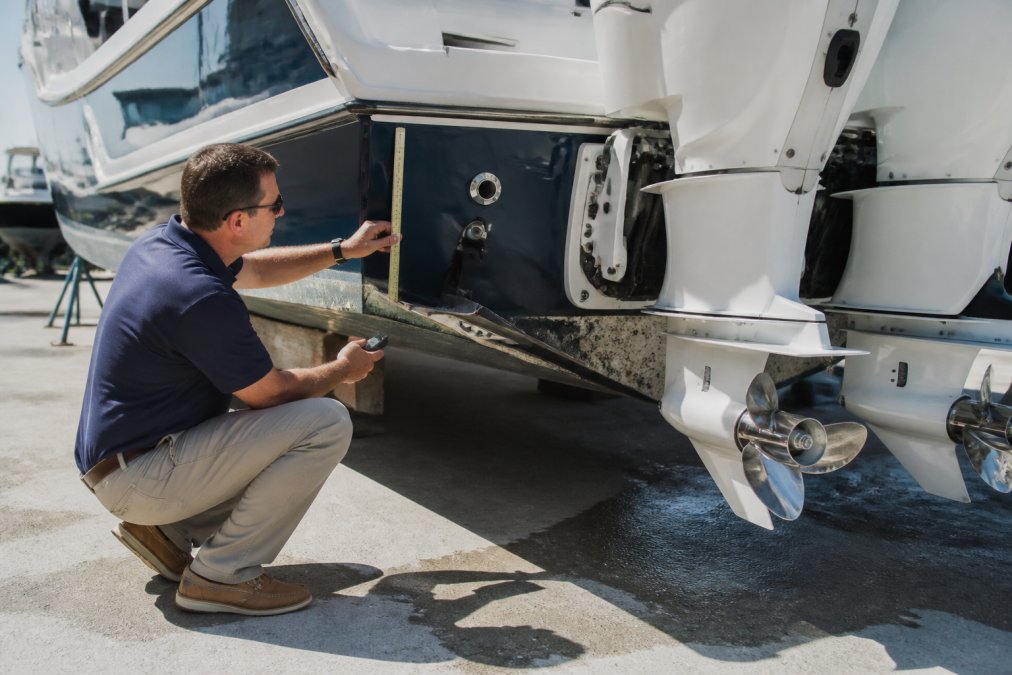
Twin diesel engines can weigh 2,000+ pounds each. Add fuel, cooling systems, and exhaust, and you're asking the transom to support over 5,000 pounds of dynamic load while the yacht pounds through rough seas. A marine surveyor inspects the transom for cracks, delamination, and structural integrity. If there's existing damage or the new engines exceed the original design load, the transom requires structural rebuilding.
Engine mounts isolate vibration and absorb shock loads. During a repower, marine engineers install new mounts engineered for the specific engine weight and displacement.
Weight Distribution and Center of Gravity
Moving from twin 350 MHP engines to twin 450 MHP engines shifts weight aft by several hundred pounds, changing the yacht's center of gravity and trim characteristics. A naval architect calculates the new weight distribution and recommends ballast adjustments. Correct weight distribution prevents performance issues like porpoising or bow-rise.
Marine Engine Repower Cost and Financial Planning
Full Repower vs. Engine Rebuild Economics
A full repower means removing the original engines and installing new ones. An engine rebuild restores the original engines to like-new condition at 40-60% of a new engine's cost. For engines with 2,000-3,000 operating hours and no major damage, a rebuild extends service life another 2,000-3,000 hours reliably.
The decision hinges on age, operating hours, and your ownership timeline. If you plan to own the yacht for 5+ more years and fish 200+ days annually, a full repower makes financial sense. New engines come with warranties, better fuel economy, and lower maintenance costs. Full repowers also address emissions compliance and modern electronics integration that a rebuild cannot match.
System Integration and Electrical Upgrades
New marine engines require compatible fuel systems, cooling systems, and electrical infrastructure. The original fuel tanks might not supply the new engines at their rated flow rate. The cooling system might be undersized for the new engines' heat rejection. Electrical upgrades add battery capacity, charging systems, and distribution panels to support modern electronics. These integrations are essential for reliable performance.
Hull Compatibility and Resale Value Impact
A well-executed repower increases resale value, with the investment typically recovering 60-75% of its cost in increased resale value. A poorly executed repower, with mismatched engines or inadequate structural modifications, actually reduces value. Document every aspect of the repower: engineering drawings, installation photos, sea trial results, and warranty information. This documentation proves the work was done properly and substantially increases the yacht's appeal to potential buyers and insurers.
The Repower Process: Timeline, Maintenance, and Long-Term Reliability
A full repower isn't a weekend project. Understanding the timeline, maintenance protocols, and what to expect during and after the process prevents surprises.
Sea Trials and Performance Verification
After the engines are installed and all systems integrated, the yacht undergoes sea trials. This systematic evaluation includes running each engine independently at idle, cruise RPM, and wide-open throttle. Engineers measure fuel consumption, cooling system temperature, and exhaust gas temperatures. They verify throttle response, gear shift timing, and alarm systems.
A proper sea trial takes 4-6 hours minimum in controlled conditions to isolate engine performance from sea state variables. The trial confirms that the repower achieved its performance targets: target cruising speed, fuel consumption within specification, and all systems functioning correctly. Record fuel consumption at various cruising speeds, engine temperatures, and electrical system behavior as baseline data for detecting future problems.
Preventative Maintenance and Fuel Burn Optimization
New marine engines require a break-in period of 50-100 operating hours at moderate throttle with varying RPM. After break-in, establish a preventative maintenance schedule: oil and filter changes every 250-500 operating hours, fuel filter changes every 500 hours, and coolant system inspections annually.
Most marine diesels are most efficient at 65-75% maximum RPM. For offshore fishing, the sweet spot is typically 2,200-2,400 RPM on modern marine diesels, where you cruise at 25-32 knots depending on sea state with economical fuel consumption. The engines operate in their most reliable range, with minimal wear and maximum component lifespan.
Repowering luxury offshore fishing yachts is a substantial investment, but a properly executed repower extends the yacht's operational life, dramatically improves fuel efficiency, and delivers modern performance that aging engines cannot match. When done right, the yacht performs like a newer vessel while preserving the hull and layout you know and trust. Primo Yachts of Palm Beach can connect you with marine engineers and surveyors who understand the specific demands of offshore fishing yachts and can guide your repower from initial planning through sea trials and beyond.
Frequently Asked Questions
Does repowering a luxury yacht increase its resale value?
Repowering can significantly enhance resale value when the new engines improve performance, fuel efficiency, and reliability. Modern marine diesel engines with updated electronic control units appeal to buyers seeking reduced fuel burn and lower maintenance costs. However, resale value depends on the quality of the repower work, the reputation of the builder, and market demand for that specific hull type. A professional marine surveyor's report on the new propulsion system helps justify premium pricing to prospective buyers.
What is the marine engine repower cost for an offshore fishing vessel?
Marine engine repower cost varies widely based on engine displacement, horsepower requirements, hull size, and the extent of system integration needed. Full repower projects that include new engines, exhaust systems, cooling systems, and electrical upgrades typically represent a substantial investment. Custom fabrication work, transom reinforcement, and shaft alignment adjustments add to the total. For accurate pricing on your specific vessel, consult with a specialist repower service that can assess your hull compatibility and propulsion goals.
What factors determine if a yacht is a good candidate for an engine repower?
A yacht is a strong repower candidate if the hull structure is sound, the transom can support new engine mounts without major reinforcement, and the engine room has adequate space for modern propulsion systems. Older vessels with outdated engines that consume excessive fuel or require frequent maintenance often benefit most from repowering. Consider whether the existing hull design suits your desired cruising speed and offshore fishing performance. A marine surveyor can evaluate weight distribution, center of gravity, and structural integrity to confirm feasibility.
How long does the repowering process take for a custom sportfish?
Repowering timelines typically range from several weeks to several months, depending on the complexity of the project and supply chain lead times for specialized marine components. Custom fabrication work, shaft alignment, cooling system installation, and electronic control unit integration extend the schedule. Sea trials and performance verification add additional time. Supply chain and lead time management for marine diesel engines and drivetrain components can significantly impact your overall project timeline, so plan accordingly.
This article was written using GrandRanker