 ultimate-guide
Offshore Fishing Boat Electronics Guide 2026
Table of Contents
- Essential Offshore Fishing Boat Electronics
- Choosing the Right Transducer for Deep Water
- Marine Electronics Integration Best Practices
- Cost of Refitting Boat Electronics
- System Durability and Environmental Ratings
- Upgrading Legacy Systems and Firmware
- Interoperability Troubleshooting
- Conclusion
- Frequently Asked Questions
Last Updated: September 4, 2026
Essential Offshore Fishing Boat Electronics
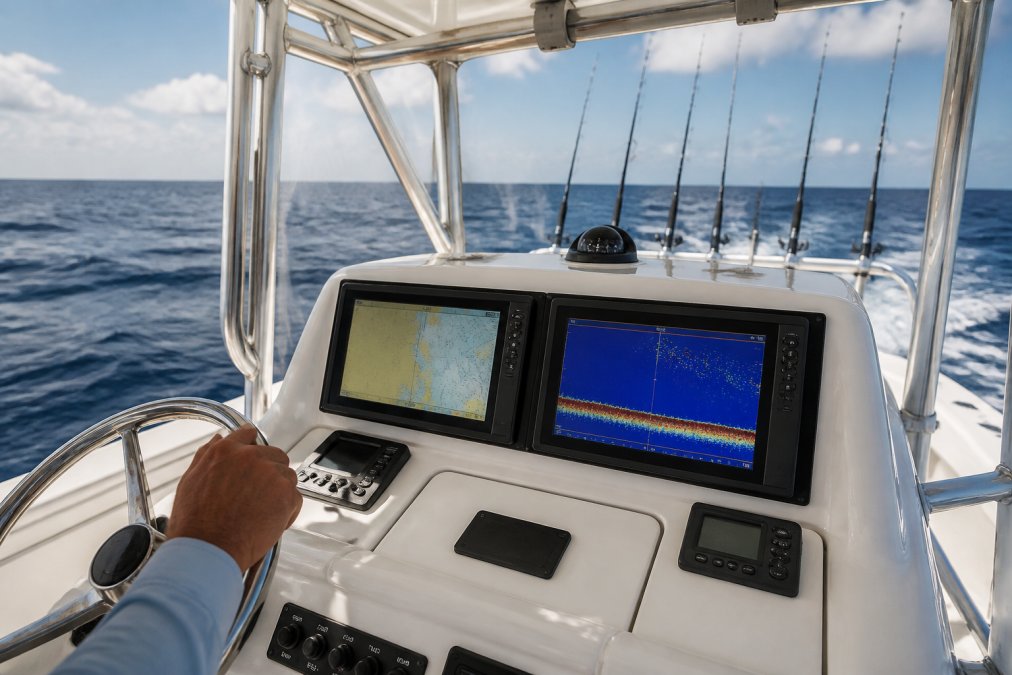
An offshore fishing boat electronics guide 2026 must prioritize system integration over individual components. A well-designed offshore fishing boat electronics suite combines sonar, navigation, and networking into a single cohesive operation. The core of any modern setup is the multifunction display, which consolidates data from several sources. Building a system around a single manufacturer's ecosystem simplifies installation and troubleshooting considerably. Below, we will show you exactly how to select transducers, integrate networking, and manage power so your electronics perform when you are miles offshore.
Fish Finder and Sonar Systems
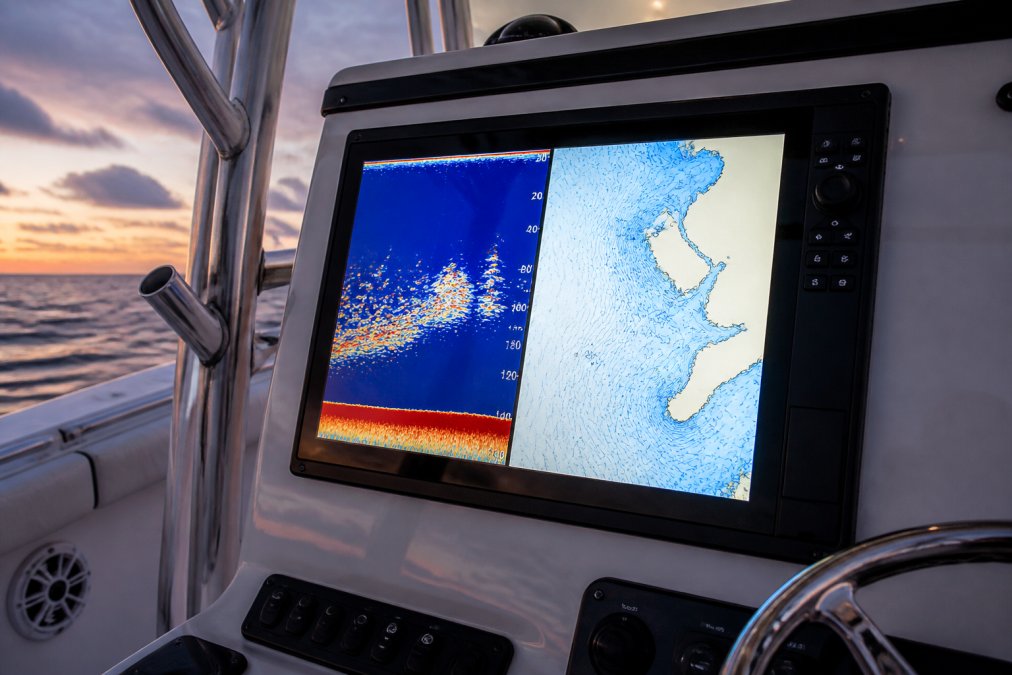
The fish finder is the primary tool for locating structure and bait, making it the most-used piece of gear on a fishing boat. Modern units offer several sonar technologies, each with a distinct purpose. CHIRP sonar transmits a sweep of frequencies to improve target separation, while side-scan and down-scan imaging provide detailed pictures of the seafloor and surrounding water column (peer-reviewed research).
For offshore fishing, a unit with high CHIRP power and a quality transducer will outperform a larger screen with weaker sonar. The transducer is the part of the system that actually sends and receives sound waves, so it determines the quality of your data more than the display does.
Chartplotter and GPS Navigation
A chartplotter with accurate GPS navigation is non-negotiable for offshore runs. Look for a display with high screen resolution and a fast refresh rate, as this makes reading charts and waypoints easier in rough conditions. Units with built-in coastal charts and support for satellite imagery give you a clearer picture of bottom contours and drop-offs.
GPS accuracy on modern chartplotters is excellent, but the antenna placement still matters. A clear view of the sky, away from tall structures on the console, prevents signal loss. Many captains prefer a dedicated external GPS antenna for the most reliable position data when running at speed.
Radar and Weather Receivers
Radar extends your awareness beyond visual range, which is critical when squalls build quickly offshore. Solid-state radar units are compact, draw less power, and warm up instantly compared to older magnetron models. For a center console, a dome-style radar mounted on a hardtop or T-top provides a good balance of performance and aesthetics.
Weather receivers pull in real-time data on wind, precipitation, and barometric pressure. Pairing radar with a weather receiver lets you monitor approaching fronts and make informed decisions about heading back to port. These systems are most valuable during long trips where conditions can change faster than forecasts predict.
Choosing the Right Transducer for Deep Water
Selecting the right transducer for deep water is the single most impactful upgrade you can make to your fish finder. The transducer must match your sonar unit and your fishing style to deliver reliable readings at depth. A mismatched transducer will produce weak signals and poor bottom lock, regardless of how advanced your display is.
The 2026 marine electronics landscape offers many transducer options, from simple single-frequency models to advanced multi-band CHIRP units. The choice depends on how you fish and the depths you typically target. For offshore grounds, you need a transducer capable of reaching the bottom in water from 100 to over 1,000 feet deep.
Transducer Types and Frequency Selection
Transducer frequencies determine how the sonar beam behaves in the water. Low frequencies, around 50 kHz, have a wide beam that reaches deep but offers less detail (noaa.gov). High frequencies, around 200 kHz, provide sharper images but do not penetrate as deep. CHIRP technology combines a range of frequencies to get the best of both, offering deep penetration with clear target separation.
For deep-water offshore fishing, a CHIRP transducer that operates in the low-to-mid frequency range is the standard choice. This setup lets you see bottom structure and fish at depths beyond the reach of high-frequency-only units.
Beam Width and Target Separation
Beam width controls the area of the seafloor your sonar covers. A wide beam covers more ground, which helps you find structure, while a narrow beam provides better detail on a specific target. Target separation, the ability to distinguish two objects close together, improves with higher frequencies and cleaner signals.
Many modern transducers offer multiple beams, letting you switch between wide coverage and detailed views. A transducer with both a wide 50 kHz beam and a narrow 200 kHz beam gives you flexibility for different fishing situations, from trolling over flats to dropping on deep wrecks.
Marine Electronics Integration Best Practices
Marine electronics integration best practices have shifted toward a fully networked boat where every display shares data. The marine networking standard that makes this possible is NMEA 2000, a protocol that allows devices from different manufacturers to communicate. Following these integration best practices reduces wiring, simplifies installation, and gives you a single source of truth for navigation data.
When planning your system, decide which data you want to share across displays. GPS position, depth, speed, and engine data are the most common. Sharing this data means you only need one source for each type, which cuts down on redundant sensors and antennas.
NMEA 2000 Networking and Data Sharing
NMEA 2000 is a plug-and-play network designed specifically for marine electronics (nmea.org). It carries data between your chartplotter, fish finder, radar, instruments, and even your engine. The network uses a backbone cable with drop cables for each device, making it straightforward to add or remove components.
A key benefit of NMEA 2000 is that it lets you share waypoints and routes between displays. If you mark a productive spot on the display at the helm, a second display at the tower can access the same waypoint instantly. This data sharing is invaluable when fishing with a crew spread across the boat.
Multifunction Display Setup
The multifunction display, or MFD, is the command center of your electronics suite. A single large MFD can show sonar, charts, radar, and engine data simultaneously through split-screen views. For boats with a tower, a second display at the upper station keeps all critical data visible without needing a full duplicate system.
Setup involves assigning data sources to each display and configuring alarms for depth, temperature, and waypoint arrival. Take time to customize the screens for how you fish. A cluttered display with too much information is harder to read at a glance than a clean layout showing only essential data.
Cost of Refitting Boat Electronics
The cost of refitting boat electronics varies widely based on the scope of work and the quality of the gear. A basic upgrade, replacing a single display and transducer, is far less involved than a full system overhaul with radar, multiple displays, and a network backbone. Getting accurate pricing requires a detailed plan of your existing setup and your goals.
A common mistake is budgeting only for the equipment and forgetting the supporting items. Cabling, mounting hardware, adapters, and labor for installation can add significantly to the total. For a premium vessel, investing in quality installation protects your electronics from the vibration and moisture of offshore running.
DIY vs. Professional Installation
Deciding between DIY vs. professional installation comes down to your skill level and the complexity of the system. Replacing a single display with a like-for-like model is a manageable weekend project for many owners. Running a full NMEA 2000 network, installing a radar on a hardtop, and integrating engine data requires more specialized knowledge.
Professional installation offers several advantages beyond convenience. Experienced technicians ensure proper voltage supply, clean cable routing, and correct network termination. They also handle firmware updates and system testing, which reduces the risk of intermittent issues that are difficult to diagnose later.
Power Consumption and Battery Requirements
Every electronic device on your boat draws power, and the cumulative load can strain your electrical system. A large MFD, radar, and amplifier for tower speakers can draw significant current, especially with the engine off. Understanding your power consumption is essential to avoid draining your batteries while anchored or trolling.
Voltage stability is critical for sensitive electronics. If the voltage drops too low, displays can reset and sonar performance suffers. Before adding new gear, calculate the total amperage draw and verify your house battery bank and charging system can handle the load. Upgrading to a larger alternator or adding a dedicated electronics battery may be necessary.
System Durability and Environmental Ratings
Marine electronics face constant exposure to salt spray, UV radiation, and temperature extremes. Environmental durability ratings tell you how well a device is sealed against the elements. The most common rating is the IP code, where the second digit indicates water resistance. For electronics mounted in exposed areas, a rating of IPX6 or IPX7 is the minimum you should accept.
Look for displays designed for direct sunlight with high brightness and anti-glare coatings. A screen that is hard to read in bright conditions is a safety hazard when you are running at speed. Similarly, check that all connectors and cable glands are marine-grade to prevent corrosion.
Upgrading Legacy Systems and Firmware
Many boats running older electronics still have capable hardware that suffers from outdated software. Before replacing a legacy system, check whether the manufacturer offers firmware updates. Upgrading legacy systems and firmware can improve performance, add features, and fix bugs without the cost of new hardware.
Firmware updates are a routine part of owning modern marine electronics. Manufacturers regularly release updates that enhance sonar processing, improve GPS accuracy, and add support for new chart formats. Keeping your system current ensures you get the best performance from your investment.
If you are replacing a legacy system entirely, pay attention to compatibility. An older transducer may not work with a new display, requiring you to swap both components. Plan for these costs when budgeting for an upgrade.
Interoperability Troubleshooting
Interoperability troubleshooting is the process of getting devices from different manufacturers to work together seamlessly. Even with NMEA 2000, you can encounter issues where data is not displayed or devices do not respond. Most problems trace back to network configuration rather than faulty hardware.
Start by checking the network power supply. An NMEA 2000 network needs a dedicated power source, typically connected at the middle of the backbone. Incorrect termination or a lack of a dedicated power tap causes communication errors. Ensure the network has terminators installed at both ends of the backbone.
A structured approach to troubleshooting saves hours of frustration. Check the physical connections first, then verify power, and finally confirm that each device is sending data on the correct NMEA 2000 PGN. The table below summarizes common issues and their fixes.
| Common Issue | Likely Cause | Recommended Fix |
|---|---|---|
| Device not detected | Loose drop cable | Reseat the connector |
| Intermittent data loss | Missing network terminator | Install 120-ohm terminators |
| No data on display | Incorrect data source assignment | Reassign source in MFD settings |
| Devices not talking | Dedicated power tap missing | Add power to the network backbone |
| Slow refresh rate | Network traffic overload | Reduce polling rate or segment network |
Wireless connectivity is becoming more common, with displays able to share data to tablets and phones. While convenient, wireless connections can introduce latency and dropouts. For critical navigation data, always rely on the wired NMEA 2000 network. Use wireless for monitoring and planning rather than primary navigation.
Conclusion
Outfitting a boat for offshore fishing requires more than buying the most expensive display on the shelf. The best offshore fishing boat electronics setup is a balanced system where the transducer, chartplotter, and network work together reliably. Focus on integration, power management, and durability, and your electronics will serve you well for years.
Planning a full electronics refit or a new build for your center console? At Primo Yachts of Palm Beach, we specialize in premium vessels and can guide you through the outfitting process. Our team combines brokerage expertise with hands-on knowledge of the fishing market to help you select and equip the right boat. Contact Primo Yachts of Palm Beach to discuss your next offshore fishing vessel.
Frequently Asked Questions
What are the essential electronics for offshore fishing in 2026?
Modern offshore fishing boats require a fish finder with CHIRP sonar technology, a GPS chartplotter for navigation, and radar for weather and target detection. These systems should integrate through NMEA 2000 networking to share data across a multifunction display. A weather receiver provides real-time marine forecasts, while a depth sounder monitors water conditions. Together, these offshore fishing boat electronics create a complete navigation and fishing package for deep-sea operations.
How do I choose the right transducer for deep water?
Deep water transducers require higher frequencies (typically 200 kHz) for better target separation and beam width control. Select a transducer rated for your maximum depth and mounting location, through-hull models offer superior performance but may require professional installation. Consider CHIRP-capable transducers for improved sonar clarity. Verify the transducer's waterproof rating matches your offshore environment. Consult with installation specialists about compatibility with your existing fish finder to ensure proper data sharing.
Are integrated marine electronics systems worth the investment?
Yes. Integrated systems reduce installation complexity, improve data sharing through NMEA 2000 networking, and simplify user interface management. A multifunction display consolidates chartplotter, fish finder, radar, and autopilot functions, reducing console clutter and cabling requirements. However, integration costs more upfront than standalone units. The value lies in reliability, easier firmware updates, and seamless system performance during offshore operations. Professional installation can help ensure proper voltage stability and prevent interoperability troubleshooting later.
What is the latest radar technology for offshore fishing boats?
Modern marine radar systems use solid-state technology with improved refresh rates and screen resolution compared to older models. CHIRP radar variants offer better target detection in poor weather. Current systems integrate with chartplotters and autopilot through NMEA 2000, displaying weather patterns, other vessels, and navigation waypoints on a single multifunction display. Advanced models feature reduced power consumption and wireless connectivity options, though traditional hardwired installations remain more reliable for offshore use.
How often should I upgrade my boat's navigation and sonar equipment?
Firmware updates should be applied annually or as released by manufacturers to improve performance and security. Hardware upgrades depend on technology advances and equipment reliability. Most fish finders and chartplotters remain functional for 7-10 years, but newer CHIRP sonar and higher-resolution screens offer significant fishing advantages. If your system lacks NMEA 2000 integration or shows compatibility issues with new equipment, upgrading may improve overall system performance and data sharing capabilities.
What power consumption should I expect from offshore fishing electronics?
Typical offshore fishing electronics consume 15-50 amps depending on configuration. Fish finders draw 5-15 amps, chartplotters 3-8 amps, radar 8-20 amps, and autopilot 5-15 amps. A multifunction display consolidates power draw compared to standalone units. Ensure your boat's electrical system maintains voltage stability under full load, most marine electronics require 10.5-16 volts DC. Battery capacity should support continuous operation; many offshore boats use dual battery banks with isolators. Professional installation can help verify proper cabling and voltage regulation.
Can I install marine electronics myself, or do I need professional help?
DIY installation is possible for straightforward units like portable fish finders, but permanent offshore installations often benefit from professional expertise. Proper mounting, cabling, transducer installation, and NMEA 2000 networking demand specialized knowledge to avoid voltage stability problems and interoperability issues. Professional installers can ensure waterproof connections, correct grounding, and firmware configuration. The cost of refitting boat electronics professionally is often justified by reliability, warranty support, and troubleshooting assistance during offshore operations.
This article was written using GrandRanker
Frequently Asked Questions
Q: What are the essential electronics for offshore fishing in 2026?
A: Modern offshore fishing boats require a fish finder with CHIRP sonar technology, a GPS chartplotter for navigation, and radar for weather and target detection. These systems should integrate through NMEA 2000 networking to share data across a multifunction display. A weather receiver provides real-time marine forecasts, while a depth sounder monitors water conditions. Together, these offshore fishing boat electronics create a complete navigation and fishing package for deep-sea operations.
Q: How do I choose the right transducer for deep water?
A: Deep water transducers require higher frequencies (typically 200 kHz) for better target separation and beam width control. Select a transducer rated for your maximum depth and mounting location—through-hull models offer superior performance but may require professional installation. Consider CHIRP-capable transducers for improved sonar clarity. Verify the transducer's waterproof rating matches your offshore environment. Consult with installation specialists about compatibility with your existing fish finder to ensure proper data sharing.
Q: Are integrated marine electronics systems worth the investment?
A: Yes. Integrated systems reduce installation complexity, improve data sharing through NMEA 2000 networking, and simplify user interface management. A multifunction display consolidates chartplotter, fish finder, radar, and autopilot functions, reducing console clutter and cabling requirements. However, integration costs more upfront than standalone units. The value lies in reliability, easier firmware updates, and seamless system performance during offshore operations. Professional installation can help ensure proper voltage stability and prevent interoperability troubleshooting later.
Q: What is the latest radar technology for offshore fishing boats?
A: Modern marine radar systems use solid-state technology with improved refresh rates and screen resolution compared to older models. CHIRP radar variants offer better target detection in poor weather. Current systems integrate with chartplotters and autopilot through NMEA 2000, displaying weather patterns, other vessels, and navigation waypoints on a single multifunction display. Advanced models feature reduced power consumption and wireless connectivity options, though traditional hardwired installations remain more reliable for offshore use.
Q: How often should I upgrade my boat's navigation and sonar equipment?
A: Firmware updates should be applied annually or as released by manufacturers to improve performance and security. Hardware upgrades depend on technology advances and equipment reliability. Most fish finders and chartplotters remain functional for 7-10 years, but newer CHIRP sonar and higher-resolution screens offer significant fishing advantages. If your system lacks NMEA 2000 integration or shows compatibility issues with new equipment, upgrading may improve overall system performance and data sharing capabilities.
Q: What power consumption should I expect from offshore fishing electronics?
A: Typical offshore fishing electronics consume 15-50 amps depending on configuration. Fish finders draw 5-15 amps, chartplotters 3-8 amps, radar 8-20 amps, and autopilot 5-15 amps. A multifunction display consolidates power draw compared to standalone units. Ensure your boat's electrical system maintains voltage stability under full load—most marine electronics require 10.5-16 volts DC. Battery capacity should support continuous operation; many offshore boats use dual battery banks with isolators. Professional installation can help verify proper cabling and voltage regulation.
Q: Can I install marine electronics myself, or do I need professional help?
A: DIY installation is possible for straightforward units like portable fish finders, but permanent offshore installations often benefit from professional expertise. Proper mounting, cabling, transducer installation, and NMEA 2000 networking demand specialized knowledge to avoid voltage stability problems and interoperability issues. Professional installers can ensure waterproof connections, correct grounding, and firmware configuration. The cost of refitting boat electronics professionally is often justified by reliability, warranty support, and troubleshooting assistance during offshore operations.