 how-to
Is Financing a Used Center Console Boat Worth It?
Last Updated: October 28, 2026
Quick Summary
Financing a used center console is worth it when the boat's age, condition, and price fit a lender's rules and your budget. Expect a larger down payment, typically 15% to 20%, and possibly a shorter loan term than you would get on a new boat.
- Used boats typically need a 15% to 20% down payment, compared with about 10% for new boats.
- Most lenders finance boats up to about 20 years old, and loan terms shorten as the boat ages.
- Ask each lender their maximum boat age, minimum loan amount, and whether they finance private-party sales.
- Lenders often advance 80% to 85% of the appraised value, so run that math before making an offer.
- Get a marine survey and title check before paying a deposit to a private seller.
Table of Contents
- How Financing a Used Center Console Boat Differs from a New One
- Boat Loan Options and Lender Types for Used Center Consoles
- Using a Boat Loan Calculator to Estimate Your Monthly Payment
- Getting Boat Loan Preapproval Before You Shop
- Financing a Boat from a Private Seller: Steps and Pitfalls
- Why a Boat Survey and Inspection Protects Your Loan
- Planning Your Next Step Toward Financing Your Center Console
- Frequently Asked Questions
How Financing a Used Center Console Boat Differs from a New One
Financing a used center console is not the same as financing a new one. Lenders look at the boat's age, its condition, and what it would sell for if you stopped paying.
The gap is real. Boatzon reports typical down payments of 15% to 20% for used boats, compared with about 10% for new ones. That extra cash comes out of your budget before the first payment is due.
Down payment expectations for used boats
Plan on putting more money down on a preowned center console. Lenders want a bigger cushion because an older boat is harder to resell if you default. A 15% to 20% down payment is a common expectation for used boats, while new boats often need only about 10%.
Keep in mind that the down payment is only part of the upfront cost. Add in survey fees, taxes, registration, and the first insurance premium.
How boat age affects loan terms
Age is one of the biggest factors in a boat loan. Boatzon notes that most lenders finance boats up to about 20 years old, and that loan terms shorten as the boat gets older.
Shorter terms mean higher monthly payments. So an older boat may cost more per month even when the purchase price is lower. Run the numbers before you commit.
Boat Loan Options and Lender Types for Used Center Consoles
Borrowers typically choose among banks, credit unions, and marine-specific lenders. Each one has different rules for used boats, so it pays to compare more than one. The table below summarizes how the three lender types usually behave on a used center console.
| Lender type | Typical used-boat stance | What to ask before you apply |
|---|---|---|
| National banks | Strong credit preferred; may cap boat age or loan amount | Maximum boat age, minimum loan amount, whether they finance private-party sales |
| Credit unions | Competitive rates for members; flexibility varies by institution | Membership eligibility, boat age cutoff, whether they use a marine survey |
| Marine lenders | Boat-focused underwriting; more comfortable with older hulls | Age and hour limits, survey requirements, agreed-value vs. actual-cash-value policies |
- Banks: Often require strong credit and may limit financing on older boats. A common pattern is a hard age cutoff (frequently around 15 to 20 model years) and a minimum loan amount, so a $12,000 skiff may not qualify even if you do.
- Credit unions: Frequently offer competitive rates and more flexibility for members. Many credit unions use the same marine survey a dealer would, and some will finance private-party sales if the title and survey are clean.
- Marine lenders: Focus on boats and tend to understand older vessels better. They are the most likely to finance a 15- to 20-year-old center console, but they often charge a higher rate or require a larger down payment to offset the age risk.
The right fit depends on your credit profile, the boat's age, and how quickly you need funds. A marine lender may approve a boat that a general bank would turn down, though the rate may be higher. Ask each lender how they handle boat age and loan length before you apply.
How lenders actually price a used center console
Most lenders set the loan amount against the boat's appraised value, not the asking price. If the seller wants $45,000 and the surveyor or lender's valuation comes back at $40,000, the lender will typically finance a percentage of the lower number.
A common pattern is that lenders advance 80% to 85% of the appraised value on a used boat, which is why a 15% to 20% down payment shows up so often.
Used versus new: what changes at the lender
New-boat loans often stretch to 15 or even 20 years because the collateral is easy to value and easy to resell. Used-boat terms shorten as the model year gets older, and many lenders will not write a term that extends past the boat's 20th model year. That single rule is why a 2008 center console may only qualify for a 7-year term while a 2022 model can get 12 or 15.
National Marine Lenders Association member directory
Using a Boat Loan Calculator to Estimate Your Monthly Payment
A boat loan calculator lets you test different scenarios before you talk to a lender. Enter the purchase price, down payment, interest rate, and loan term.
Try a few combinations to see how each variable moves the payment:
- A shorter term raises the monthly payment but lowers total interest.
- A larger down payment reduces the loan amount and the payment.
- A higher rate increases both the payment and the total cost.
Watch out: many buyers focus only on the monthly figure. A longer term can look affordable each month while costing thousands more over the life of the loan. Compare the total interest, not just the payment.
Getting Boat Loan Preapproval Before You Shop
Preapproval tells you how much a lender will lend before you find a boat. It also shows sellers you are a serious buyer. Most lenders ask for proof of income, credit history, and details about the boat you have in mind, so have those documents ready.
Preapproval also helps you compare offers. You can see the rate and term a lender will give you, then shop for a used center console within that budget.
Financing a Boat from a Private Seller: Steps and Pitfalls
Buying from a private seller adds steps that a dealer usually handles for you. Lenders typically want a clean title, proof of ownership, and a valid survey. If the seller cannot provide these, the loan may stall. The private-party path is also where most used-center-console deals fall apart, because the lender, the seller, and the buyer are all working without a dealer to referee.
The private-party financing sequence
- Get preapproved and confirm the lender will finance private-party sales. Not all will. Ask directly, and ask whether they require a marine survey from a surveyor they approve.
- Agree on a price, with the sale contingent on financing and survey results. Put the contingency in writing. A one-page purchase agreement is enough, but it must state that the deposit is refundable if financing or the survey fails.
- Order a marine survey and a sea trial. The survey covers the hull, systems, and engine; the sea trial confirms the boat performs under load. Lenders increasingly want both on older center consoles.
- Run a title and lien check. Use the state titling agency or a title service. The lender will not fund a boat with an open lien, and a private seller may not know a prior lender never released one.
- Confirm the lender's valuation and loan amount. The lender will order or accept an appraisal, and the loan will be based on that number, not the asking price.
- Sign the loan documents and transfer funds at closing. Expect the lender to pay the seller directly and to record the lien on the title.
- Register and title the boat in your name, and insure it before you take delivery. Most lenders require proof of insurance at closing.
Private-party pitfalls that stall loans
- No clean title. A bonded title, a lost title, or a title in a deceased owner's name will stop most lenders. Resolve it before you apply.
- Boat too old or too inexpensive. Many lenders have a minimum loan amount (commonly $10,000 to $25,000) and a maximum boat age (commonly 15 to 20 model years). A $9,000 2004 center console may be unfinanceable through a conventional lender.
- No survey. Lenders that require a survey will not close without one, and a survey that finds structural issues can reduce the loan amount or kill the deal.
When the boat is too old or too cheap to finance
If the boat falls outside a lender's age or minimum-loan rules, you still have options:
- Personal loan or home equity line. Unsecured personal loans and HELOCs are not tied to the boat's age, though rates are usually higher and terms shorter than a marine loan.
- Seller financing. Some private sellers will carry a note, especially on older boats. Get it in writing and record the lien.
- Credit union secured loan. Some credit unions will lend against a boat older than a bank's cutoff if you are a member and the survey is clean.
Why a Boat Survey and Inspection Protects Your Loan
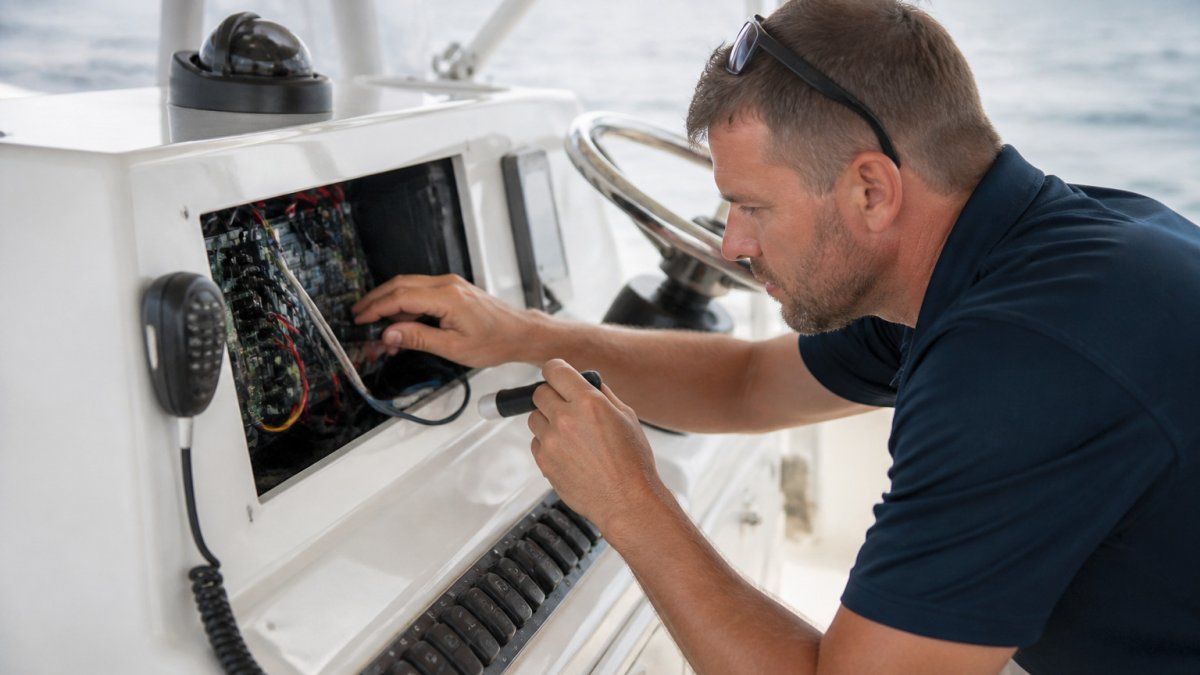
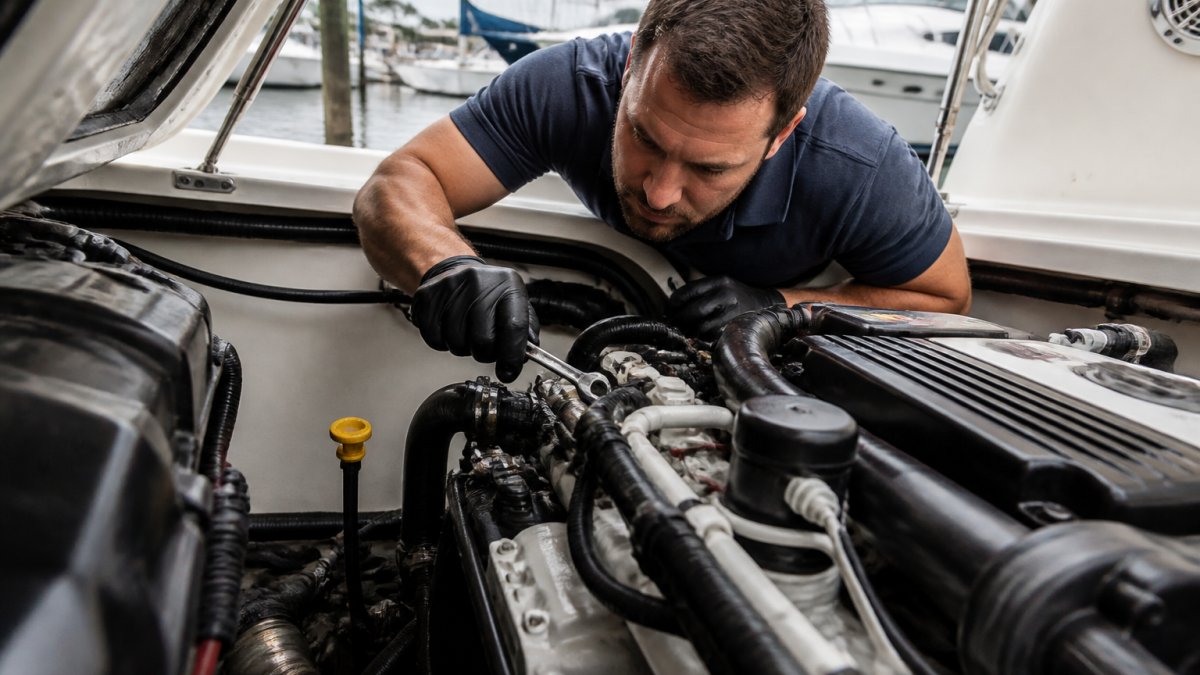
A marine survey is one of the best protections you have. The surveyor checks the hull, engine, electrical system, and safety gear.
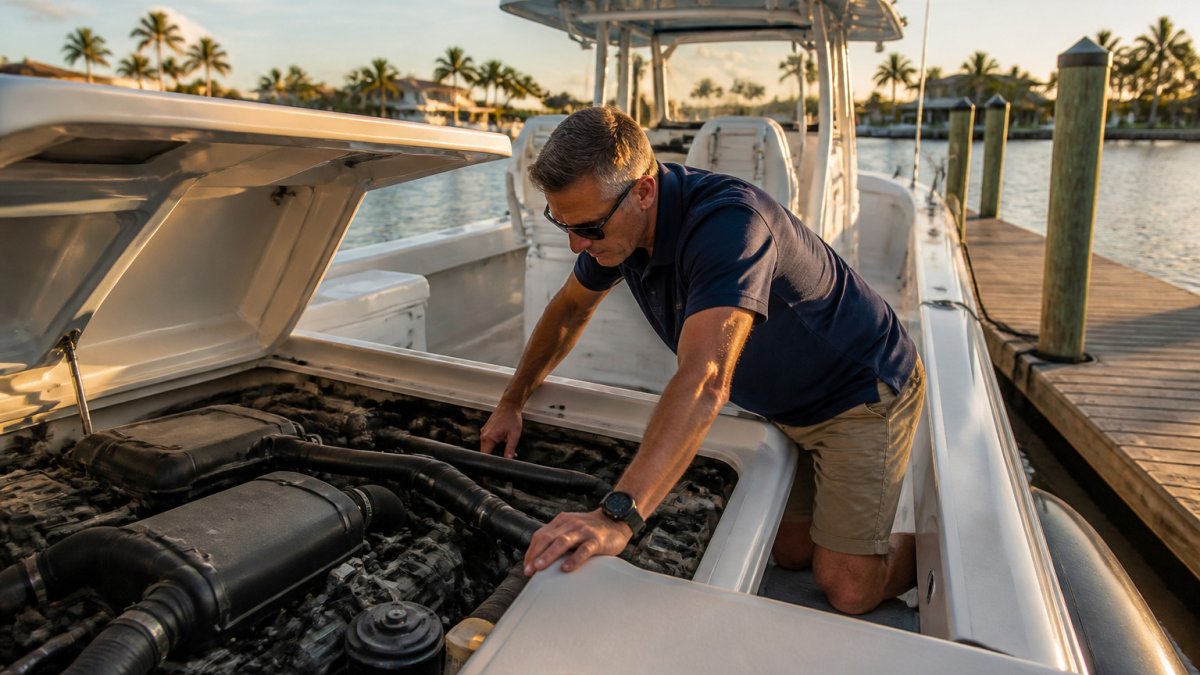
Lenders often rely on that valuation. If the survey finds major problems, the lender may reduce the loan amount or decline the deal.
Use the survey to negotiate. Repairs the surveyor identifies give you grounds to lower the price or ask the seller to fix issues before closing.
Planning Your Next Step Toward Financing Your Center Console
Financing a used center console is worth it when the numbers, the boat's condition, and your budget all line up. Start by checking your credit, saving for a larger down payment, and getting preapproved. Then shop with a clear budget and a survey in your plans.
Reach out now to see how we can help with your boating needs.
Frequently Asked Questions
How hard is it to get financed for a used boat?
Financing a used boat is generally harder than financing a new one. Lenders typically require larger down payments, often 15% to 20% for used boats compared with about 10% for new ones, according to Boatzon. Age also limits options: most lenders finance boats up to about 20 years old, and loan terms shorten as the boat gets older. Strong credit, verifiable income and a clean marine survey improve your chances of approval.
What credit score do you need to finance a used boat?
Lenders set their own credit requirements, so there is no single universal minimum. Borrowers with stronger credit histories generally qualify for better rates and longer terms. Because used center console purchases carry higher down payments and shorter terms, a solid credit profile matters more. Getting boat loan preapproval early shows you exactly which credit tier you fall into before you make an offer on a specific boat.
Can you finance a used boat from a private seller?
Yes, but private-party purchases add steps. Many lenders want a completed marine survey, a clear title, proof of registration and a bill of sale before funding. Your lender may also require the boat to be insured from the moment of purchase. Confirm these requirements with your lender before you sign a purchase agreement, and make the sale contingent on loan approval and a satisfactory survey.
How long can you finance a used center console boat?
Loan length depends on the boat's age, the loan amount and the lender. Boatzon reports that most lenders finance boats up to 20 years old, and terms generally get shorter as the boat ages. Newer used center consoles may qualify for longer repayment periods, while older boats often carry shorter terms and higher monthly payments. Use a boat loan calculator to compare how different term lengths change your monthly payment and total interest.