 how-to
How to Choose a Yacht Flag State: A 2026 Guide
Table of Contents
- How to Choose a Yacht Flag State: Key Decision Factors
- Yacht Flag State Requirements: Eligibility and Ownership
- Yacht Registration Costs: What to Budget For
- The Yacht Registration Process: Step-by-Step
- Port State Control and Yacht Registration: What to Expect
- Comparing Flags: A Decision Matrix for Yacht Owners
- Conclusion: Matching Your Flag to Your Cruising Plan
- Frequently Asked Questions
Last Updated: October 12, 2026
How to Choose a Yacht Flag State: Key Decision Factors
Choosing the right yacht flag state is one of the most consequential decisions a yacht owner makes. It shapes which laws govern your vessel, what safety rules apply, how much you pay each year, and where you can legally cruise.
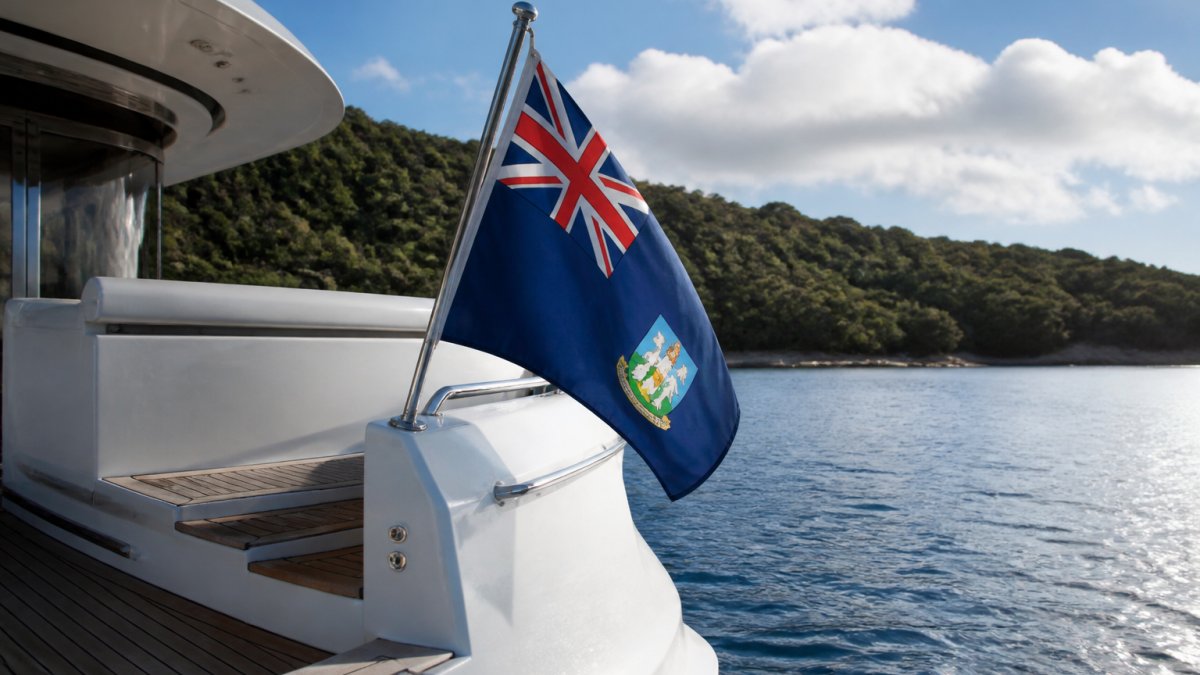
The flag state is the country where your yacht is registered. That country's maritime authority then oversees your vessel. It sets the rules you follow and the paperwork you carry.
Get this choice right, and ownership feels simple. Get it wrong, and you face fines, detentions, or a yacht you can't charter.
What a Flag State Controls
A flag state controls the legal and safety framework for your yacht. It decides which maritime laws apply, what surveys you need, and which certificates you must hold. The flag also determines your rights in foreign ports.
Most owners focus on cost first. That's a mistake. The flag's rules matter far more over the life of the vessel.
Private vs Commercial Registration
Private registration suits owners who use the yacht themselves. Commercial registration is required if you charter the vessel for profit. Commercial flags demand stricter surveys and higher crewing standards. In return, they open the door to legal charter income.
The choice comes down to one question: will anyone pay to use your yacht? If yes, you likely need commercial registration.
Yacht Flag State Requirements: Eligibility and Ownership
Yacht flag state requirements vary widely by country. Some registries accept any owner. Others restrict registration to citizens or companies based in that country.
Most owners register through a corporation or limited liability company. This keeps ownership private and simplifies the process. You'll typically need:
- Proof of ownership, such as a builder's certificate or bill of sale
- A tonnage measurement certificate
- A deletion certificate from the prior registry, if the yacht was registered before
- Evidence of clear title, free of liens
Beneficial ownership rules matter here. Many registries now require you to disclose who truly owns the vessel. Hiding ownership is harder than it used to be.
Ownership eligibility is the first filter. If you don't qualify for a flag, no amount of paperwork will fix it.
Yacht Registration Costs: What to Budget For
Yacht registration costs vary by flag, vessel size, tonnage, and intended use. No single figure fits every owner, and any guide that quotes one flat number is oversimplifying. Instead, budget across five distinct cost categories: initial registration, annual renewal, survey and inspection, representation, and compliance/documentation. Most owners find the registry fee itself is the smallest line item once the yacht is in service.
Itemized Cost Categories
Initial registration fee. Registries typically scale this by length overall (LOA) or gross tonnage, and many publish a fee schedule with tiered brackets.
Annual renewal or tonnage tax. This is the recurring cost that catches owners off guard.
Survey and inspection fees. Some flags require an initial survey, a tonnage measurement, or periodic surveys (often annual or biennial for commercial yachts).
Registered agent or local representative. Many registries require a resident agent, a local corporate representative, or both. This is typically an annual fee paid to a maritime services firm.
Compliance and documentation. Budget for certificate renewals, radio licensing, crew documentation, and any flag-specific filings. These are small individually but add up across a year.
How Fees Vary by Vessel and Registry
Three variables drive most of the variation:
- Vessel size. Larger yachts pay more, both because fee schedules are tiered and because surveys take longer.
- Private vs. commercial use. Commercial registration almost always costs more because of stricter survey, crewing, and certification requirements.
- Registry tier. Flags with strong port state control records often charge more than flags competing on price. That premium is not arbitrary, it reflects the cost of maintaining a credible survey and inspection regime.
Tax, VAT, and Insurance Implications
Flag registration does not, by itself, determine tax treatment. Tax residence, the location where the yacht is based, how it is used, and the owner's own tax situation all matter more than the flag. A common misconception is that registering under a particular flag automatically changes VAT or income tax exposure. It does not.
Where flag choice does interact with tax and finance:
- Charter operations. Commercial registration is usually a prerequisite for legal charter income, and chartering can trigger VAT and local tax obligations in the waters where the charter takes place.
- Financing. Lenders often have preferred flag registries because they simplify mortgage recording and enforcement. A flag that a lender will not accept can complicate or block financing.
- Insurance. Insurers assess the registry's standards, the cruising area, and the crew. A registry with a weak inspection record can raise premiums or narrow coverage.
U.S. Coast Guard National Vessel Documentation Center
A Note on Currency and Quoting
Registry fees are often quoted in the flag state's currency, not in U.S. dollars. Exchange rate movement between the quote and the payment date can change the effective cost. Ask the registry or your agent whether fees are fixed in local currency or pegged, and whether payment can be made in USD.
The Yacht Registration Process: Step-by-Step
The yacht registration process follows a predictable path. Knowing the steps upfront saves weeks of back-and-forth.
- Pick your flag. Match it to your use, budget, and cruising plans.
- Confirm eligibility. Check ownership and residency rules.
- Form your owning entity. Many owners use a company for privacy and tax reasons.
- Gather your documents. Bill of sale, tonnage certificate, and deletion certificate.
- Submit the application. Include the proposed yacht name and hail port.
- Complete any required survey. Some flags inspect the vessel before approval.
- Receive your certificate. You'll get registration and a license to fly the ensign.
- File for renewal. Mark the annual date so you never lapse.
Expect the timeline to stretch when a survey or a prior deletion is involved. Start early.
Port State Control and Yacht Registration: What to Expect
Port state control is the inspection a foreign country runs when your yacht enters its waters. Unlike the flag state, which oversees the yacht's own rules, port state control checks that visiting vessels meet international standards.
Inspectors look at safety equipment, certificates, and crew documentation. Serious problems can lead to a detention, meaning the yacht is held until issues are fixed.
This is where flag reputation matters most. A flag with a weak record draws closer scrutiny.
Flag Performance and Reputation
Flag performance is tracked through inspection results. Registries are often grouped into performance tiers based on detention rates. Flags on the Paris MoU white list are generally viewed as stronger performers. Those on the grey list or black list face more attention.
The takeaway for owners is simple. A respected flag means smoother inspections and fewer delays. It also protects your resale value, because buyers prefer clean, well-regarded registrations.
Comparing Flags: A Decision Matrix for Yacht Owners
No single flag wins for every owner. The right choice depends on how you will use the yacht, where you will cruise, how the vessel is owned, and what you are willing to spend. The matrix below maps common owner profiles to the flag characteristics that matter most, followed by a shortlist of registries that frequently appear in each category.
Decision Matrix by Owner Profile
| Owner Profile | Priority Characteristics | Flags Commonly Considered |
|---|---|---|
| Private owner, coastal cruising, U.S. waters | Simple rules, low compliance burden, straightforward renewal | U.S. state registration; U.S. Coast Guard documentation for eligible vessels |
| Private owner, international cruising | Strong port state control record, wide recognition, flexible ownership | Marshall Islands, Cayman Islands, Isle of Man, Malta |
| Owner chartering for income | Commercial registration, charter-friendly rules, insurer and lender acceptance | Marshall Islands, Cayman Islands, Malta, Madeira (MAR) |
| Frequent international cruiser | White-list performance, minimal inspection friction | Marshall Islands, Cayman Islands, Isle of Man, Malta |
| Privacy-focused owner | Corporate ownership permitted, beneficial ownership disclosure manageable | Marshall Islands, Cayman Islands, Delaware-incorporated owner with a foreign flag |
| Budget-conscious owner | Lower initial and renewal fees, lighter survey regime | U.S. state registration; smaller open registries |
| Owner focused on resale | Well-regarded flag, clean survey history, lender familiarity | Marshall Islands, Cayman Islands, Isle of Man |
This is a starting point, not a recommendation. Registry rules, fees, and eligibility change, and the right answer depends on your specific ownership structure and cruising plan.
How to Use the Matrix
Work through four questions in order:
- Will anyone pay to use the yacht? If yes, you need commercial registration. If no, private registration is usually simpler and cheaper.
- Where will the yacht actually cruise? A yacht that stays in U.S. waters has different needs than one crossing to the Mediterranean or Caribbean each season.
- How will the yacht be owned? A U.S. LLC, a foreign corporation, and direct individual ownership each open and close different registries.
- What is your tolerance for compliance overhead? Stronger flags demand more surveys, documentation, and representation, and reward you with smoother inspections and better resale.
What the Matrix Cannot Tell You
Flag performance rankings are useful but imperfect. Port state control detention statistics are compiled from inspections that meet minimum thresholds, and a registry with a small fleet may not have enough inspections in a rolling period to produce a statistically meaningful rate. A flag that looks strong one year can shift tiers the next. Verify current data before relying on any ranking.
Post-Registration Obligations to Plan For
Flag choice is not a one-time decision. Plan for:
- Annual renewal. Mark the anniversary date and pay on time.
- Periodic surveys. Commercial yachts face more frequent surveys than private ones.
- Changes in ownership. A sale, transfer to a new entity, or change in beneficial ownership may require re-registration or a new certificate.
- Changes in use. Moving from private to commercial operation usually requires a flag transfer or a new registration class.
- Flag transfer. If your cruising area, ownership, or use changes materially, transferring to a different flag may be the cleaner path. Transfers require a deletion certificate from the old registry and a fresh application to the new one.
Coast Guard Port State Control
Conclusion: Matching Your Flag to Your Cruising Plan
The right flag follows from one question: how will you actually use the yacht? Private cruising, charter income, and long-range travel each point toward different registries.
This is where expert guidance pays off. At Primo Yachts of Palm Beach, we've supported South Florida owners since 2009 with specialist brokerage. Our team helps you navigate registration, financing, and outfitting.
Get started with Primo Yachts of Palm Beach.
Frequently Asked Questions
What is the flag state of a yacht?
A yacht's flag state is the country where the vessel is registered. It determines which maritime laws, safety regulations, and inspection requirements apply to your yacht. The flag state issues the registration certificate and the right to fly its ensign. For U.S. owners, this could be the United States or a foreign country like the Cayman Islands or Marshall Islands, depending on eligibility and intended use.
How much does yacht registration cost?
Yacht registration costs vary by flag state and depend on vessel size, age, and whether the registration is private or commercial. Fees typically include an initial registration charge, annual renewal, and possible survey or tonnage measurement costs. Some flags also require a registration agent. Because pricing structures differ significantly, request a current fee schedule directly from the flag state's registry or a maritime agent before committing.
Can I register my yacht under any flag?
No. Each flag state sets its own ownership eligibility rules. Some registries require citizens or residents of that country, while others accept foreign ownership through a local entity or agent. The United States, for example, requires U.S. citizenship or a U.S.-owned corporation for coastwise registration. Before choosing a flag, confirm you meet its ownership and documentation requirements.
What documents are needed to register a yacht?
Most registries ask for a bill of sale, builder's certificate or previous registration, proof of ownership, and a deletion certificate from the prior flag. You will also need tonnage measurement and, for commercial use, a safety survey. Ownership eligibility documents such as a passport or corporate registration may be required. A registration agent can confirm the exact checklist for your chosen flag.