 how-to
How Professional Photography Impacts Yacht Sales
Table of Contents
- Why Professional Yacht Photography Matters for Sales Performance
- How Buyer Perception Shapes First Impressions and Inquiry Rates
- Professional Boat Photography Workflow: From Preparation to Publication
- Yacht Listing Photo Checklist: Essential Shots for Every Listing
- The Hero and Exterior Set (10-14 shots)
- The Helm and Electronics Set (4-6 shots)
- The Interior Set (8-12 shots)
- The Mechanical and Storage Set (5-8 shots)
- Vessel-Specific Shot Priorities
- Lifestyle and Context Shots (3-5 shots)
- Exterior Profile and Craftsmanship
- Interior Layout, Amenities, and Lifestyle Imagery
- Yacht Listing Photo Examples: What Professional Results Look Like
- Yacht Photography Tips for Accuracy and Buyer Trust
- Image Enhancement, Editing, and Honest Representation
- Photography Impact on Time on Market and Sales Velocity
- Frequently Asked Questions
Last Updated: October 12, 2026
Why Professional Yacht Photography Matters for Sales Performance
How professional photography impacts yacht sales starts with a simple truth: most buyers decide within seconds. At Primo Yachts of Palm Beach, we've watched this repeat across many listings.
Professional yacht photography isn't a luxury, it's a sales tool.
A yacht listing with professional imagery generates more inquiries, more showing requests, and a faster sale.
How Buyer Perception Shapes First Impressions and Inquiry Rates
Buyer perception forms in the first moment.
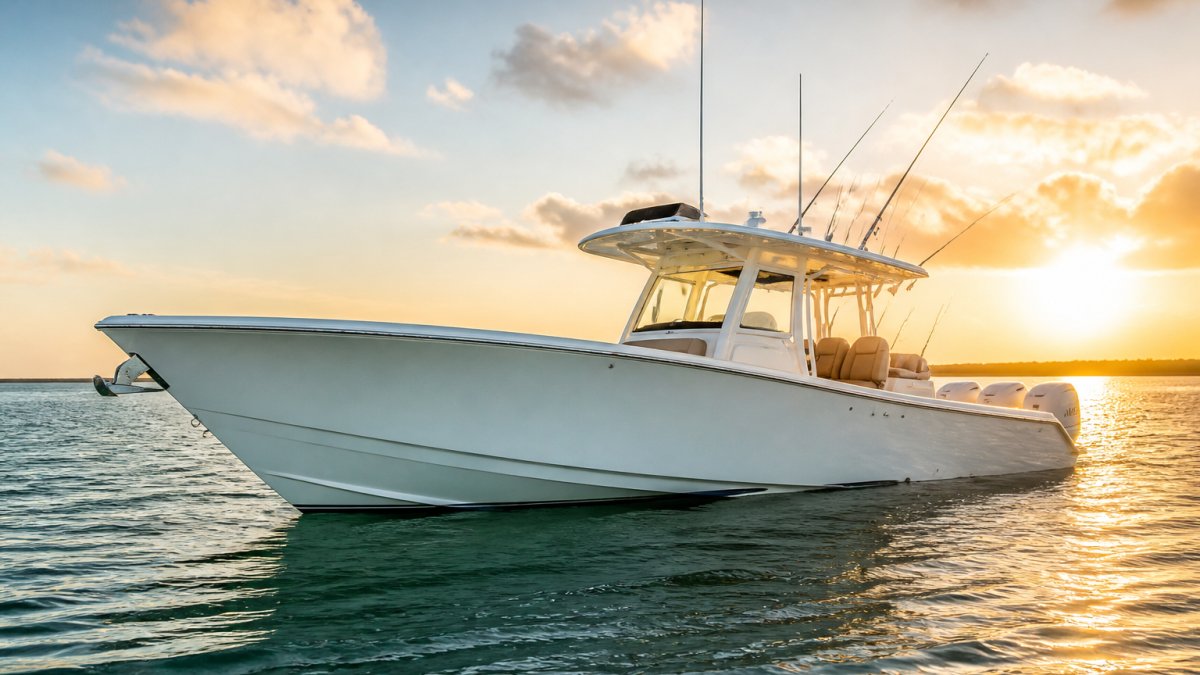
A sharp, well-lit, thoughtfully composed photo signals competence, the seller respects the boat and the buyer enough to present it properly.
Emotional connection matters too. Buyers don't just want specs, they want to imagine themselves on the water.
Professional Boat Photography Workflow: From Preparation to Publication
A professional yacht photography workflow separates listings that perform from those that don't. It starts long before the camera comes out and continues after the last photo is edited.
Preparing and Staging Your Vessel
Preparation is everything. A photographer can't fix what isn't clean. The boat must be spotless, deck, helm, cabin, engine room. Clutter disappears, fenders come off, lines are coiled neatly, personal items go below deck.
Steps to prepare your yacht for photography:
- Deep clean the entire exterior and interior
- Remove all loose lines, fenders, and personal gear from deck
- Wipe down windows and clear any salt spray or oxidation
Preparation takes time but is non-negotiable. A dirty boat in professional lighting still looks dirty.
Equipment and Photographer Selection
Not all photographers are equal. A real estate or wedding photographer may not understand boats, how to capture a hull's profile, a center console's scale, or how light reflects off water.
When selecting a professional photographer, look for:
- Portfolio focused on marine or yacht photography
- Experience with the specific type of vessel you own
- Understanding of boat-specific angles and shots
The right photographer knows a center console must show its open design, a motor yacht's profile matters, and how to make a fishing boat look charter-ready and a cruiser voyage-ready.
Timing, Lighting, and Weather Conditions
Timing determines everything. Golden hour, the hour after sunrise or before sunset, produces warm, directional light that flatters hulls and creates depth. The water is calm. The sky has color.
Weather matters equally. Rough water makes the boat bounce, gray skies flatten colors, wind brings spray and haze.
Timing considerations:
- Shoot during golden hour for best light and color
- Plan for calm water conditions (early morning often best)
- Avoid midday harsh shadows and glare
Yacht Listing Photo Checklist: Essential Shots for Every Listing
Most listings fail not because the photos are bad, but because they are incomplete.
Aim for 30 to 50 delivered images per listing. Fewer than 20 reads as thin; more than 60 without curation reads as a data dump. The goal is coverage, not volume.
The Hero and Exterior Set (10-14 shots)
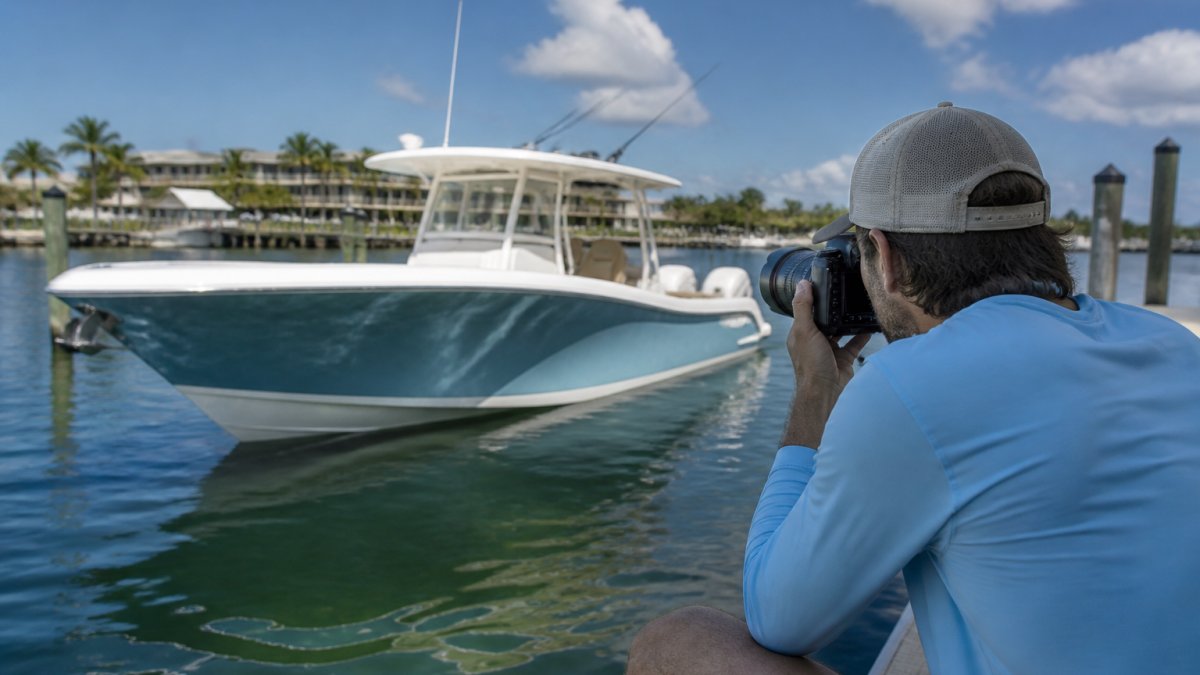
The hero image appears in search results and social feeds. Shoot it from the water at a three-quarter bow angle during golden hour, hull filling roughly 70 percent of the frame with a clean horizon. It is the single most important image in the listing.
Exterior coverage should include:
- Three-quarter bow (port and starboard), the hero candidates
- Full beam profile, port and starboard, shot level with the waterline
- Direct bow, showing anchor, pulpit, and windlass
The Helm and Electronics Set (4-6 shots)
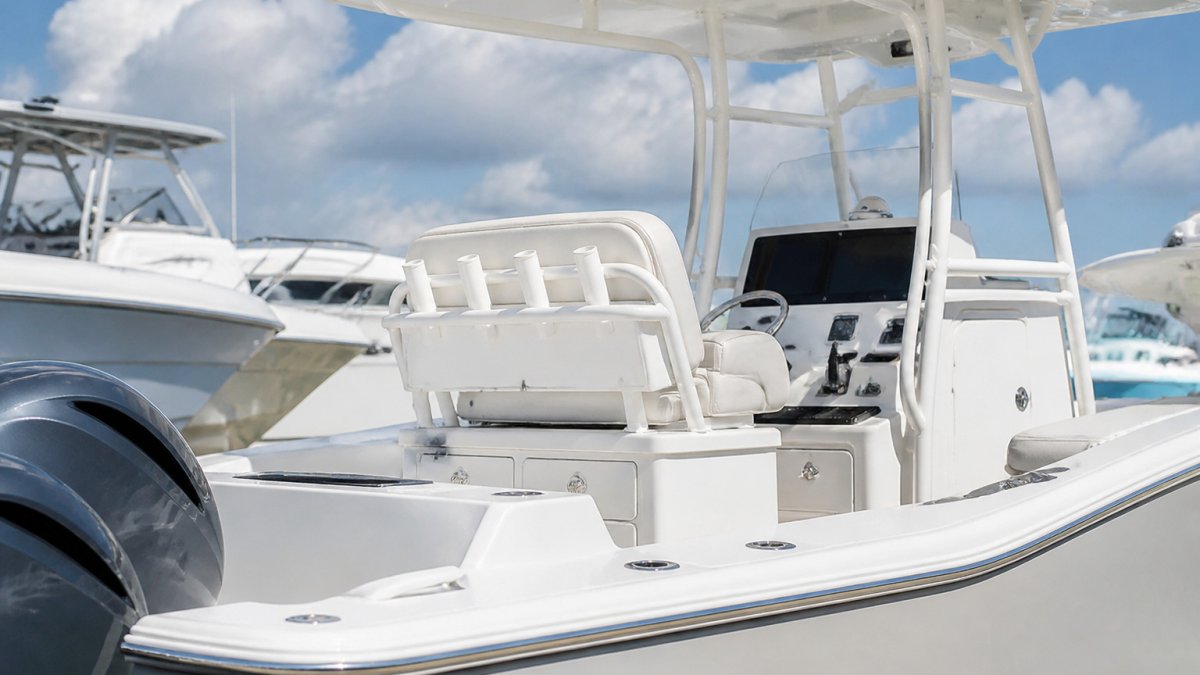
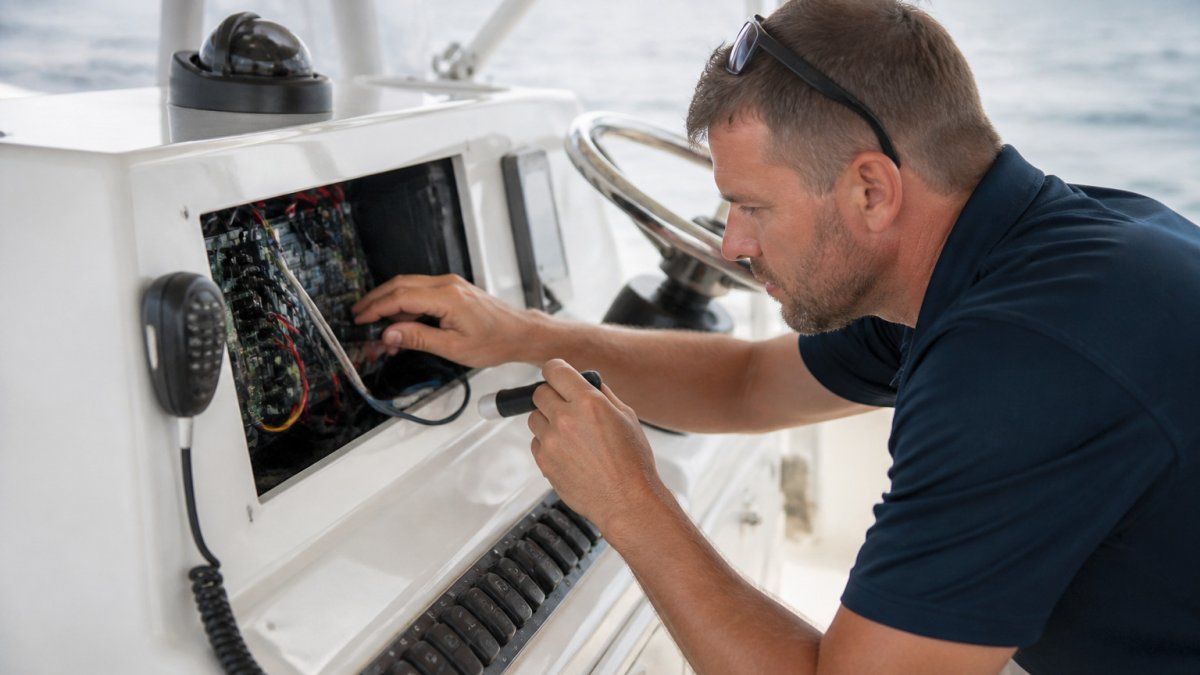
Buyers who plan to run the boat care more about the helm than the salon. Shoot the helm wide, then the instrument panel, throttle and shift controls, wheel or joystick, and any autopilot or chartplotter screens powered on and legible, dark screens read as broken.
The Interior Set (8-12 shots)
Interior photography lives or dies on lighting. Shoot with available light where possible, supplement with a diffused flash bounced off a white ceiling, and never mix daylight and tungsten without correcting white balance.
Cover:
- Salon wide from the companionway, and reverse angle from the forward end
- Galley wide, plus close-ups of stove, sink, refrigerator, and storage
- Dinette or settee, set with cushions squared
The Mechanical and Storage Set (5-8 shots)
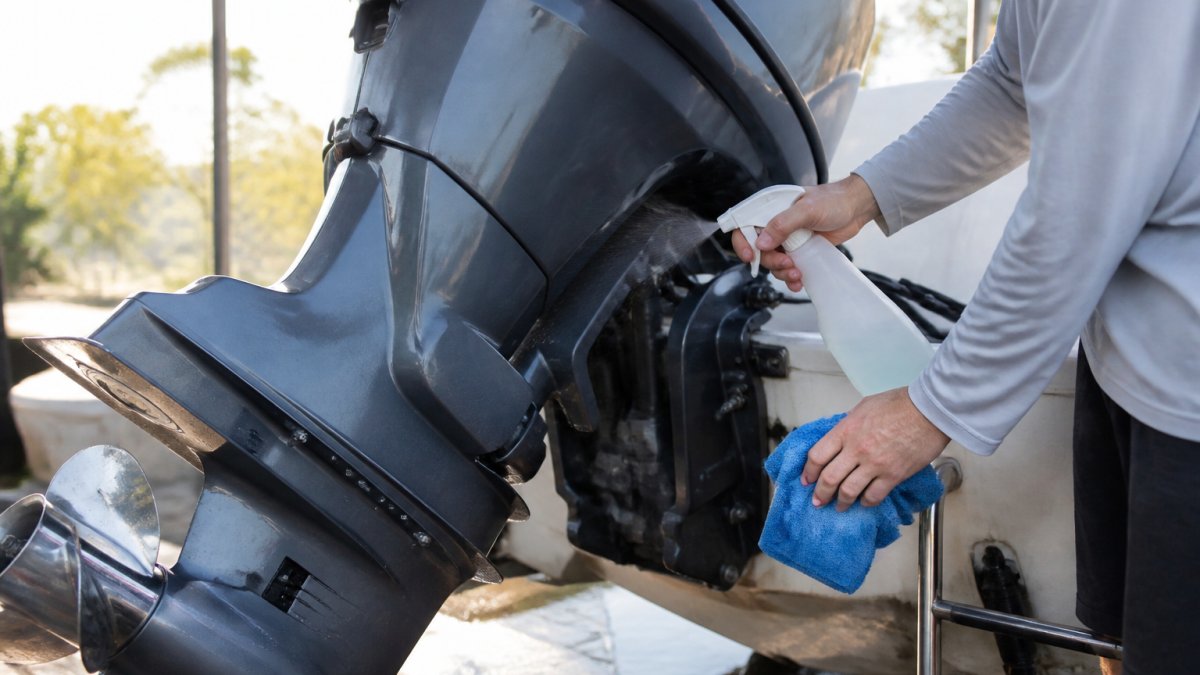
This is the set most sellers skip and most serious buyers demand. A clean, well-lit engine room signals maintenance. A dark, cluttered one signals deferred work.
- Engine room wide, shot with a wide-angle lens and supplemental light
- Each engine or engine, port and starboard, with hours visible on the panel if possible
- Generator, with hour meter visible
Vessel-Specific Shot Priorities
Not every boat needs the same list. Adjust by type:
- Center consoles and sportfishing boats: prioritize the cockpit, livewell, rod holders, outriggers, tackle storage, and helm. Buyers are fishing-first.
- Motor yachts and cruisers: prioritize the flybridge, salon, galley, and entertaining spaces. Buyers are lifestyle-first.
- Sailboats: prioritize rig, sails (hoisted if possible), winches, cockpit, and below-deck layout. Buyers are sailing-first.
Lifestyle and Context Shots (3-5 shots)
These images sell the dream: a helm shot at sunset, a view from the bow at anchor, a table set on the aft deck. Keep them real, no stock imagery, no borrowed boats, no scenes that misrepresent the vessel's setting or equipment.
Exterior Profile and Craftsmanship
The hero image must show the boat's profile. Taken from the water at a three-quarter angle during golden hour, it should emphasize hull shape and overall design, with a clean boat and calm water.
Additional exterior shots should include:
- Bow view showing the forward design and anchor setup
- Stern view displaying the transom and engine access
- Deck layout from multiple angles
These shots demonstrate craftsmanship and maintenance, giving buyers confidence in the vessel.
Interior Layout, Amenities, and Lifestyle Imagery
Interior shots matter more than many sellers realize. Buyers want to see the cabin, galley, head, and sleeping areas, and understand the layout and functionality.
Interior photography should include:
- Cabin entrance and overall cabin space
- Galley setup and appliances
- Head and any shower facilities
Lifestyle imagery shows the boat in context, the helm at sunset, a view from the flying bridge, the boat anchored in clear water, helping buyers envision themselves aboard.
Yacht Listing Photo Examples: What Professional Results Look Like
Interior shots are well-lit and undistorted, with true-to-life colors, no clutter, and an obvious layout.
Detail shots, polished stainless steel, clean cushions, well-maintained hardware, build confidence in the vessel's condition.
Professional results stand out in a listing feed, commanding attention and generating clicks and inquiries.
Yacht Photography Tips for Accuracy and Buyer Trust
Accuracy matters. Buyers who arrive at a showing and find the boat looks different from the photos lose trust immediately, and that kills the sale.
Professional yacht photography should represent the boat honestly, edited for clarity and color, not manipulated to misrepresent condition.
Tips for maintaining accuracy:
- Shoot in natural light to show true colors
- Avoid excessive editing that changes appearance
- Represent the boat's actual condition honestly
Honest representation builds buyer confidence. A buyer who sees accurate photos arrives at the showing prepared and ready to move forward.
Image Enhancement, Editing, and Honest Representation
Professional editing enhances photos without deceiving. The goal is clarity and color accuracy, not fantasy.
Proper editing includes:
- Color correction for accurate representation
- Exposure adjustment for proper lighting
- Cropping for composition
Improper editing includes:
- Removing objects or features
- Dramatically altering colors
- Changing sky or water appearance
The line between enhancement and deception is clear. Professional photographers know where it is. Sellers should too.
Photography Impact on Time on Market and Sales Velocity
Every broker has a story about a boat that sat for months and sold two weeks after a reshoot. What is less common is a seller who actually measures the change.
What to Measure Before and After a Photography Upgrade
You cannot manage what you do not track. Before a reshoot, pull the last 30 days of listing analytics:
- Listing views, total and unique
- Photo gallery opens, how many viewers clicked into the full image set
- Saved or favorited count, the strongest early signal of buyer intent
After the reshoot, wait 14 to 30 days and pull the same numbers. Brokers commonly report a lift in gallery opens and saved counts within two weeks, followed by a rise in inquiries. Exact percentages vary by market, vessel type, and price band, so rely on your own before-and-after data.
The Mechanism Behind Faster Sales
Professional photography does not sell a boat by itself. It changes the buyer pool: strong imagery attracts more qualified inquiries and fewer tire-kickers, because the photos have already answered basic questions about condition, layout, and equipment.
That self-selection compresses time on market. A seller with weak photos spends the first weeks answering questions the photos should have answered; a seller with strong photos spends those weeks scheduling showings with buyers close to a decision.
Accuracy, Disclosure, and the Risk of Over-Enhancement
Speed on market is only valuable if the sale closes. A listing that moves fast because the photos oversold the vessel will stall at survey or sea trial, often after the seller has turned down other offers.
Set clear boundaries for retouching and enhancement:
- Allowed: color correction, exposure adjustment, cropping, sharpening, removal of transient dust or salt spray, and consistent color grading across the set.
- Not allowed: removing equipment, altering hull condition, changing the sky or water to imply a different setting, digitally adding features the vessel does not have, or using AI generation to fill in spaces that were not photographed.
If a feature is not on the boat, it does not belong in the photo. If a defect is visible in person, it should be visible in the image.
Video, Drone, and Virtual Tours: When They Add Value
Still photography is the foundation, but other formats can accelerate a sale:
- Walkthrough video: most valuable for vessels with complex layouts, multi-cabin motor yachts, catamarans, and anything where the flow between spaces is a selling point. A two- to four-minute walkthrough shot in one continuous take builds more confidence than 40 stills.
- Drone and aerial imagery: most valuable for vessels where the exterior profile, deck layout, or anchorage setting is the primary appeal. Aerial shots also help buyers understand the boat's scale in a way water-level photos cannot.
- 360-degree and virtual tours: most valuable for out-of-market buyers who cannot easily attend a showing. A virtual tour reduces the number of wasted showings by letting buyers rule themselves out before they travel.
Not every listing needs all three. A $40,000 center console may sell on stills alone. A $1.5 million motor yacht with out-of-state buyers often benefits from all three formats working together.
What This Means for Sellers
The measurable impact of professional photography is real, but not magic. It works when images are complete, accurate, and paired with a listing priced and described honestly. Track your own before-and-after numbers, keep edits within disclosure boundaries, and choose formats that match your vessel and buyer pool.
Frequently Asked Questions
How does professional yacht photography actually impact how fast a boat sells?
High-quality yacht listing photos directly influence buyer engagement and inquiry rates. Listings with professional imagery attract more qualified inquiries, reduce time on market, and support faster sales cycles. Accurate, well-composed photos build buyer confidence before they contact a broker, meaning serious prospects reach out rather than casual browsers. The difference between amateur and professional photography often determines whether a potential buyer moves forward or continues browsing other listings.
What should a complete yacht listing photo checklist include?
A comprehensive yacht listing photo checklist covers exterior profile shots from multiple angles, hero images showing the vessel's best side, interior layout photos of cabins and galley, amenities and onboard features, deck areas and seating, engine room or mechanical spaces, and lifestyle imagery showing the yacht in use. Include wide-angle shots for context, close-ups highlighting craftsmanship and condition, and photos taken during optimal lighting conditions. Professional boat photography also captures the vessel from water level and aerial perspectives to show scale and profile clearly.
Should yacht listing photos be edited, and how much is too much?
Photo editing is standard in professional yacht marketing, but accuracy must come first. Light adjustments, color correction, and minor enhancement maintain honest representation while improving visual appeal. Avoid heavy filters, unrealistic color shifts, or removing visible wear that affects the vessel's actual condition. Buyers expect polished, professional imagery, but they also expect those photos to match the boat they see in person. Disclosure and accuracy protect your credibility and prevent buyer disappointment that leads to withdrawn offers or negative reviews.
What's the best time of day to photograph a yacht for listings?
Golden hour, early morning or late afternoon, provides the most flattering natural light for yacht photography. This soft, warm light enhances the vessel's colors and creates appealing shadows that emphasize craftsmanship and profile. Avoid harsh midday sun, which creates blown-out highlights and unflattering shadows. Overcast conditions work well for interior shots and detail photography. Weather conditions matter too: calm water reflects the yacht beautifully, while rough conditions can distract from the listing. Plan shoots around tide, water clarity, and seasonal light to maximize professional results.
When you're ready to sell your center console or offshore fishing vessel, the right presentation matters. Primo Yachts of Palm Beach specializes in marketing premium vessels with the professional expertise and attention to detail your boat deserves. We handle everything from photography to buyer positioning, ensuring your yacht reaches qualified buyers who understand its value. Get in touch to discuss how we can position your boat for a faster sale.