 comparison
Evaluating Yacht Insurance Policy Coverage Options
Table of Contents
- Yacht Insurance Basics and How It Differs from Standard Boat Coverage
- Yacht Insurance Coverage Types Explained
- Agreed Value vs Actual Cash Value Boat Insurance
- Yacht Insurance Exclusions and Coverage Boundaries
- Yacht Insurance Quote Comparison Framework
- Coverage Needs by Vessel Use and Cruising Profile
- Evaluating Insurer Service and Claims Settlement
- Frequently Asked Questions
Last Updated: October 17, 2026
Yacht Insurance Basics and How It Differs from Standard Boat Coverage
Yacht insurance and standard boat insurance are fundamentally different products for different vessels and risk profiles. Yacht insurance is engineered for larger, more valuable vessels used in extended cruising, offshore operations, or charter scenarios.
Standard boat policies often include navigation limits and may exclude uses like commercial fishing or charter operations. Yacht policies are more flexible on these points, though they require more detailed underwriting and vessel surveys.
When evaluating yacht insurance policy coverage options, you're really asking: what does this specific policy actually cover, and where does it leave gaps?
Another key difference: deductibles. Standard boat policies often feature simple, fixed deductibles. Yacht policies frequently include named-storm deductibles, which are higher thresholds that apply specifically to losses caused by hurricanes or named tropical storms.
Yacht Insurance Coverage Types Explained
Yacht policies bundle several coverage types, each requiring decisions about limits, deductibles, and add-ons.
Hull and Machinery Coverage
Hull and machinery coverage is the foundation of any yacht policy, protecting the hull, engine, propulsion, electrical systems, and permanently installed equipment. It responds if your yacht collides with a dock, runs aground, or suffers mechanical failure causing physical damage.
It applies to accidental damage or covered perils like fire, theft, or weather, but excludes wear and tear, gradual deterioration, and maintenance issues.
Most yacht policies require a marine survey before coverage is issued, establishing the vessel's condition and value as the baseline for claims settlement and confirming seaworthiness.
Physical Damage and Total Loss
Physical damage coverage responds to collision, fire, theft, vandalism, and weather. Total loss coverage addresses the scenario where repair costs exceed 70-80% of the vessel's value, making it uneconomical to repair.
When evaluating yacht insurance policy coverage options for physical damage, pay attention to how the policy defines total loss. Some policies declare a vessel a total loss at 70% of agreed value; others use 80%. This distinction affects your claim settlement.
The policy also specifies what happens to the wreck after a total loss settlement. Some insurers take ownership; others let you retain it. If you plan to salvage or rebuild, confirm this before binding coverage.
Liability and Protection and Indemnity
Liability coverage protects you against third-party claims for injury or property damage caused by your yacht, whether from a collision due to your negligence or a guest injured aboard.
Protection and indemnity (P&I) coverage is a specialized form of liability designed for yacht owners. Coverage limits commonly range from $250,000 to $1,000,000 or higher, depending on your vessel size and cruising profile.
One critical detail: liability coverage usually excludes crew injuries if you employ a captain or crew. Crew liability requires a separate endorsement. If you operate your vessel commercially or carry paying guests, crew liability becomes essential.
Medical Payments and Personal Effects
Medical payments coverage handles medical expenses for you, your family, and guests injured aboard, typically $1,000 to $5,000 per person, paid regardless of fault.
Personal effects coverage protects belongings aboard: fishing equipment, electronics, clothing, and more. It has sub-limits (often $500-$1,000 per item), typically excludes cash, jewelry, and documents, and deductibles apply per claim.
Many owners overlook personal effects coverage, then face gaps when valuable gear is lost overboard or stolen. If you regularly carry expensive equipment, this endorsement is worth the modest premium.
Agreed Value vs Actual Cash Value Boat Insurance
This is one of the most consequential decisions when evaluating yacht insurance policy coverage options.
Agreed value means you and the insurer agree on your yacht's value at policy inception, typically via marine survey or appraisal.
Actual cash value pays the fair market value at the time of loss, accounting for depreciation and condition.
One caveat: agreed value policies require periodic reappraisals, typically every 3-5 years, and insurers may reduce agreed value if they discover material misrepresentations or changes in vessel use.
| Valuation Method | Claim Payment | Best For | Key Consideration |
|---|---|---|---|
| Agreed Value | Fixed amount agreed upfront | Most yacht owners | Requires periodic reappraisals |
| Actual Cash Value | Fair market value at time of loss | Budget-conscious buyers | Depreciation reduces payout |
Yacht Insurance Exclusions and Coverage Boundaries
Every yacht policy excludes certain perils and situations. Understanding them prevents costly surprises at claim time.
Common exclusions include:
- Wear and tear, gradual deterioration, and maintenance issues
- Mechanical breakdown (unless covered by optional endorsement)
- Losses caused by the insured's intentional acts
- Racing or speed trials (unless specifically endorsed)
- Losses occurring outside navigation limits or cruising range
- Commercial use (unless the policy is specifically written for charter or commercial operation)
- Losses caused by violation of safety regulations or operating under the influence
Some exclusions are absolute; others can be removed through endorsements. The key is identifying which exclusions matter for your specific use case, then determining whether you need to add coverage.
Navigation Limits and Cruising Range
These limits exist because risk profiles change by location: a yacht cruising the Caribbean in hurricane season faces different perils than one operating year-round in South Florida.
When evaluating yacht insurance policy coverage options, confirm the navigation limits match your intended cruising area. You may need an extended cruising endorsement or a policy specifically designed for offshore operation.
Some policies offer "navigation limit endorsements" expanding coverage to specific regions for an additional premium; others require a different policy structure for offshore or extended cruising.
Reach out now to see how we can help with your boating needs! →
Charter Use and Operational Risk
If you charter your yacht or use it for commercial fishing, standard yacht insurance won't cover losses, insurers distinguish personal use from revenue-generating operations because the risk profile differs fundamentally.
Charter use, bareboat, crewed, or day-trip, requires a separate policy or endorsement, typically costing significantly more due to unfamiliar operators, higher use rates, and greater liability exposure.
Commercial fishing operations require specialized marine insurance. Standard yacht policies explicitly exclude fishing-related losses. If you operate your center console as a charter fishing vessel, you need coverage specifically designed for that use.
Yacht Insurance Quote Comparison Framework
Comparing yacht insurance quotes requires a structured approach, since each insurer offers different coverage structures, deductibles, and limits. Without a framework, you'll compare apples to oranges.
Start by standardizing the key variables across all quotes:
- Hull value (agreed or actual cash value)
- Coverage limits for liability and medical payments
- Deductible structure (fixed vs. named-storm)
- Navigation limits and cruising range
- Endorsements and add-on coverage
Once these variables are identical, you can compare premium differences meaningfully. A quote that's $500 cheaper annually but excludes crew liability or restricts navigation isn't actually cheaper, it's just incomplete.
Deductible Structures and Named-Storm Options
Deductibles represent your out-of-pocket responsibility on a claim. Choosing the right structure means balancing premium savings against risk tolerance.
Most yacht policies offer a standard deductible (typically $500-$2,500) that applies to all covered losses.
A named-storm deductible might be $5,000 or higher while the standard deductible remains $1,000. Insurers price this structure lower than a single high deductible covering all perils, because most claims don't involve named storms.
The trade-off: if a hurricane damages your vessel, you'll pay the higher deductible. If you're comfortable with that risk and want to reduce annual premiums, accepting a named-storm deductible makes financial sense.
Premium Factors and Underwriting Requirements
Your yacht insurance premium depends on multiple factors. Insurers evaluate:
- Vessel age and condition: Newer vessels in excellent condition command lower premiums. Older vessels or those in poor condition face higher rates or may be declined.
- Vessel type and size: Center consoles, sportfish yachts, and displacement cruisers have different risk profiles. Larger vessels typically cost more to insure.
- Claims history: Your personal claims history and the vessel's claims history affect pricing. Clean records receive better rates.
- Navigation and use: Vessels operated year-round in high-risk areas (hurricane zones) cost more than seasonal vessels in protected waters.
- Operator experience: Your boating experience and the captain's experience influence underwriting. Inexperienced operators may face higher premiums or coverage restrictions.
- Safety equipment: Vessels equipped with modern navigation systems, fire suppression, and safety gear often qualify for discounts.
Most insurers require a marine survey before issuing a policy. The survey confirms the vessel's condition, identifies any maintenance issues, and establishes the baseline for hull value. Surveys typically cost $500-$2,000 depending on vessel size and complexity.
Coverage Needs by Vessel Use and Cruising Profile
The right yacht insurance policy depends entirely on how you use your vessel. A weekend angler operating within 20 nautical miles of inlet has completely different coverage needs than an owner cruising offshore or operating a charter business.
Define your intended use clearly:
- Coastal day trips vs. extended cruising
- Seasonal vs. year-round operation
- Personal use vs. charter or commercial operations
- Fishing, cruising, or both
- Operating area (local waters, Gulf Stream, Caribbean, etc.)
Once you've defined your use profile, you can evaluate policies against those specific needs. A policy that's perfect for a weekend angler may be inadequate for an offshore cruiser.
When evaluating yacht insurance policy coverage options, resist the temptation to "buy the most coverage." Instead, buy coverage that matches your actual operations. This approach keeps premiums reasonable while ensuring you're protected where it matters.
Evaluating Insurer Service and Claims Settlement
The best insurance policy is only as good as the insurer's willingness to pay claims fairly and promptly.
When evaluating insurers, research their claims process. Ask:
- How quickly do they respond to claims?
- Do they have marine adjusters who understand yacht operations?
- Can they authorize emergency repairs without requiring pre-approval?
- What's their settlement process for partial losses vs. total losses?
- Do they work with preferred repair shops, or can you choose your own?
Ask your insurance broker for references, clients of the insurer who've filed claims. Direct feedback from policyholders reveals far more than marketing materials.
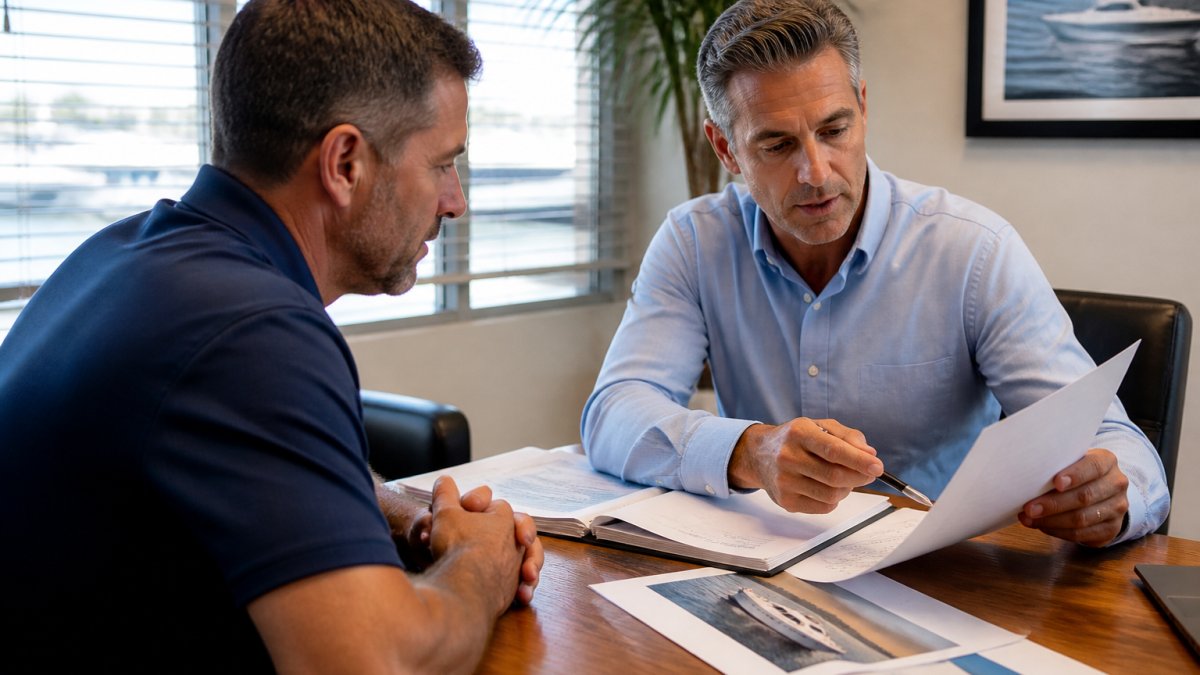
Financial stability matters too. An insurer offering the cheapest premium is worthless if they can't pay claims. Check ratings from A.M.
Some insurers specialize in yacht insurance and employ marine professionals. Others treat yachts as a sideline.
Evaluating yacht insurance policy coverage options requires balancing comprehensive protection against your specific operational needs and budget. Our team brings specialized expertise in center console yachts and the operational realities of South Florida owners, helping you navigate coverage decisions with confidence.
Frequently Asked Questions
What is the difference between agreed value and actual cash value yacht insurance?
Agreed value policies set a fixed insured amount upfront that both you and the insurer accept. If a total loss occurs, you receive that agreed amount without depreciation disputes. Actual cash value policies pay out the vessel's current market value at the time of loss, which may be significantly lower due to depreciation. For yachts, agreed value typically offers better protection and certainty, especially for newer vessels. Most yacht owners prefer agreed value because it eliminates valuation arguments during claims.
What yacht insurance coverage types do I need for offshore fishing?
Offshore fishing vessels need comprehensive hull and machinery coverage, robust liability protection (including crew liability), and medical payments coverage for crew injuries. Named-storm deductible options help manage hurricane risk in coastal waters. Consider wreck removal and salvage coverage, as offshore breakdowns can be costly to recover. Protection and indemnity coverage protects against third-party injury or property damage claims. Personal effects coverage is optional but valuable if crew members keep gear aboard. Your specific needs depend on vessel size, cruising range, and how far offshore you operate.
What exclusions should I look for in a yacht insurance policy?
Common exclusions include mechanical breakdown (unless added as an endorsement), normal wear and tear, and damage from poor maintenance. Many policies exclude coverage outside specified navigation limits or cruising ranges. Charter use typically voids standard policies unless a charter endorsement is added. Damage from racing or commercial operations often isn't covered. Weather-related exclusions vary; some policies exclude hurricane damage unless a named-storm deductible is purchased. Review exclusions for crew liability limits, theft coverage boundaries, and salvage recovery terms. Ask your broker to clarify boundary cases specific to your vessel and intended use.
How do I compare yacht insurance quotes effectively?
Request quotes from multiple insurers with identical vessel specifications, coverage limits, and deductibles to ensure fair comparison. Compare the insured value methodology (agreed value vs actual cash value), liability limits, and what add-ons are included versus optional. Check deductible options, especially named-storm deductibles for hurricane-prone areas. Evaluate exclusions and navigation limits carefully; a lower premium may reflect restrictive cruising boundaries. Ask about claims settlement reputation and response times. Consider the broker's expertise in your vessel type and cruising profile; specialized knowledge often results in better coverage fit.