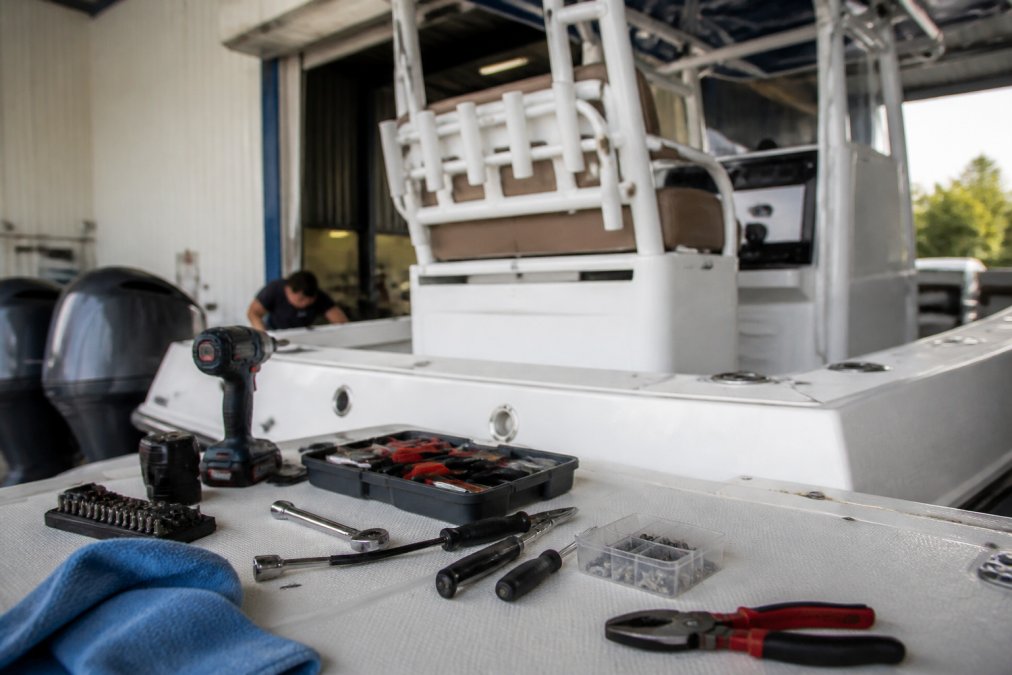
 listicle
Best Center Console Boat Refit Services: 2026 Guide
Table of Contents
- What to Expect From Professional Center Console Boat Refit Services
- Center Console Repower Services: Engine Upgrades and Replacements
- Marine Electronics Installation Services and System Integration
- Hull Restoration and Fiberglass Repair
- Center Console Boat Restoration Cost Planning and Budgeting
- DIY vs. Professional Refit: Making the Right Choice
- Modernization Trends in Center Console Refits
- Frequently Asked Questions
Last Updated: August 31, 2026
What to Expect From Professional Center Console Boat Refit Services
A comprehensive center console boat refit transforms aging vessels into modern, high-performance fishing platforms. At Primo Yachts of Palm Beach, we understand that professional refit services span far more than a fresh coat of paint. The scope typically includes engine repowers, electrical system overhauls, structural repairs, and cosmetic refinishing, all coordinated to restore both functionality and value.
The refit process begins with a detailed vessel assessment. A qualified marine technician inspects the hull for structural integrity, evaluates existing systems, and identifies components approaching end-of-life. This diagnostic phase determines whether you're looking at a cosmetic refresh or a major restoration requiring weeks in the yard. Most center console owners find that professional guidance during this phase saves money by preventing unnecessary work and prioritizing what actually matters for their intended use.
Modern center console refits increasingly emphasize system integration. Rather than treating the engine, electronics, and electrical systems as separate projects, today's approach connects them into a unified network. Your GPS, autopilot, fishfinder, and engine management systems communicate seamlessly, something that requires careful planning and certified technicians who understand NMEA 2000 architecture and marine-grade networking.
The timeline for a full refit typically ranges from 4 to 12 weeks, depending on scope (abyc.org). A simple repower and electronics upgrade might finish in a month. A comprehensive restoration involving hull work, interior refurbishment, and system modernization can extend into several months. Weather, parts availability, and the condition of hidden structural issues discovered during teardown all influence the schedule.
Center Console Repower Services: Engine Upgrades and Replacements
Repowering is the single most impactful upgrade for aging center consoles. Replacing worn outboard motors with modern engines improves fuel efficiency, reliability, and resale value. Mercury, Yamaha, Honda, and Suzuki all manufacture marine engines with dramatically better fuel economy and emissions compliance than models from a decade ago (the EPA).
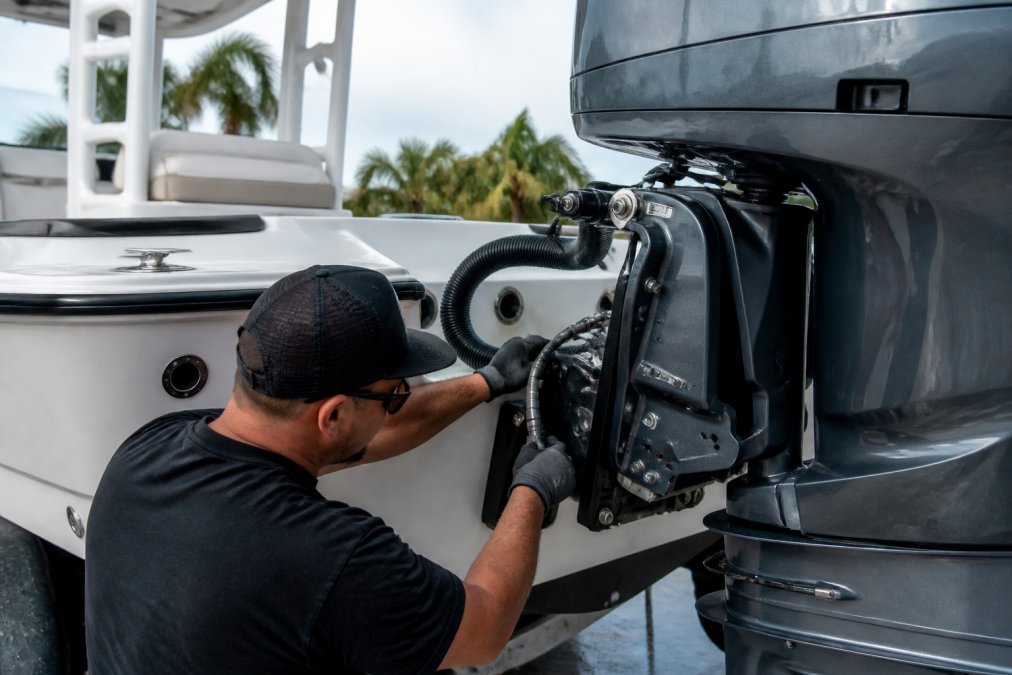
A single-engine repower for a center console typically involves removing the existing motor, inspecting the transom for structural damage, and installing a new outboard with updated rigging. Twin or triple configurations require more complex plumbing for fuel, cooling, and electrical systems. Quad setups, increasingly common on larger center consoles, demand meticulous coordination of throttle cables, trim systems, and electrical harnesses.
Primo Yachts of Palm Beach can connect you with service centers that maintain certifications with all major outboard manufacturers. This matters because authorized dealers access OEM parts, technical bulletins, and warranty support that independent shops cannot. A new Mercury or Yamaha engine backed by the manufacturer's warranty provides peace of mind that a salvaged or gray-market motor never will.
The decision between single, twin, or triple configurations depends on your fishing style and budget. Single engines reduce complexity and fuel consumption but limit redundancy if the motor fails offshore. Twin setups offer balanced redundancy and better hole-shot performance for competitive fishing. Triples and quads deliver maximum speed and power for large offshore vessels, though fuel costs rise accordingly.
Modern repower installations include upgraded fuel systems with larger capacity tanks, secondary fuel filters, and water-separator technology. These additions protect expensive new engines from contaminated fuel, a common cause of early motor failure. The best shops also install engine monitoring systems that alert you to temperature, pressure, or electrical anomalies before they become catastrophic failures.
Marine Electronics Installation Services and System Integration
Modern fishing demands real-time data integration across multiple systems. Marine electronics installation has evolved from simply bolting a GPS to the helm into architecting a networked ecosystem where your sounder, radar, autopilot, and engine instruments share information seamlessly.
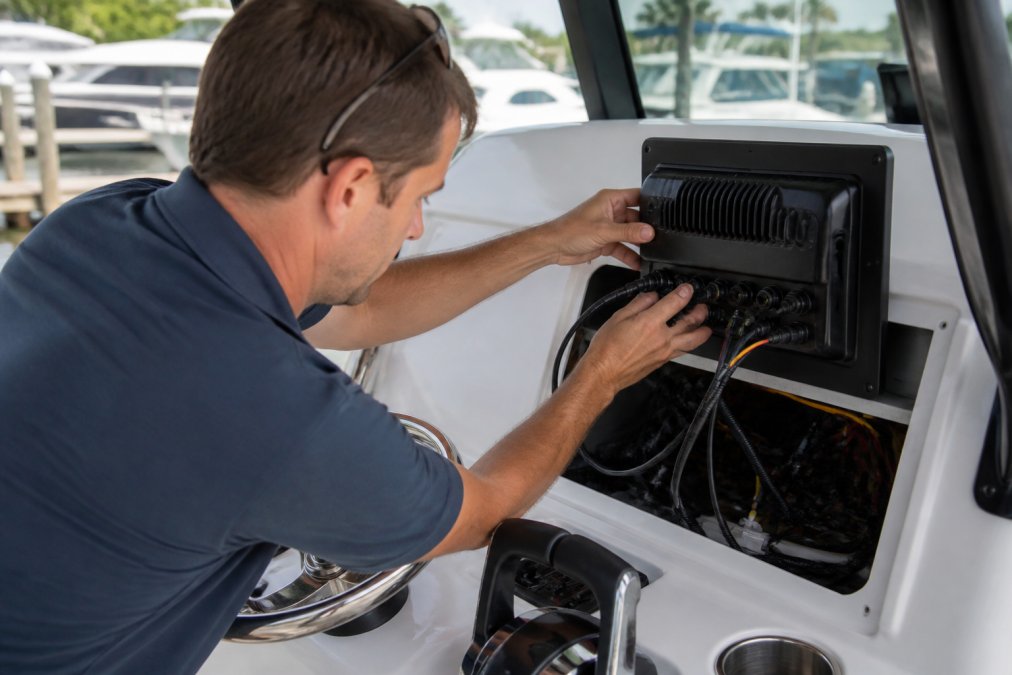
A baseline electronics upgrade includes a primary multifunction display running Garmin or Simrad software, a high-definition sounder with transducer installed through the hull, and VHF radio with DSC capability. This foundation costs less than many assume and delivers tremendous value for inshore and mid-range offshore fishing. Advanced setups add radar, autopilot, satellite communications, and integrated engine management, each component feeding data into the primary display.
NMEA 2000 networking is the backbone of modern marine electronics (nmea.org). Rather than running individual cables from each instrument to each other, NMEA 2000 uses a single backbone network that all devices connect to. This reduces wiring complexity, improves reliability, and allows you to add new instruments without redesigning the entire system. Professional installation ensures proper termination, power distribution, and redundancy, mistakes in networking can corrupt data across multiple systems.
Transducer placement determines sounder performance more than any other factor. A poorly mounted transducer creates dead zones, false readings, and frustration. Professional installers position transducers to minimize turbulence, account for hull deadrise, and ensure the sounder reads accurately across your fishing grounds. Some installations require through-hull transducers; others use in-hull or trolling motor options. Each approach has tradeoffs that experienced technicians understand.
Starlink and satellite internet systems are increasingly popular on center consoles. These systems require careful antenna placement, weatherproof cable routing, and integration with your existing electrical panel. Poor installation results in dropped connections, water intrusion, and premature failure. Certified marine electricians know how to route cables away from high-voltage systems, seal penetrations properly, and ensure the antenna maintains clear sky view regardless of boat attitude.
Hull Restoration and Fiberglass Repair
The hull is your center console's foundation. Fiberglass repair, gelcoat restoration, and bottom paint protect structural integrity and preserve value. Professional hull work addresses both visible cosmetic issues and hidden structural problems that compromise safety.
Fiberglass damage ranges from minor dings to significant structural failure. Small cracks and gouges in gelcoat are cosmetic but allow water intrusion if left unrepaired. Larger delamination or structural cracks require professional intervention to restore hull integrity. Shops specializing in fiberglass repair use epoxy systems and marine-grade materials that restore strength comparable to original construction.
Blister repair is common on older center consoles. Blisters form when water penetrates the outer gelcoat and resin layers, creating a pocket of moisture beneath the surface. Small blisters are annoying; widespread blistering indicates systemic moisture issues requiring professional remediation. Proper repair involves opening affected areas, drying the substrate, and applying epoxy barriers to prevent recurrence.
Gelcoat restoration restores faded, chalky topside finishes without requiring complete repainting. Professional restoration uses fine abrasives and marine-grade compounds to remove oxidation and restore color. This approach costs less than AwlGrip topside refinishing but requires more frequent maintenance. For boats kept in harsh sun exposure, full AwlGrip refinishing provides superior long-term protection and appearance.
Bottom paint protects against marine growth and corrosion. Modern bottom paints use biocide technology to prevent barnacle and algae growth while remaining environmentally compliant. Proper bottom paint application requires surface preparation, grinding or sanding to bare substrate, and multiple coats. Skipping this preparation results in paint failure and wasted money. Professional shops understand regional water conditions and recommend paint systems suited to your fishing grounds.
Non-skid renewal is often overlooked but improves safety and appearance. Original non-skid surfaces become slippery when weathered. Restoration involves light sanding, cleaning, and application of modern non-skid coatings. Some owners prefer textured finishes; others choose smoother surfaces for easier cleaning. Professional application ensures even coverage and proper curing.
Center Console Boat Restoration Cost Planning and Budgeting
Refit budgeting requires understanding cost drivers and planning for contingencies. A simple repower might run 40,000 to 80,000 dollars depending on engine choice and installation complexity. Adding comprehensive electronics, hull work, and interior restoration can easily double or triple that figure. The key is knowing what to expect before work begins.
Request itemized proposals from multiple shops. A detailed estimate breaks costs into labor, parts, and materials for each major component. This transparency helps you understand where money is allocated and identify areas for potential adjustment. Some owners choose to prioritize repowers and electronics while deferring cosmetic work; others invest heavily in appearance. Your budget and priorities determine the sequence.
Contingency planning is essential. Hidden damage discovered during teardown, transom rot, corroded wiring, structural issues, can add thousands in unexpected costs. Professional shops typically recommend budgeting 10-15 percent above the quoted price for contingencies. This buffer prevents sticker shock when hidden problems emerge.
Financing options are available for significant refits. Many marine lenders offer refit financing at competitive rates, allowing you to spread costs over time. Discussing financing early in the planning process ensures you understand total cost of ownership.
Parts sourcing affects both cost and timeline. OEM parts carry premium pricing but guarantee compatibility and warranty support. Aftermarket alternatives cost less but may require additional verification. Lead times on some specialty components, particularly electronics and engines, can extend projects if not ordered early. Professional shops manage parts procurement to prevent delays.
DIY vs. Professional Refit: Making the Right Choice
Some center console owners attempt refits themselves, particularly for simpler projects like cosmetic work or basic electrical upgrades. Understanding the tradeoffs between DIY and professional service helps you make the right choice for your skill level and the project scope.
DIY work makes sense for projects with low complexity and minimal risk. Detailing, vinyl restoration, and basic maintenance are good candidates. You control costs and timeline, and the learning experience can be valuable. However, mistakes in these areas typically affect appearance rather than safety.
Professional service becomes essential for work involving structural integrity, system integration, or manufacturer warranties. Engine installation requires proper mounting, fuel system plumbing, and electrical integration, mistakes can result in catastrophic engine failure. Electronics installation demands knowledge of NMEA 2000 networking, power distribution, and RF shielding. Fiberglass repair requires understanding epoxy chemistry and marine-grade materials. These are not areas for experimentation.
Warranty implications matter significantly. Most engine manufacturers void warranties if installation isn't performed by authorized dealers. Electronics manufacturers similarly require certified installation to honor coverage. A DIY repower might save money upfront but leaves you exposed if the engine fails prematurely. Professional installation preserves manufacturer support and protects your investment.
Time investment is often underestimated in DIY projects. A repower that a professional shop completes in two weeks might consume three months of your time learning procedures, sourcing parts, and troubleshooting issues. For working professionals and serious fishermen, this opportunity cost often exceeds the labor savings.
The hybrid approach, handling cosmetic and routine maintenance yourself while outsourcing structural and system work, often provides the best balance. This strategy keeps your boat in peak condition while preserving safety and warranty coverage where it matters most.
Modernization Trends in Center Console Refits
The refit landscape is evolving rapidly. Modern center console owners increasingly prioritize system integration, fuel efficiency, and connectivity, trends that shape how professional shops approach restoration work.
Lithium battery systems are replacing traditional lead-acid house banks. Lithium offers superior power density, faster charging, and longer lifespan compared to lead-acid alternatives. The upfront cost is higher, but the operational advantages, particularly for boats with heavy electronics loads, justify the investment. Professional installation requires proper charging management, battery monitoring, and electrical integration to prevent damage.
Integrated autopilot systems that work seamlessly with modern GPS and sounder technology represent another major shift. Older autopilots required separate installation and manual calibration. Modern systems integrate directly into multifunction displays, learning your fishing patterns and optimizing course correction. This integration requires careful system architecture and proper NMEA 2000 networking.
Wireless connectivity through Starlink and cellular boosters is becoming standard on fishing vessels. Real-time weather data, cloud-based sounder mapping, and remote monitoring of vessel systems enhance both safety and fishing effectiveness. Professional installation ensures reliable connectivity without compromising boat systems or creating electrical hazards.
LED lighting throughout the vessel improves efficiency and reduces electrical load. Modern LED systems include color-tuning options that reduce light pollution, important for preserving night vision while maintaining visibility. Professional installation ensures proper voltage regulation and eliminates flicker that can affect electronics performance.
Sustainable materials and processes are gaining traction. Eco-friendly bottom paints, low-VOC topside finishes, and recyclable composite materials reflect growing environmental awareness. Many shops now offer these options without premium pricing, making sustainable refits accessible to broader audiences.
A professional center console boat refit transforms your vessel into a modern, reliable fishing platform. The scope, from engine repowers to electronics integration to structural restoration, demands expertise that professional shops provide. Primo Yachts of Palm Beach has been serving the South Florida market since 2009, and we understand the importance of transparent communication, quality workmanship, and long-term reliability. Whether you're upgrading a single system or planning a comprehensive restoration, consulting with experienced professionals ensures your investment delivers years of reliable performance and maintained value.
Frequently Asked Questions
How do I know if my center console needs a full refit?
A full refit is warranted when your boat shows age across multiple systems: outdated electronics that lack modern navigation or safety features, engine performance decline or frequent repairs, structural issues like osmotic blistering or fiberglass deterioration, and cosmetic wear including faded gelcoat or deteriorated upholstery. If your center console is over 10-15 years old and hasn't had major work, a professional vessel diagnostics inspection will identify which systems need attention. Many owners find that addressing these issues together through a coordinated refit improves resale value and extends the boat's usable life significantly.
What does center console boat restoration cost typically involve?
Center console boat restoration cost depends on the vessel's size, age, condition, and scope of work. Basic cosmetic refreshes (detailing, vinyl restoration, non-skid renewal) are less expensive than structural work like hull blister repair or full gelcoat restoration. Engine repowers, electronics upgrades, and custom rigging add significant cost. Rather than estimating, contact a refit specialist for a detailed survey and fixed-price proposal. Many providers offer phased approaches, allowing you to prioritize critical safety and mechanical systems before cosmetic upgrades.
What are the benefits of professional center console restoration?
Professional restoration restores your vessel to near-original condition, extending its operational life by 10+ years. Certified marine technicians ensure work meets OEM standards, protecting structural integrity and resale value. Factory-authorized service centers use marine-grade parts and materials designed for saltwater environments, preventing premature failure. Professional refits also modernize outdated systems, upgrading to lithium house banks, NMEA 2000 networks, and current navigation electronics improves safety, fuel efficiency, and fishing capability. Most importantly, professional work carries warranties and documentation that prove maintenance history to future buyers.
Should I handle center console boat refit work myself or hire professionals?
DIY work suits routine maintenance (cleaning, basic detailing, filter changes), but structural, electrical, and engine work requires professional expertise. Fiberglass repair, gelcoat restoration, and bottom paint demand specialized techniques, poor application compromises hull integrity and fuel efficiency. Electronics installation requires NMEA 2000 certification and proper integration to avoid system failures. Engine repowers involve complex rigging, fuel system work, and electrical integration that voids warranties if done incorrectly. Most center console owners find that hiring certified technicians for major systems saves money long-term by preventing costly mistakes and ensuring warranty coverage.
This article was written using GrandRanker