 ultimate-guide
Luxury Center Console Yacht Maintenance Tips
Table of Contents
- Routine Cleaning and Rinsing for Luxury Center Consoles
- Hull and Gelcoat Protection Strategies
- Outboard Engine Maintenance Schedule
- Marine Upholstery Care Tips for High-End Interiors
- How to Protect Marine Electronics from Salt Air
- Electrical System Inspections and Corrosion Prevention
- Trailer Maintenance and Mechanical System Checks
- Professional vs. DIY Maintenance: What Owners Should Know
Last Updated: August 8, 2026
Routine Cleaning and Rinsing for Luxury Center Consoles
Luxury center console yacht maintenance begins with consistent, thorough cleaning that protects your investment from saltwater corrosion and environmental damage. Freshwater flushing should happen immediately after every saltwater use to prevent salt crystallization on your hull, gelcoat, and exposed metal components.
Use a soft-bristle brush with gentle pressure on fiberglass surfaces; aggressive scrubbing damages the factory finish and creates micro-scratches that trap moisture and accelerate degradation. For daily maintenance, rinse your entire exterior with fresh water from a low-pressure hose, paying special attention to crevices, hardware, and pooling areas. Microfiber cloths are your best tool; they absorb water without leaving mineral deposits.
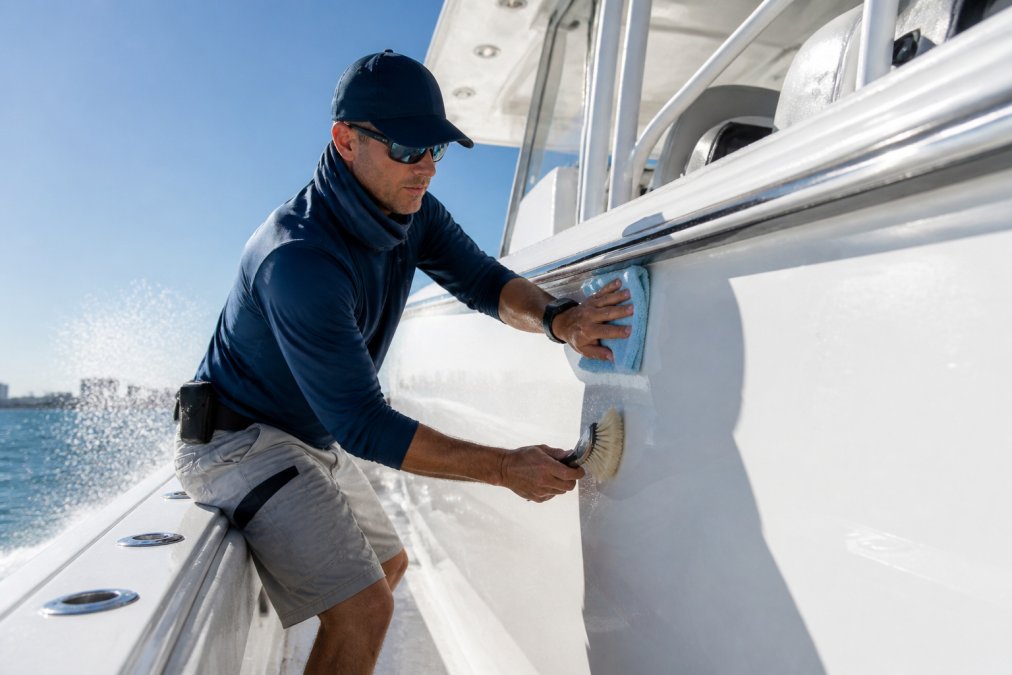
For deeper cleaning, use marine-grade soap formulated for fiberglass. Standard household detergents leave residue and strip protective coatings. Apply soap with a soft brush, work in sections from top to bottom, and rinse thoroughly. A quick 15-minute rinse after every outing beats harsh scrubbing once a month and is the single most cost-effective protection against corrosion.
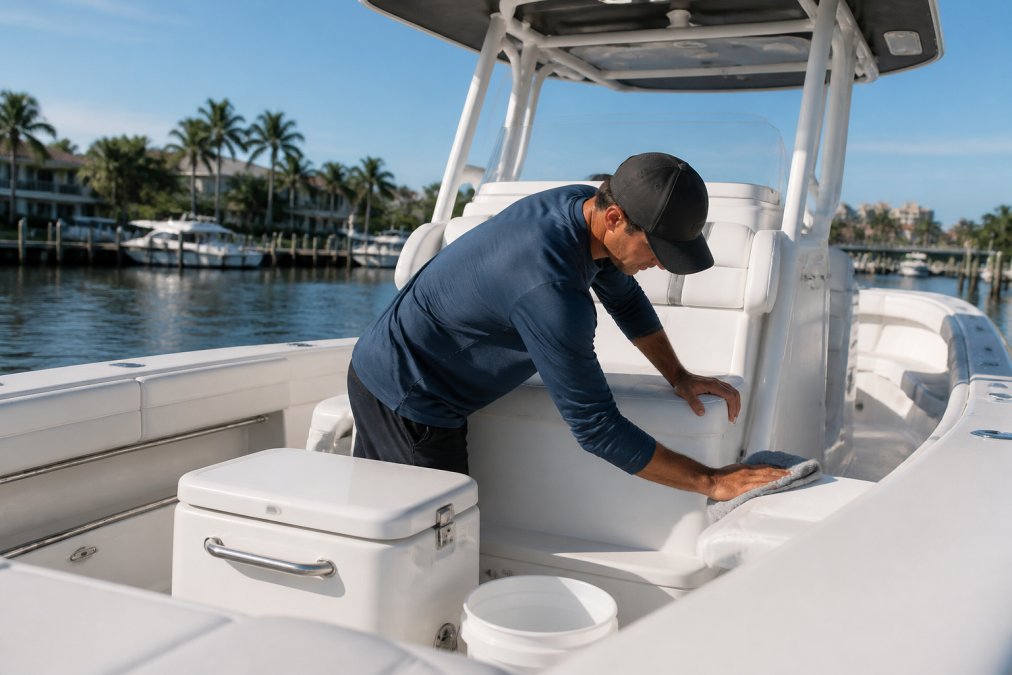
Interior cleaning requires different thinking. Saltwater spray penetrates cabin spaces through ventilation and door seals. Wipe down interior surfaces weekly with fresh water and a damp microfiber cloth to prevent salt accumulation on electronics, upholstery, and wood trim.
Hull and Gelcoat Protection Strategies
Your hull's gelcoat is the first line of defense against UV damage, oxidation, and saltwater penetration. Gelcoat begins to oxidize within months of UV exposure and salt air, appearing chalky and dull. This oxidation signals that your protective layer is compromised; water penetrates oxidized gelcoat, leading to blistering, delamination, and structural weakness.
Marine wax applied every three to four months creates a sacrificial barrier that absorbs UV damage instead of your gelcoat. Use marine-grade wax, not automotive wax, as marine formulations bond differently to fiberglass and resist saltwater degradation longer. Apply wax in thin, even coats using circular motions with a microfiber applicator, then buff with a clean cloth until you see a deep shine.
For owners in South Florida's intense sun, consider UV protectant products specifically designed for marine use. Apply UV protectant every two months during peak season (May through September) and quarterly during off-season months.
Inspect your hull regularly for cracks, chips, or thin or discolored areas. Small damage should be repaired immediately with marine epoxy or gelcoat repair kits. Saltwater accelerates degradation of exposed fiberglass, so don't delay repairs. Professional detailing services deliver superior results and longer-lasting protective coatings compared to DIY approaches.
Outboard Engine Maintenance Schedule
Your outboard engine is the most critical mechanical system on your center console. Establish a maintenance calendar tied to operating hours: most outboard engines require service every 100 operating hours or annually, whichever comes first. Change the oil and filter at each interval; saltwater use accelerates oil degradation.
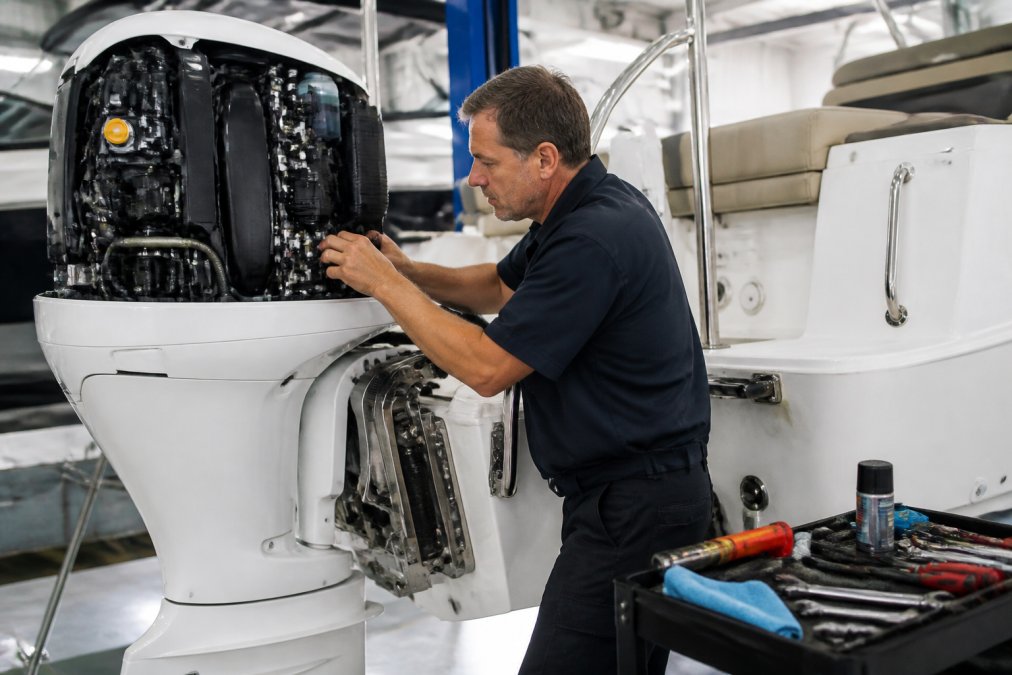
Flush your cooling system with fresh water after every saltwater outing. Connect a freshwater flush adapter to your engine's water intake and run the engine at idle for 10-15 minutes. This prevents costly overheating and corrosion damage.
Inspect sacrificial anodes quarterly. These zinc or aluminum components corrode instead of your engine block, protecting it from galvanic corrosion. Replace them when more than half consumed. Check your fuel system seasonally; saltwater spray and humidity promote water accumulation in fuel tanks. Use fuel stabilizer during storage periods. If you notice water in your fuel, drain the tank completely and refill with fresh fuel.
Inspect your propeller monthly for damage, corrosion, or marine growth. Clean it with a soft brush and fresh water. If you notice bent blades or significant corrosion, have it professionally repaired or replaced.
Professional engine service should happen annually at a qualified marine service facility. Technicians have specialized diagnostic equipment and can identify developing problems before they become failures.
Marine Upholstery Care Tips for High-End Interiors
Marine upholstery faces unique challenges: saltwater spray penetration, UV fading, moisture accumulation, and mildew growth. Wipe down all upholstery weekly with a damp microfiber cloth and fresh water to remove salt residue before it becomes embedded in fabric fibers.
For fabric upholstery, use a marine-grade stain remover formulated for saltwater environments. Apply sparingly, work it in with a soft brush, and blot thoroughly with fresh water. Allow fabric to dry completely to prevent mildew.
Leather requires different treatment. Marine-grade leather conditioner protects against salt damage and UV fading while maintaining suppleness. Apply conditioner every three months to prevent cracking and maintain luxury appearance.
UV fading is inevitable in South Florida's intense sun, but you can slow it significantly. Use UV-protective window treatments or covers when your center console is moored. Mildew prevention requires air circulation; run your bilge pump periodically and open cabin vents during storage. If mildew appears, treat it immediately with a marine mildew remover.
Professional upholstery cleaning and protection services are worthwhile investments. Technicians apply protective coatings that repel salt spray and UV radiation, lasting 12-18 months and significantly reducing staining and fading.
How to Protect Marine Electronics from Salt Air
Modern center consoles feature advanced electronics: GPS/MFD systems, fishfinders, radar, autopilot, and integrated navigation systems. Salt air corrodes electronic components rapidly, creating expensive failures without proper protection.
Salt spray deposits conductive residue on circuit boards and connectors, promoting corrosion and electrical shorts. Install protective covers over exposed antennas, transducers, and external sensors when your boat is moored. Seal all cable penetrations where wiring enters the cabin or passes through the hull using marine-grade sealant.
Inspect all connectors monthly for corrosion or discoloration. If you notice white, green, or blue deposits, disconnect the component and clean the connector with a soft brush and fresh water. Allow it to dry completely before reconnecting.
Ensure your cabin has adequate ventilation and use a marine dehumidifier during storage periods. Some owners install desiccant packs inside electronics cabinets to absorb moisture; replace these seasonally.
Inspect your transducer quarterly for corrosion or damage. If you notice performance degradation, have it professionally inspected. Battery terminals and electrical connections in your engine compartment require seasonal attention. Clean terminals with a soft brush and apply a thin coat of marine-grade dielectric grease.
Electrical System Inspections and Corrosion Prevention
Your center console's electrical system powers everything from navigation to cabin lighting to bilge pumps. Establish a quarterly electrical inspection routine. Check all visible wiring for corrosion, cracking, or discoloration. Look for white or green deposits on terminals and connectors. Test your battery voltage with a multimeter; it should read 12.6 volts or higher when the engine is off.
Sacrificial anodes protect your hull and engine from galvanic corrosion but require monitoring. Inspect anodes monthly during heavy use and replace them when more than half consumed.
Your through-hull fittings are corrosion hotspots. Inspect them quarterly and apply a thin coat of marine grease. If you notice pitting or heavy corrosion, have them professionally replaced.
Test your bilge pump monthly by adding water to the bilge and ensuring the pump activates and removes it completely. A failed bilge pump can lead to water accumulation and serious damage.
Check all accessible wiring for cracks, brittleness, or discoloration. If you notice degraded insulation, have it professionally replaced. Your electrical panel should be sealed against saltwater spray; ensure gaskets around the panel door are intact and replace them if cracked or deteriorated.
Trailer Maintenance and Mechanical System Checks
If you trailer your center console, the trailer itself requires dedicated maintenance. Inspect your trailer frame quarterly for corrosion or cracks, especially at welds and joints where stress concentrates. If you notice deep rust or structural damage, have it professionally welded or replaced.
Your trailer's wheel bearings require seasonal maintenance. Have bearings repacked with marine-grade grease annually to prevent bearing failure during transport.
Brake systems corrode in saltwater environments. If your trailer has hydraulic brakes, have the system flushed and refilled with fresh brake fluid annually. Check tire pressure before every tow when tires are cold and adjust to manufacturer specification. Inspect tires for cracks, bulges, or uneven wear.
The winch that secures your boat to the trailer requires monthly inspection. Check cable for fraying, corrosion, or damage. Ensure the winch operates smoothly and holds the boat securely.
Test all lights (brake, running, and turn signals) before each tow. If lights don't function, inspect connectors for corrosion and clean them with fresh water. Apply dielectric grease to connector pins to prevent future corrosion.
Professional vs. DIY Maintenance: What Owners Should Know
The decision between professional service and DIY maintenance depends on your skill level, available time, and work complexity. Routine cleaning and basic rinses are ideal DIY tasks. However, engine service, electrical repairs, and structural repairs should be handled by professionals.
Engine maintenance presents a good middle ground. Oil changes and filter replacement are DIY-friendly if you're mechanically inclined. More complex diagnostics, fuel system work, and internal engine repairs should go to a qualified marine technician.
Electrical work is where DIY becomes risky. Saltwater corrosion creates complex diagnostics requiring specialized equipment. Battery replacement and basic fuse work are acceptable DIY tasks; everything else should go to professionals.
Structural repairs, gelcoat damage, fiberglass cracks, or through-hull fitting replacement demand professional expertise. These repairs affect boat safety and resale value.
Professional service costs money upfront but prevents expensive emergency repairs later. A professional catches developing problems during routine inspections. We recommend establishing a relationship with a qualified marine service facility that understands luxury center console construction.
The luxury center console yacht maintenance tips that matter most are consistency and professional oversight. Establish a maintenance schedule, stick to it religiously, and trust professionals with specialized work. This approach protects your investment, ensures reliability during offshore conditions, and maintains the resale value that defines luxury yacht ownership.
Maintaining a luxury center console requires discipline, knowledge, and professional support. The investment you make in preventative maintenance pays dividends through reliable performance, preserved resale value, and safe offshore operation. Primo Yachts of Palm Beach specializes in helping center console owners understand their vessels' unique maintenance demands. Our team has guided owners through proper care routines since 2009, ensuring their premium vessels perform reliably in South Florida's challenging saltwater environment. Contact Primo Yachts of Palm Beach to discuss a maintenance strategy tailored to your specific vessel and usage patterns.
Frequently Asked Questions
How often should you service outboard engines on a luxury center console?
Outboard engines typically require service every 100 operating hours or annually, whichever comes first. Luxury center console owners in saltwater environments should consider more frequent inspections due to corrosion exposure. Spring commissioning and fall winterization are critical maintenance windows. Consult your engine manufacturer's specific guidelines and consider professional servicing for complex systems to ensure optimal performance and warranty compliance.
What is the most important maintenance on a luxury yacht?
Freshwater flushing after saltwater use is the single most critical task for luxury center consoles. This prevents corrosion of the engine cooling system, sacrificial anodes, and marine electronics. Equally vital is regular electrical system inspection and UV protectant application to gelcoat and upholstery. These three practices, freshwater flushing, electrical checks, and UV protection, form the foundation of preventative maintenance and directly extend your vessel's lifespan and resale value.
What are the best cleaning products for high-end marine gelcoat and upholstery?
Use marine-grade cleaners specifically formulated for gelcoat and avoid harsh dish soaps that strip protective coatings. Microfiber cloths and soft-bristle brushes prevent scratching the factory finish. For upholstery, select products designed for marine-grade fabrics to prevent mildew and UV damage. After cleaning, apply marine wax and UV protectant to exposed surfaces. Always test products on inconspicuous areas first, and rinse thoroughly with freshwater to remove salt residue and cleaning agents.
How do you prevent corrosion on luxury boat electronics and hardware?
Saltwater corrosion attacks marine electronics and metal hardware rapidly. Install sacrificial anodes on underwater fittings and inspect them quarterly. Apply dielectric grease to electrical connectors and MFD transducers to create a moisture barrier. Perform freshwater flushes after every saltwater outing, especially through the engine cooling system. Store electronics under protective covers when the boat is idle, and consider a dehumidifier in the cabin during off-season storage. Professional annual inspections catch corrosion early before it damages expensive systems.
This article was written using GrandRanker