 ultimate-guide
Yacht Insurance for New Owners: A Florida Guide
Table of Contents
- Is Boat Insurance Legally Required in Florida?
- Liability Coverage vs. Hull Coverage: What You Need to Know
- Average Cost of Boat Insurance and Premium Factors
- Marine Insurance Hurricane Deductibles Explained
- Agreed Value vs. Actual Cash Value Boat Insurance
- Marina, Lender, and Survey Requirements for Yacht Owners
- Navigational Limits, Cruising Territory, and Special Coverage Needs
- Frequently Asked Questions
Last Updated: September 27, 2026
When you're ready to buy your first yacht in Florida, the yacht insurance Florida question feels straightforward. Then you start digging into the details and realize there's a lot more to understand than just "Do I need it?"
At Primo Yachts of Palm Beach, we've guided new owners through this exact process since 2009. The difference between a policy that protects you and one that leaves gaps often comes down to understanding what's actually required, what your lender demands, and what makes sense for how you'll actually use your vessel. This guide covers the essentials of navigating Florida yacht insurance requirements for new owners so you can make informed decisions before you take delivery.
Is Boat Insurance Legally Required in Florida?
Florida doesn't mandate boat insurance the way states require auto insurance. You can legally own and operate an uninsured vessel on state waters without violating any state statute.
That said, this legal freedom doesn't mean you should skip insurance. If you financed your yacht, your lender will require it as a condition of the loan. Most marinas also demand proof of liability coverage before they'll rent you a slip. The real question isn't whether insurance is legal, it's whether going without it makes financial sense. One accident involving another vessel, property damage, or an injury claim can wipe out your investment and expose you to personal liability far beyond the boat's value.
Liability Coverage vs. Hull Coverage: What You Need to Know
These two coverage types protect different things, and most yacht owners need both.
Liability coverage handles claims when you're found responsible for injuring someone or damaging their property. If your yacht hits another boat in a marina or a passenger gets hurt on your deck, liability pays for their medical bills, lost wages, and legal defense. It covers bodily injury and property damage separately, and the limits you choose (typically $100,000 to $1,000,000+) determine how much the policy will pay.
Hull and machinery coverage protects your actual vessel. It covers collision damage, weather damage, theft, vandalism, and mechanical breakdown. You typically choose between two valuation methods here: agreed value, where you and the insurer decide upfront what the boat is worth, or actual cash value, where the insurer pays based on what it's worth at the time of loss. Hull coverage requires you to pay a deductible (often $1,000 to $2,500) when you file a claim.
Most lenders require both types. Liability alone leaves your vessel completely unprotected, which the lender won't accept as collateral security. The combination gives you a complete safety net: liability handles claims from others, and hull coverage protects your investment.
Average Cost of Boat Insurance and Premium Factors
Insurance costs vary widely based on several factors that insurers evaluate carefully.
Vessel length matters significantly, a 35-foot center console costs more to insure than a 25-footer because larger boats represent higher liability exposure and replacement cost. Your boating experience and captain's credentials affect premiums too. Operators with formal boating education or captain's certifications often qualify for discounts. The waters you plan to navigate also influence pricing. Boats used only in protected inland waters cost less than those taking offshore fishing trips or extended cruising.
Your claims history and credit score play roles as well. Insurers view these as indicators of risk. A clean record and good credit typically mean lower premiums. The type of vessel matters, center consoles, express cruisers, and fishing boats have different risk profiles. Powerboats generally cost more to insure than sailboats of similar size because they're used for higher-speed activities.
Hurricane deductibles in Florida can significantly affect your annual premium. During hurricane season, choosing a higher deductible (say $5,000 instead of $1,000) lowers your regular premium but means you'd pay more out of pocket if a named storm damages your boat.
Rather than asking "What does boat insurance cost?", which varies too much to answer generally, ask your insurer for a quote based on your specific vessel, experience, and intended use. This gives you actual numbers for comparison.
Marine Insurance Hurricane Deductibles Explained
Yacht insurance Florida almost always includes a separate hurricane deductible that's different from your regular deductible.
Here's how it works: your standard deductible might be $1,000 for collision or weather claims. But during hurricane season (June through November), if a named storm damages your boat, you'll pay a much higher deductible, often $5,000, $10,000, or even a percentage of your boat's insured value (like 5% or 10%). This separate deductible only applies to damage caused by hurricanes or tropical storms.
Insurers use this structure because hurricane season creates concentrated risk. A single major storm can generate thousands of claims across a wide geographic area, so carriers offset that exposure by requiring owners to absorb more of the loss themselves during high-risk months. Understanding these deductible adjustments remains vital for owners who must navigate the complexities of handling insurance claims after a catastrophic weather event occurs.
You can sometimes reduce your hurricane deductible by paying a higher annual premium, or increase it to lower your regular premium. Some owners choose high hurricane deductibles if they plan to haul their boat out of the water during the season or keep it in a protected location. Others accept higher premiums for lower deductibles if they want to keep the boat in the water and minimize their out-of-pocket exposure.
Understanding your specific hurricane deductible is critical before you buy. Ask your insurer exactly what coverage applies during named storms and what you'd actually pay if a hurricane caused damage while your boat was in service.
Agreed Value vs. Actual Cash Value Boat Insurance
These two valuation methods determine how much your insurer will pay if your boat is damaged or destroyed.
With agreed value coverage, you and the insurer settle on a specific dollar amount before you buy the policy. If your 2023 center console is insured for $450,000 under agreed value, that's what you'll receive if it's totaled, assuming no fraud and the boat was maintained as required. This method protects you from depreciation arguments. The insurer can't claim your boat is worth less than you agreed just because the market shifted.
Actual cash value coverage pays what the boat is worth at the time of loss, minus depreciation. If that same center console depreciates to $400,000 by the time it's damaged, you'd receive $400,000, not the $450,000 you might have expected. The insurer determines current value, which can lead to disputes.
Most yacht owners prefer agreed value because it's predictable and protects against depreciation. Lenders often require it too, since it ensures they'll recover their loan amount if the boat is lost. Agreed value typically costs more in premium, but the certainty is worth it for vessels you're financing.
To establish agreed value, you'll need a marine survey (an independent assessment of the boat's condition and market value). Insurers use this survey to justify the agreed value figure. Without it, they may refuse to offer agreed value coverage or may set limits on how high the value can go.
Marina, Lender, and Survey Requirements for Yacht Owners
Most marinas require proof of liability insurance before they'll rent you a slip, and many specify minimum coverage limits, typically $300,000 to $1,000,000 depending on the marina's size and clientele.
Your lender will have its own requirements. They'll demand hull and machinery coverage with agreed value, naming the lender as loss payee on the policy. This means if the boat is damaged, the insurance payment goes to the lender first to cover the loan balance. You receive any remaining funds. Lenders also require that you maintain the insurance continuously throughout the loan term and notify them immediately if coverage lapses.
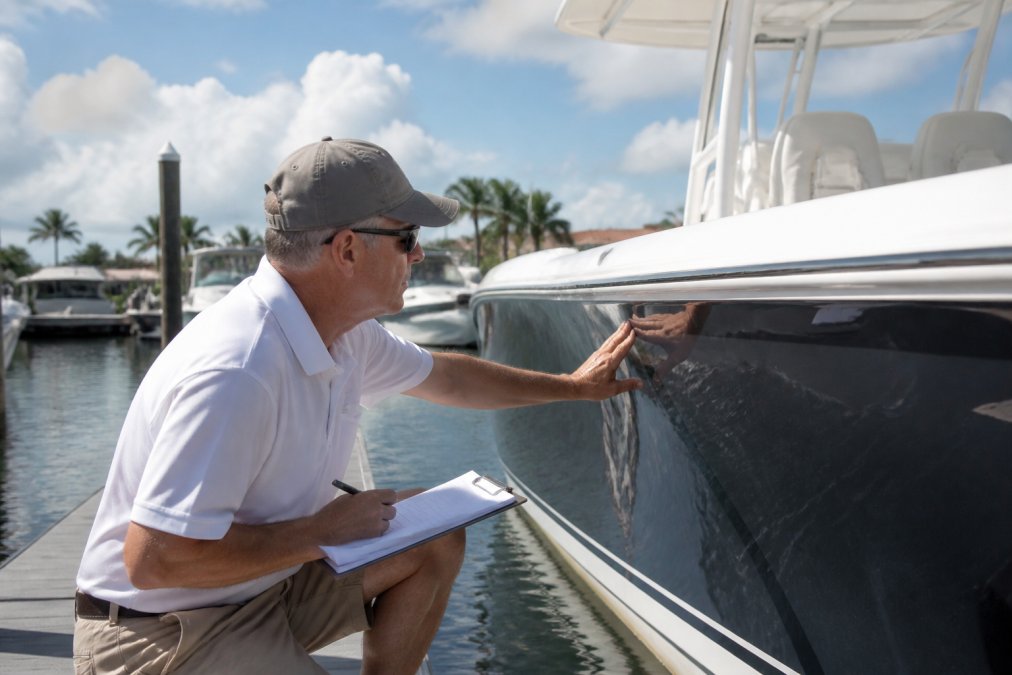
A marine survey becomes important when you're establishing agreed value or when your lender requires one. The surveyor inspects the vessel's hull, engine, systems, and overall condition, then produces a detailed report with a valuation recommendation. This survey justifies the agreed value amount to the insurer and protects both you and the lender by documenting the boat's condition at the time of purchase.
For newer boats (typically under 5 years old), some insurers may waive the survey requirement or accept the manufacturer's specifications.
Navigational Limits, Cruising Territory, and Special Coverage Needs
Your insurance policy defines where you can legally operate the boat and what coverage applies in different areas.
| Coverage Type | What It Protects | When You Need It |
|---|---|---|
| Liability | Claims from injuries or damage you cause | Always (lender requires it) |
| Hull and Machinery | Your vessel's damage or loss | Always (lender requires it) |
| Hurricane Deductible | Reduces your out-of-pocket during named storms | Florida-based boats, seasonal consideration |
| Agreed Value | Protects against depreciation in valuation | When financing; older vessels |
| Salvage and Wreck Removal | Costs to recover a disabled or sunken boat | Year-round operation in deep water |
| Extended Cruising Territory | Coverage beyond standard geographic limits | Offshore fishing; extended cruising plans |
| Uninsured Boater | Protection if another uninsured boat hits you | Frequent operation in crowded waters |
Frequently Asked Questions
What is the average cost of boat insurance in Florida?
Boat insurance costs depend on vessel type, size, age, use, and coverage limits. Center consoles and offshore fishing vessels typically cost more to insure than smaller recreational boats. Factors like your boating experience, safety equipment, and navigational territory also affect premiums. Contact insurers directly for quotes tailored to your specific yacht and usage patterns.
What is the difference between agreed value and actual cash value boat insurance?
Agreed value policies pay a predetermined amount you and your insurer establish upfront if your boat is declared a total loss. Actual cash value policies pay the boat's depreciated market value at the time of loss. For premium yachts, agreed value typically offers better protection since it locks in value before depreciation occurs.
How do hurricane deductibles impact my yacht insurance costs?
Hurricane deductibles are separate, higher deductibles that apply specifically to named storm damage. A typical hurricane deductible might be 2-5% of your hull value, compared to standard deductibles of $500-$1,000. Choosing a higher hurricane deductible lowers your annual premium but increases your out-of-pocket cost if a hurricane damages your vessel. New owners should understand this trade-off before selecting coverage.
Do I need a marine survey to get yacht insurance?
A survey documents the vessel's condition, systems, and safety features, which insurers use to assess risk and determine coverage. This requirement protects both you and the insurer by establishing the boat's actual condition at the start of coverage.