 how-to
How to Appraise and Value a Yacht: A Step-by-Step Guide
Table of Contents
- Understanding Yacht Appraisal vs. Market Valuation
- Factors That Influence Yacht Value
- The Role of a Certified Marine Appraiser
- Conducting a Comparative Market Analysis for Your Vessel
- Understanding Yacht Depreciation Schedules
- Marine Survey Costs and What to Expect
- Preparing Your Yacht for Valuation and Appraisal
- Conclusion
Last Updated: August 13, 2026
Understanding Yacht Appraisal vs. Market Valuation
A yacht appraisal is a formal assessment of a vessel's value conducted by a certified professional for specific purposes like insurance, financing, or estate planning. Market valuation, by contrast, is the estimated price at which a yacht would likely sell in the current market based on comparable sales and demand. These aren't the same thing, and understanding the difference is critical before you list, refinance, or insure your vessel.
At Primo Yachts of Palm Beach, we work with yacht owners who need clarity on both. An appraisal is a snapshot at a moment in time, tied to specific conditions and purposes. Market valuation is fluid, responsive to buyer demand, seasonal trends, and the broader economic environment. You might have a yacht appraised at $800,000 for insurance purposes, but the market might value it at $650,000 if similar vessels are sitting on the market unsold.
The practical difference matters. If you're refinancing, your lender will require an appraisal. If you're selling, market valuation tells you what price to list at. If you're insuring, the appraisal protects your investment. Conflating the two leads to overpriced listings, rejected loan applications, or underinsured assets.
Factors That Influence Yacht Value
Vessel condition is the single largest determinant of value. A well-maintained hull with current survey records, functioning systems, and updated equipment commands premium pricing. Deferred maintenance, corrosion, outdated electronics, or structural concerns can reduce value significantly. Buyers and appraisers examine the maintenance records closely, they're looking for evidence of consistent care or signs of neglect.
The vessel's age and construction quality matter substantially. A 15-year-old center console built by a respected manufacturer with strong resale history holds value better than a newer vessel from an unfamiliar builder. Brand reputation, hull design, and build materials all factor into how quickly a yacht depreciates. Fiberglass hulls depreciate differently than aluminum, and offshore-capable designs retain value better than coastal-only platforms.
Market demand fluctuates with economic conditions, fuel prices, and seasonal patterns. Spring and early summer see higher buyer activity and stronger prices. Winter demand softens. During economic downturns, luxury yacht values compress. A vessel worth $900,000 in 2025 might appraise at $750,000 in 2026 if the broader market has contracted.
Engine hours and propulsion system condition directly affect value. A yacht with low-hour engines or recent repower commands higher pricing than one with 3,000+ hours on original engines. Fuel consumption efficiency, noise levels, and emissions compliance all influence buyer perception and market value.
The vessel's equipment package, navigation systems, fishing electronics, entertainment systems, safety gear, adds or subtracts value depending on age and functionality. Modern integrated systems increase value; outdated or non-functioning equipment reduces it. Upgrades and refits can improve value if they're done professionally and documented properly, but DIY modifications often detract.
Location and service history matter. A yacht with a documented history of professional maintenance at recognized service centers appraises higher than one with sporadic, unknown service. Vessels kept in harsh environments or those with accident history carry valuation discounts.
The Role of a Certified Marine Appraiser
A certified marine appraiser is a licensed professional trained to assess vessel condition, value, and marketability according to established standards. They conduct detailed inspections, review comparable sales data, and produce formal appraisal reports accepted by lenders, insurance companies, and courts.
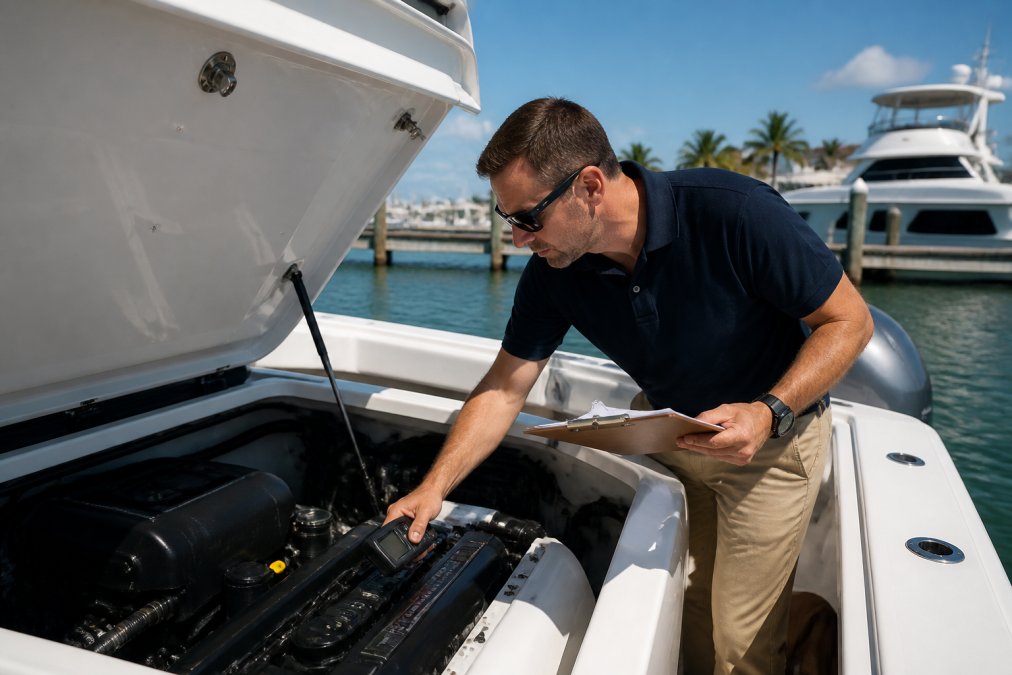
The appraiser's role is critical because they're independent, they have no stake in whether your vessel appraises high or low. They examine the hull, engine room, electrical systems, plumbing, structural integrity, and equipment functionality. They measure the vessel, verify the hull identification number, and research comparable sales in your market segment.
A thorough appraisal takes 4-8 hours depending on vessel size and complexity. The appraiser produces a detailed report documenting condition, findings, and the valuation conclusion. This report becomes the official record, it's what your lender, insurer, or buyer relies on.
Certification matters. Look for appraisers certified by organizations that maintain standards and require continuing education. They've demonstrated competency and agree to ethical practices. An uncertified "valuation" from someone without formal training or credentials carries no weight with lenders or insurers.
The cost of hiring a certified marine appraiser varies, but the investment protects you from costly surprises. A professional appraisal prevents disputes during sale negotiations, ensures your insurance coverage matches actual value, and provides documentation for financing or estate purposes.
Conducting a Comparative Market Analysis for Your Vessel
A comparative market analysis (CMA) is the process of examining recently sold comparable vessels to determine fair market value. This is how brokers and appraisers establish what your yacht should realistically sell for in the current market.
Start by identifying comparable vessels: same or similar make/model, similar age, comparable size, similar condition and equipment. Look at vessels that sold in the last 6-12 months in your geographic market. Price data older than a year is less reliable because market conditions shift.
Examine the transaction details. Did the vessel sell at asking price, or was there negotiation? Was the sale between unrelated parties at arm's length, or was it a private deal? Distressed sales (forced liquidation, estate sales) often occur below fair market value and shouldn't anchor your analysis. Strong sales by motivated sellers at fair prices are your best data points.
Document the specifics: asking price, selling price, days on market, condition at sale, equipment package, service history, and any significant repairs or upgrades. A vessel that sold quickly at asking price signals strong market positioning. One that lingered for months before selling below asking suggests overpricing or condition issues.
Build a range rather than a single number. If comparable center consoles in your size and condition sold between $650,000 and $750,000, your vessel likely falls within that range. The actual position within that range depends on your specific condition, equipment, and service history relative to the comps.
Market trends matter. If comparable sales are trending downward month-to-month, the market is softening. If they're trending up, demand is strengthening. A CMA conducted in March might not reflect June market conditions.
This is where specialized knowledge becomes valuable. Primo Yachts of Palm Beach maintains transaction data on center console sales across the region. We understand which models hold value, which equipment packages command premiums, and how seasonal demand affects pricing. That intelligence informs realistic valuations.
Understanding Yacht Depreciation Schedules
A yacht depreciation schedule is a method of estimating how a vessel's value declines over time based on age, usage, and market conditions. Unlike automobiles with predictable depreciation curves, yachts depreciate unevenly depending on numerous factors.
New yachts typically lose 15-20% of value in the first year, a steeper drop than subsequent years. This initial depreciation reflects the transition from "new" to "pre-owned" status and is driven partly by psychological factors (buyers perceive new as more valuable) and partly by actual condition changes as systems are broken in.
After the first year, depreciation typically moderates to 5-10% annually for well-maintained vessels. A 5-year-old yacht in excellent condition might retain 60-70% of its original purchase price. A 10-year-old vessel in comparable condition might retain 40-50%.
These are rough guidelines, not universal rules. A center console from a respected builder with strong market demand might depreciate slower. A niche model with limited buyer interest might depreciate faster. An offshore-capable design that appeals to a broad market holds value better than a specialized fishing platform with limited appeal.
Maintenance history dramatically affects depreciation. A vessel with documented professional service, regular haul-outs, and proactive system upgrades depreciates more slowly than one with deferred maintenance and sporadic care. The difference between a well-maintained and poorly-maintained 10-year-old vessel can be 20-30% of value.
Market conditions compress or expand depreciation rates. During economic downturns, even well-maintained yachts depreciate faster because buyer demand contracts. During strong economic periods with healthy buyer interest, depreciation slows.
The practical application: if you're considering a purchase, understand the depreciation trajectory of that model and condition. If you're planning to sell, factor in realistic depreciation from purchase price to current market value. If you're insuring, base coverage on current market value, not original purchase price.
Marine Survey Costs and What to Expect
A marine survey is a detailed inspection of a vessel's condition, systems, and seaworthiness. It's distinct from an appraisal (which focuses on value) and serves purposes like pre-purchase inspection, insurance requirements, or financing conditions.
Marine survey costs depend on vessel size, age, complexity, and the surveyor's experience level. A basic survey of a 35-foot center console typically ranges from several hundred to over a thousand dollars. More comprehensive surveys, especially for older or complex vessels, cost more. The investment is worthwhile, a survey often uncovers deferred maintenance or system issues that affect negotiation or future ownership costs.
Surveyors examine the hull for cracks, blistering, or structural issues. They inspect the engine room, electrical systems, plumbing, fuel systems, and safety equipment. They test through-hull fittings, check for corrosion, verify that systems function, and document findings in a detailed report.
The survey report becomes critical documentation. Buyers use it to negotiate repairs or price reductions. Insurers use it to understand risk and set coverage. Lenders may require a survey before financing.
Timing matters. A survey conducted during the selling process protects the buyer but also reveals issues that can kill a deal or force price negotiations. A pre-listing survey lets you address issues proactively and market the vessel more confidently. A survey at haul-out time captures condition issues that might be hidden when the vessel is in the water.
Preparing Your Yacht for Valuation and Appraisal
Presentation significantly influences appraisal outcomes. A clean, well-organized vessel with visible maintenance records and functioning systems appraises higher than one that's neglected or disorganized.
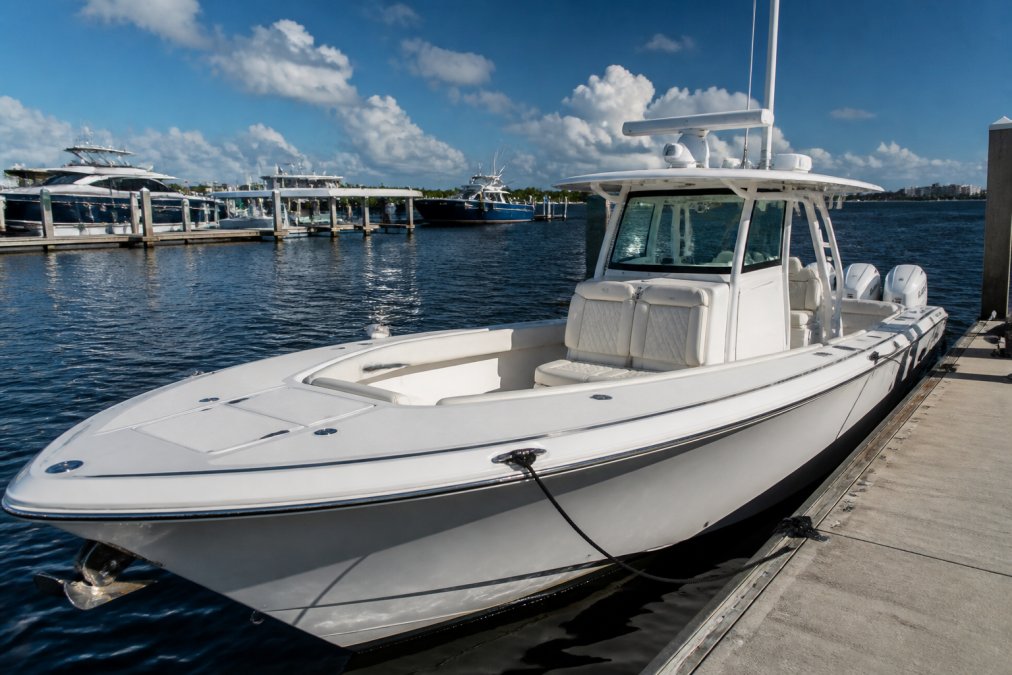
Start with basic presentation. Clean the hull, deck, and interior thoroughly. Polish stainless steel. Repair obvious cosmetic issues like torn upholstery, cracked gauges, or non-functioning lights. These details signal whether the vessel has been cared for.
Organize your maintenance records. Compile service logs, haul-out records, engine hour documentation, system upgrades, and any major repairs. Appraisers and buyers want evidence of consistent professional maintenance. Disorganized or missing records raise questions about whether the vessel was actually maintained.
Ensure all systems function. Test the engines, generators, air conditioning, navigation systems, and safety equipment. Non-functioning systems reduce value and extend appraisal time. A functioning vessel appraises faster and higher.
Document any recent upgrades or refits. New upholstery, engine work, electronics upgrades, or structural repairs should be photographed and documented with receipts. Professional work adds value; DIY modifications often don't.
Have any known issues repaired before appraisal. A small leak that you know about but haven't fixed becomes a red flag during inspection. A $500 repair done proactively is better than a $5,000 valuation discount because the appraiser found it.
Make the vessel accessible. Clear the engine room so the appraiser can inspect thoroughly. Remove personal items from cabins. Ensure the appraiser can access all systems and compartments.
Schedule the appraisal during favorable conditions. Calm weather and daylight make inspection easier and faster. An appraiser rushing through a survey in poor conditions is more likely to miss nuance or make conservative valuations.
Provide the appraiser with relevant documentation upfront: registration, title, engine hours, previous survey reports, and known defects or repairs. This context helps them understand the vessel's history and condition.
Conclusion
Accurate yacht appraisal and valuation requires understanding the distinction between formal appraisals and market-driven valuations, recognizing the factors that influence value, and preparing your vessel for professional assessment. Whether you're refinancing, insuring, or preparing to sell, the investment in professional appraisal and thorough preparation protects your interests and prevents costly surprises.
Primo Yachts of Palm Beach brings specialized expertise navigating yacht valuations and market dynamics in the center console segment. Our team understands how vessel condition, maintenance history, and market positioning affect both appraisal outcomes and selling success. Get started with a consultation to understand your yacht's current market position and the steps needed to maximize value.
Frequently Asked Questions
What is the difference between a yacht appraisal and a market valuation?
A yacht appraisal is a formal, documented assessment conducted by a certified marine appraiser that establishes fair market value for insurance, financing, or legal purposes. A market valuation reflects what your vessel would likely sell for in current market conditions based on comparable sales and demand. Appraisals follow standardized methodologies and carry professional credibility, while market valuations are more fluid and responsive to seasonal trends and buyer activity.
How does a certified marine appraiser determine yacht value?
A certified marine appraiser uses three primary approaches: the cost approach (replacement cost minus depreciation), the income approach (if the vessel generates revenue), and the comparative market analysis (comparing your yacht to recent sales of similar vessels). They examine vessel specifications, condition, maintenance records, equipment inventory, hull identification number, and market intelligence to produce a detailed appraisal report that justifies the valuation.
What factors contribute most to a yacht's market value?
Vessel age, length, and condition are primary drivers of yacht market value. The refit history and any capital improvements significantly impact resale value. Engine hours, maintenance records, and equipment quality matter substantially. Market trends, seasonal demand, and broader market saturation also influence pricing. A well-maintained vessel with documented service history and recent upgrades commands premium pricing compared to comparable boats with deferred maintenance.
Do I need a professional marine survey for yacht valuation?
For accurate fair market value assessment and financing purposes, a professional marine survey is essential. Lenders typically require one before approving yacht loans. Even for private sales, a survey protects both buyer and seller by documenting vessel condition and identifying potential issues. A certified marine appraiser can conduct or coordinate the survey as part of the appraisal process, ensuring comprehensive documentation of the yacht's true condition.
This article was written using GrandRanker