 ultimate-guide
What to Look for in a Yacht Brokerage: A Buyer's Guide
Table of Contents
- What to Look for in a Brokerage: The Foundation
- Specialization and Market Expertise
- Understanding Yacht Broker Commission Rates
- Benefits of Using a Yacht Broker
- The Yacht Central Agency Agreement Explained
- Technology, Marketing Support, and Lead Generation
- Compliance, Credentials, and Red Flags
- Conclusion
Last Updated: August 19, 2026
What to Look for in a Brokerage: The Foundation
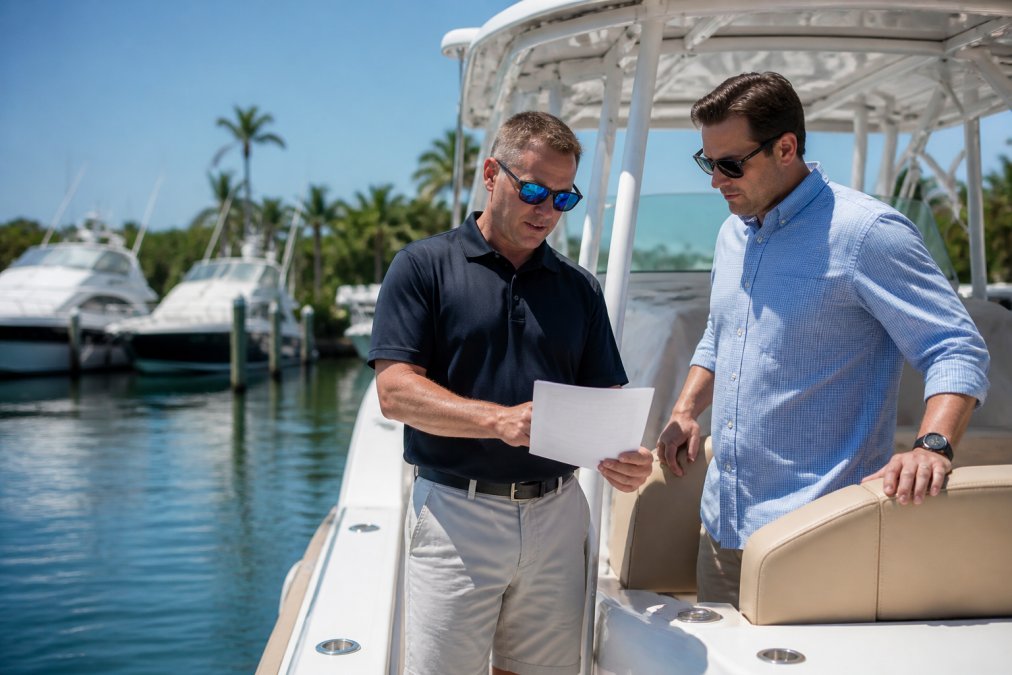
Selecting the right yacht brokerage is one of the most consequential decisions you'll make in the marine market. Whether you're buying your first center console or selling a premium vessel, the brokerage you choose shapes everything that follows: how quickly your boat sells, what price you achieve, the quality of support you receive, and whether the entire process feels professional or frustrating.
The stakes are high because yacht transactions involve substantial capital, complex logistics, and the need for specialized knowledge. A general real estate broker or a marine broker who dabbles in everything won't serve you the way a specialist will. At Primo Yachts of Palm Beach, we understand that center console owners and serious offshore fishing enthusiasts have specific needs that demand focused expertise.
What to look for in a brokerage starts with understanding what separates a broker who simply lists boats from one who actively sells them. Many brokers maintain large inventories but lack the market knowledge to match buyers with the right vessel. Others understand boats but don't have the buyer network to move inventory. The best brokerages combine deep market expertise, active buyer relationships, and transparent business practices.
This guide walks you through the key factors that determine whether a brokerage will serve your interests or leave you frustrated. We'll cover commission structures, specialization, technology capabilities, compliance, and the red flags that signal you should look elsewhere.
Specialization and Market Expertise
The most important factor in what to look for in a brokerage is whether the broker specializes in your market segment. A broker who handles everything from sailboats to mega yachts to fishing vessels won't have the focused knowledge you need to make smart decisions about center consoles or offshore fishing boats.
Specialization matters because the market dynamics, buyer profiles, pricing patterns, and technical requirements differ dramatically across vessel types. A center console designed for offshore fishing has entirely different considerations than a luxury cruising yacht. A broker who specializes in center consoles understands hull designs, engine options, fuel efficiency, sea state performance, and the specific features that matter to serious fishermen. They know which models hold value, which have known issues, and what buyers in this segment actually want.
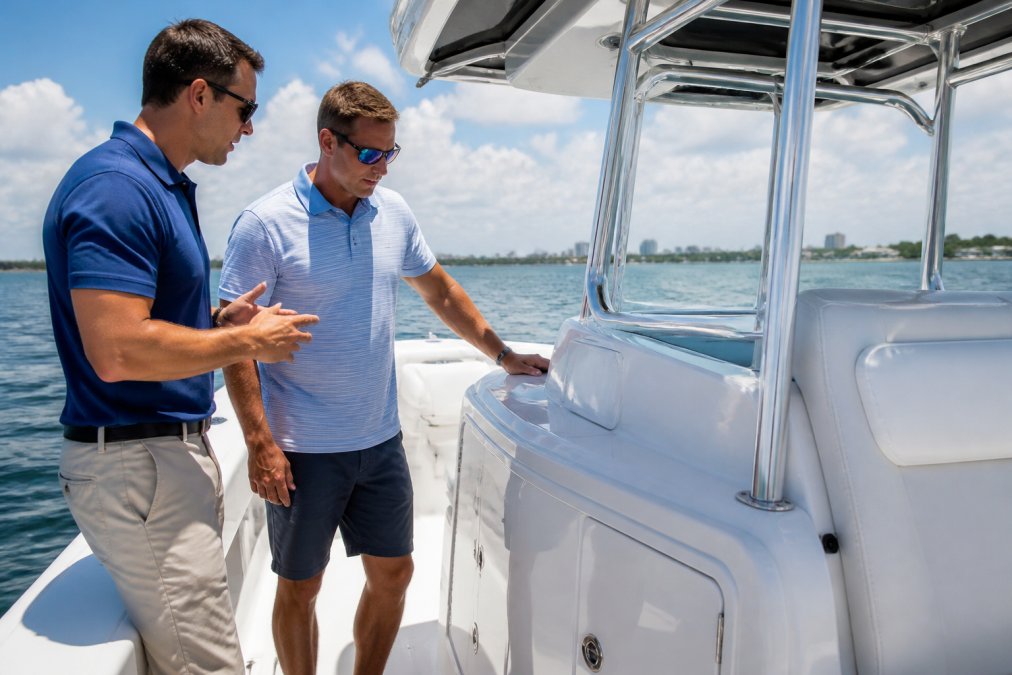
When evaluating a brokerage, ask directly: What percentage of your inventory is center consoles? How long have you been specializing in this market? Can you name three recent sales of similar vessels? A broker with genuine expertise will answer confidently with specific examples. They'll be able to discuss market trends, pricing cycles, and buyer demand without hesitation.
Specialization also translates to mentorship and guidance. A specialized broker can advise you on whether a particular vessel matches your fishing style, sea conditions, and budget. They understand trade-offs between different models and can explain why one boat might be better suited to your needs than another. This advisory role is invaluable, especially for buyers new to the market or sellers uncertain about their boat's positioning.
The brokerage's market presence matters too. How well-known are they in the center console community? Do captains, fishing guides, and serious boaters recognize their name? A brokerage that's built reputation through specialization will have stronger buyer networks and faster sales because their brand signals quality and expertise to the right audience.
Understanding Yacht Broker Commission Rates
Commission structure is one of the most misunderstood aspects of what to look for in a brokerage. Many sellers focus exclusively on the percentage rate without understanding how commissions actually work, which leads to poor decisions.
Yacht broker commission rates typically operate on a split structure. The listing broker and the selling broker each receive a portion of the total commission. This means if you list with one brokerage, they earn a commission when another broker brings a buyer. If they bring their own buyer, they earn the full commission. Understanding this structure helps you evaluate whether a brokerage has incentive to actively market your boat or simply wait for other brokers to bring buyers.
Some brokerages use transaction-based commission splits, where the percentage changes based on volume or performance thresholds. Others offer flat-fee arrangements or tiered structures based on vessel price. A reputable brokerage will explain their full commission schedule upfront, including any desk fees, marketing costs, or additional charges.
What matters more than the headline percentage is the brokerage's actual selling performance. A broker charging slightly higher commission who sells your boat in three months is far better than one charging lower commission who takes a year or never sells it at all. Ask prospective brokers: What's your average days-on-market for center consoles in this price range? What percentage of listed boats actually sell? These metrics reveal whether they're effective or simply collecting listings.
Be cautious of brokerages that promise unusually low commissions without explaining how they'll market your boat or generate buyer interest. Commission covers marketing, professional photography, listing management, showings, and negotiation support. A brokerage that cuts commission too aggressively often cuts the marketing effort that actually moves inventory.
Benefits of Using a Yacht Broker
Some sellers consider selling their boat privately to avoid paying commission. This perspective misses the fundamental value that a professional brokerage provides.
A yacht broker brings buyer networks that private sellers simply don't have access to. Brokers maintain relationships with qualified buyers actively looking for vessels in specific categories. They know which buyers are looking for offshore fishing boats, which are interested in day-cruising, and which have the capital to move quickly on premium inventory. When you list with a specialist brokerage, your boat gets exposure to this curated buyer network immediately.
Professional brokers also handle the operational complexity of yacht transactions. They manage the brokerage account structure, coordinate surveys and inspections, facilitate financing arrangements, and handle closing documentation. These processes involve regulatory compliance, insurance coordination, and technical details that trip up private sellers. A broker's experience prevents costly mistakes and ensures the transaction closes smoothly.
Marketing support is another critical benefit. Professional brokerages invest in photography, videography, and digital marketing that makes your boat stand out. They create compelling listings, manage multiple platforms, and handle inquiries professionally. A private seller posting a few photos on a generic website won't achieve the same visibility or buyer quality.
Brokers also provide price guidance based on recent comparable sales and market conditions. They help you price competitively to attract serious buyers while maximizing value. This advisory role prevents the common mistakes of overpricing (which kills buyer interest) or underpricing (which leaves money on the table).
The negotiation process is smoother with a broker representing you. Brokers handle offers, counteroffers, and deal terms professionally, which keeps emotions out of the process and protects your interests. They know standard terms, can spot problematic contract language, and negotiate on your behalf.
The Yacht Central Agency Agreement Explained
The yacht central agency agreement is the formal contract between you and your brokerage. Understanding what to look for in a brokerage includes understanding this agreement thoroughly before you sign.
A central agency agreement gives one brokerage exclusive right to represent your boat for sale. This is the standard arrangement in professional yacht brokerage. The agreement specifies the listing period (typically 90 days with renewal options), commission rate, marketing responsibilities, and termination conditions.
Key terms to review carefully: What happens if you need to exit the agreement early? Is there a cancellation fee? Does the brokerage have an exclusive right to sell, or can you sell privately without owing commission? How long does the brokerage's commission rights extend after the agreement ends (the "tail" period)? These details matter significantly if circumstances change.
The agreement should clearly define the brokerage's marketing obligations. What platforms will your boat be listed on? Will they provide professional photography and video? How frequently will listings be updated? A vague agreement that doesn't specify marketing support is a red flag.
Commission terms should be explicit. What percentage does the brokerage earn? Does this change if they bring their own buyer? Are there any additional fees for listing, marketing, or administrative costs? Hidden fees buried in fine print are a common complaint about poor brokerage relationships.
The agreement should also address your responsibilities. Are you obligated to keep the boat in specific condition? Do you need to provide access for showings? What happens if the boat needs repair during the listing period? Clear expectations prevent disputes later.
Before signing any central agency agreement, have an attorney review it if the transaction is substantial. The agreement is a contract that binds you for months, so understanding every term is essential.
Technology, Marketing Support, and Lead Generation
Modern yacht brokerage depends heavily on technology and marketing reach. What to look for in a brokerage includes evaluating their digital capabilities and how they generate buyer interest.
A professional brokerage maintains listings on multiple platforms: their own website, industry-specific sites, and broader marketplaces. They understand which platforms attract serious buyers versus casual browsers. The quality of their digital presence signals how effectively they'll market your boat.
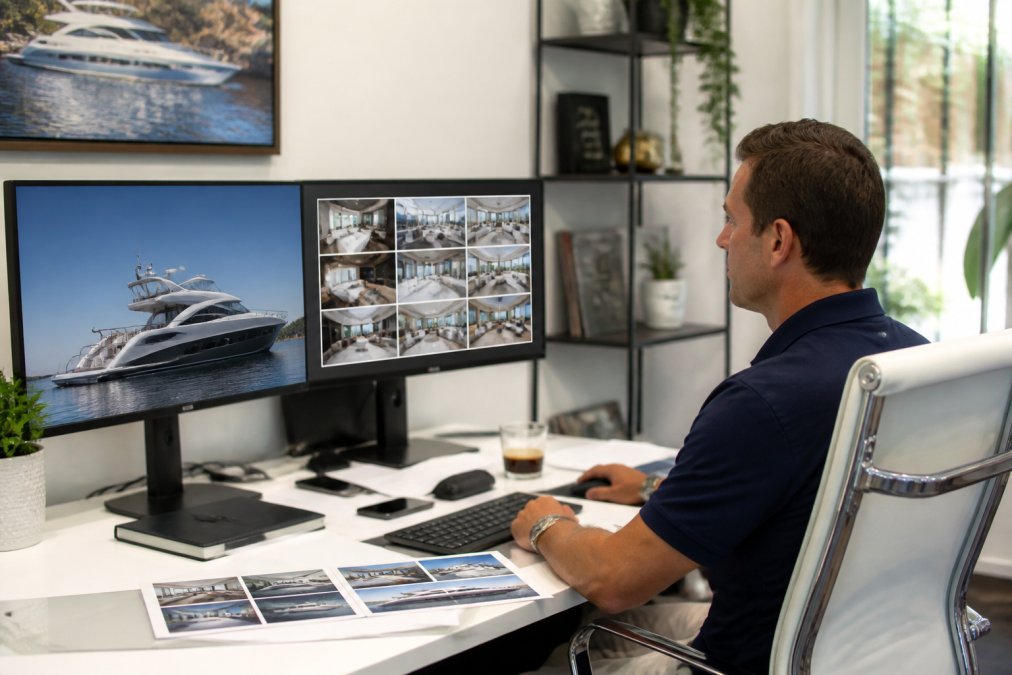
Lead generation capability is critical. How does the brokerage attract buyers? Do they have an active buyer database? Do they generate leads through advertising, referrals, or relationships? A brokerage that relies only on walk-in traffic or broker-to-broker referrals won't actively push your boat to potential buyers.
Ask about their CRM (customer relationship management) system. A professional brokerage tracks buyer preferences, follows up on inquiries, and maintains relationships with repeat clients. This infrastructure enables them to match new listings with qualified buyers quickly.
Marketing support should include professional photography and videography. A boat photographed in poor lighting with a phone camera will underperform compared to one shot by a professional marine photographer. Video tours are increasingly important for attracting serious buyers who want to see the boat before visiting in person.
Social media presence matters too. Does the brokerage actively promote listings on social platforms? Do they have an engaged following in the boating community? A brokerage with strong social presence can generate interest quickly when a new listing goes live.
The brokerage's website should be professional, easy to navigate, and mobile-friendly. Buyers often search for boats on phones while commuting or between appointments. A website that doesn't work well on mobile devices loses potential buyers.
Ask about their reporting and communication practices. How often will you receive updates on showings and inquiries? Will they send you market feedback and pricing guidance? Regular, transparent communication indicates a brokerage that's actively working on your behalf.
Compliance, Credentials, and Red Flags
Professional yacht brokerages operate under regulatory oversight and industry standards. What to look for in a brokerage includes verifying their credentials and compliance practices.
Ask whether the brokerage holds appropriate licenses and credentials. In most states, yacht brokers must be licensed real estate professionals or marine broker specialists. Verify that the brokerage maintains errors and omissions (E&O) insurance, which protects you if something goes wrong during the transaction.
Membership in professional organizations signals commitment to standards. The National Association of Realtors (NAR) and specialized marine broker associations maintain codes of conduct and require continuing education. A brokerage that belongs to these organizations has committed to professional standards and ongoing compliance.
Ask about their compliance procedures. How do they handle client funds? Are escrow accounts properly segregated? Do they maintain records of transactions and communications? These practices protect both you and the brokerage.
Red flags should stop you from working with a brokerage immediately. Be wary of brokers who pressure you to list at unrealistic prices or promise guaranteed sales. Be cautious if a brokerage is evasive about commission structure or refuses to explain terms clearly. If a broker seems more interested in getting you to sign than in understanding your needs, that's a warning sign.
Avoid brokerages that use high-pressure tactics, make guarantees that sound too good to be true, or discourage you from reviewing contracts carefully. These behaviors suggest they prioritize closing deals over serving client interests.
Check references and online reviews carefully. Read comments from both buyers and sellers. Look for patterns in complaints. One negative review might be an outlier, but multiple complaints about slow sales, poor communication, or hidden fees indicate systemic problems.
Trust your instincts about the broker personally. You'll be working with this person for months. If you don't feel confident in their expertise or comfortable with their communication style, that matters. A good brokerage relationship depends on trust and clear communication.
Conclusion
Choosing what to look for in a brokerage comes down to matching your specific needs with a broker's actual capabilities and track record. Specialization, transparent commission structure, active lead generation, and professional compliance practices separate brokerages that deliver results from those that simply collect listings.
At Primo Yachts of Palm Beach, we've been specializing in center console expertise since 2009. Our focus on this specific market segment means we understand your boat, your buyers, and the conditions that drive sales in this category. We maintain active buyer networks, invest in professional marketing and photography, and handle every transaction with the transparency and expertise that premium yacht owners expect. When you're ready to buy or sell, working with a brokerage that actually specializes in what you own makes the difference between a transaction that drags on and one that closes smoothly at the right price.
Frequently Asked Questions
How do I know what brokerage to choose?
Evaluate brokers on specialization in your vessel type, transparency in commission splits and fee structures, proven track record with similar boats, compliance certifications, and the quality of their marketing support. Interview multiple brokers, ask for references from recent clients, and assess whether their office culture and professional development align with your expectations. A broker specializing in center consoles, for instance, understands the specific buyer base and offshore capabilities that matter to you.
What are common red flags when selecting a yacht broker?
Watch for brokers who cannot clearly explain their yacht central agency agreement or fee schedule, lack verifiable credentials or E&O insurance, offer unrealistic timelines or pricing guarantees, use heavily edited or stock photography instead of honest vessel images, or show little knowledge of your specific boat type. Avoid brokers who pressure you into exclusive contracts without discussing exit strategy or termination terms, or who have poor office culture and high agent turnover. Trust your instincts if communication feels evasive about contractual obligations.
What is the difference between a central agency agreement and an open listing?
A yacht central agency agreement grants one broker exclusive selling rights for a defined period, typically offering stronger marketing commitment and dedicated attention. An open listing allows you to work with multiple brokers simultaneously, increasing exposure but potentially diluting marketing focus and creating coordination challenges. Central agency agreements often include specific performance benchmarks and termination clauses, while open listings require clearer communication about who handles inquiries and commission splits when multiple brokers are involved.
How does a brokerage's specialization impact the sale of center console vessels?
Specialized brokers understand the unique appeal, performance characteristics, and buyer demographics of center consoles. They know which features matter for offshore fishing, how hull condition affects value, and which buyers actively seek this vessel type. General brokers may misprice your boat, misrepresent its capabilities, or struggle to market it effectively. A broker with deep center console expertise typically achieves faster sales, better pricing, and stronger buyer-seller matching because they speak the language of your target market.
What should I look for in a yacht brokerage's marketing strategy?
Assess whether the brokerage uses professional photography, detailed specifications, and honest condition descriptions across multiple platforms. Ask how they generate leads, whether through their own network, industry databases, or paid marketing. Inquire about their transaction-based revenue model and whether they invest in CRM systems to track buyer interest. A strong marketing strategy includes consistent branding, regular updates, and access to a curated buyer database. Request examples of how they've marketed similar vessels and verify that their approach matches your visibility and pricing goals.
How can I verify the credentials and compliance of a yacht brokerage?
Confirm that brokers hold current E&O insurance, relevant maritime licenses, and membership in professional organizations. Ask about their compliance procedures for handling deposits, managing brokerage accounts, and adhering to regulatory obligations. Request references from recent transactions and verify those references independently. Check whether they clearly document all fees, contractual obligations, and account management practices. A reputable brokerage should readily provide proof of credentials and explain their due diligence process for both buyers and sellers.
What exit strategy should I discuss with a broker before signing?
Before committing to a yacht central agency agreement, clarify the contract termination clause, including notice period required, any penalties for early exit, and conditions that trigger automatic release (such as failure to generate leads or meet performance milestones). Understand what happens to your boat's listing if you terminate early and whether you can switch brokers without losing momentum. Discuss how disputes are resolved and whether there's a cap on commission or fee schedule adjustments. A transparent broker will explain these terms upfront and allow time for review.
This article was written using GrandRanker