 ultimate-guide
Private Yacht Registers: Benefits & Tax Advantages
Table of Contents
- What Are Private Yacht Registers and Why They Matter
- Tax Implications of Yacht Ownership and Registration
- Offshore vs Onshore Yacht Registration: Key Differences
- Yacht Registration Requirements and Compliance Standards
- Asset Protection and Privacy Benefits of Private Registers
- Financing, Insurance, and Legal Considerations
- Choosing the Right Register for Your Vessel
- Conclusion
Last Updated: August 20, 2026
What Are Private Yacht Registers and Why They Matter
A private yacht register is a vessel documentation system maintained by a private entity or jurisdiction that records ownership, liens, and vessel specifications while offering enhanced privacy protections and flexible regulatory frameworks compared to standard government registries. Unlike public registries where ownership information becomes part of the public record, private registers restrict access to vessel documentation and beneficial ownership details.
Yacht ownership often intersects with broader wealth management strategies. Owners of premium center console yachts and offshore fishing vessels frequently seek documentation solutions that align with their overall asset protection and privacy objectives. The right registration choice can simplify international cruising, reduce certain compliance burdens, and provide structural flexibility when vessels move between different jurisdictions.
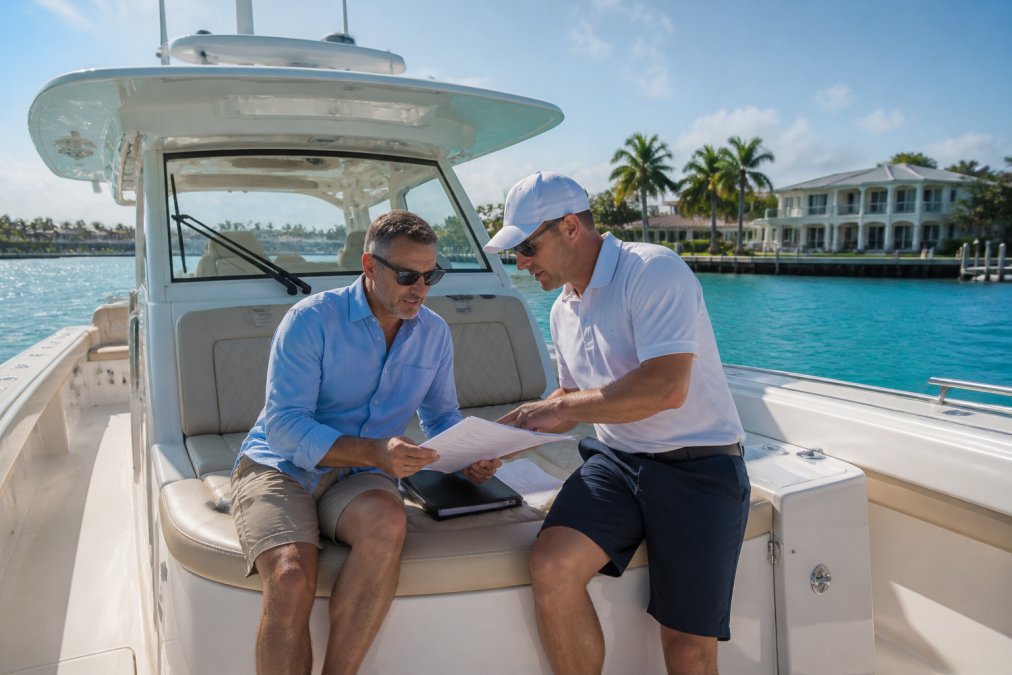
At Primo Yachts of Palm Beach, we've guided numerous vessel owners through the registration decision-making process. Owners who prioritize discretion, simplified compliance, and structural flexibility gravitate toward private registers. Those prioritizing maximum regulatory oversight typically prefer government registries.
The maritime law landscape has evolved considerably regarding beneficial ownership disclosure. Selecting the appropriate register for your vessel carries implications for taxation, international travel, financing options, and long-term asset protection.
Tax Implications of Yacht Ownership and Registration
The relationship between yacht registration and tax liability is often misunderstood. Registration choice doesn't directly determine tax obligations; the connection depends on individual circumstances, domicile, and vessel use.
Different registers operate under varying tax frameworks. Some offer tax neutrality, meaning registration doesn't trigger additional tax liabilities beyond what an owner already faces in their home jurisdiction. Others impose annual fees or tonnage taxes unrelated to personal income tax situations.
Your actual tax exposure is typically determined by personal tax residency and citizenship, not the vessel's flag state. An individual domiciled in the United States remains subject to federal income tax obligations regardless of where the yacht is registered. Beneficial ownership structures, whether held in personal name, trust, LLC, or corporate entity, significantly influence tax treatment.
A common mistake is conflating tax neutrality with tax avoidance. A register offering tax neutrality simply doesn't impose its own additional levies; it doesn't eliminate obligations you already have. Some private registers charge annual renewal fees substantially lower than tonnage taxes imposed by certain government registries, resulting in genuine cost savings.
Financing also intersects with tax considerations. Lenders evaluating mortgage applications often have preferences regarding which registers they'll accept. Certain registers are more widely recognized by major marine lenders, affecting your ability to secure favorable financing terms.
Offshore vs Onshore Yacht Registration: Key Differences
Offshore registration refers to registering a vessel under a foreign flag state rather than the United States flag. Onshore registration, typically under the U.S. flag through the Coast Guard's vessel documentation system, places your yacht within the American regulatory framework.
U.S. flag registration means compliance with U.S. maritime law, federal tax reporting requirements, and Coast Guard safety standards. The advantage lies in regulatory clarity and extensive legal infrastructure. The disadvantage involves greater transparency, as ownership information becomes part of a searchable public database.
Offshore registration places your vessel under a foreign jurisdiction's flag. The quality and credibility of different offshore registers varies dramatically. Some maintain rigorous compliance standards and international recognition; others operate with minimal oversight.
Practical differences extend beyond privacy. Offshore-registered vessels may face different port state control procedures. Insurance underwriters sometimes charge higher premiums due to perceived regulatory gaps. Crew hiring, employment contracts, liability protections, and maritime lien procedures vary significantly between jurisdictions.
For owners planning to cruise primarily in U.S. waters, onshore registration often makes practical sense despite reduced privacy. For owners planning extended international cruising, offshore registration through a reputable jurisdiction can provide meaningful operational advantages.
Registration choice also constrains or expands borrowing options, as some lenders specialize exclusively in U.S.-flagged vessels while others maintain relationships with international registers.
Yacht Registration Requirements and Compliance Standards
Every vessel register maintains minimum standards and documentation requirements. U.S. Coast Guard documentation requires vessel builders' certifications, proof of citizenship of ownership, and detailed specifications including length, beam, draft, and tonnage measurements.
Private registers maintain similar documentation requirements but often with greater flexibility regarding beneficial ownership structures. Instead of requiring individual owner identification, some accept documentation showing ownership through corporate entities or trusts, with beneficial owner details held separately and not disclosed publicly.
Classification societies establish and verify technical standards for vessel construction and maintenance. Lloyd's Register, American Bureau of Shipping, and others require vessels to maintain current classification society surveys, which verify that vessels meet established safety and structural standards. These surveys become particularly important when vessels are financed, insured, or sold.
Annual renewal requirements vary significantly between registers. Some impose minimal obligations beyond fee payment; others require periodic surveys, safety inspections, or updated documentation. Understanding these ongoing compliance obligations prevents inadvertent lapses in registration status.
Crew employment contracts and labor regulations represent another compliance dimension varying by flag state. Vessels registered under certain flags must comply with international maritime labor conventions establishing minimum standards for crew wages, working hours, and safety conditions.
Asset Protection and Privacy Benefits of Private Registers
A private register provides genuine privacy by restricting public access to ownership information. When a vessel is registered under your personal name in a public registry, anyone can search and discover details about your yacht ownership. Private registers address this by maintaining beneficial ownership information separately from the public registry.
Registration itself doesn't protect assets from creditors or legal judgments. However, certain private registers accommodate ownership structures such as trusts or corporate entities that can provide meaningful asset protection when properly structured with professional legal guidance.
Vessels operating in international waters benefit from maritime law frameworks establishing clear procedures for liability claims, salvage rights, and dispute resolution. Certain registers have stronger reputations for enforcing maritime law protections rigorously.
The distinction between legitimate privacy and improper asset concealment matters significantly. Proper registration and transparency regarding beneficial ownership, even in a private register, maintains compliance with applicable laws.
Privacy benefits extend to operational matters. Owners who prefer not to have vessel information available in searchable public databases can maintain greater discretion about movements, cruising plans, and vessel characteristics.
Financing, Insurance, and Legal Considerations
Marine lenders maintain specific preferences regarding which registers they'll finance. Some specialize exclusively in U.S.-flagged vessels; others maintain international relationships and readily finance vessels registered under established offshore registers. The register you choose directly determines which lenders will consider your vessel as collateral.
Marine mortgage registration procedures vary significantly between registers. U.S. Coast Guard documentation creates a clear, searchable public record of all mortgages and liens. Private registers often maintain different procedures, with some creating searchable registries while others maintain confidential lien records.
Marine insurance underwriters evaluate vessel registration as part of risk assessment. U.S.-flagged vessels with established documentation typically qualify for competitive rates from major underwriters. Certain offshore registers with strong reputations also qualify for favorable rates. Vessels registered under registers with minimal regulatory oversight may face higher premiums, coverage limitations, or refusal from major underwriters.
When disputes arise, the applicable legal framework depends partly on the vessel's flag state. Disputes involving U.S.-flagged vessels proceed under U.S. maritime law and federal court jurisdiction. Offshore-registered vessels may fall under different legal frameworks. Understanding how your register's legal framework addresses maritime disputes prevents surprises if you need to pursue or defend a claim.
Maritime law establishes specific liability frameworks and limitations. Certain registers operate within legal systems providing clearer liability protections for vessel owners.
Choosing the Right Register for Your Vessel
Selecting the appropriate register requires evaluating your specific situation against available options. No single register represents the universally best choice; the optimal decision depends on your priorities, cruising plans, financing needs, and privacy preferences.
Begin by clarifying your primary objectives. If privacy ranks among your top priorities and you plan extended international cruising, a reputable private offshore register likely aligns with your needs. If you anticipate needing marine financing, confirm that your preferred register is acceptable to potential lenders. If you plan to operate primarily in U.S. waters and value regulatory clarity, U.S. Coast Guard documentation may provide the most straightforward path.
Evaluate the specific register's reputation and regulatory standing. Established registers with long operational histories and strong international recognition typically offer better outcomes than newer registers with minimal track records. Research how different registers are treated by marine insurers, major lenders, and port authorities.
Consider your crew and operational structure. If you employ permanent crew or operate commercially, certain registers impose labor compliance requirements that others don't.
Assess the register's compliance requirements and ongoing obligations. Understanding these obligations helps you budget for compliance costs and prevents inadvertent lapses in registration status.
The geographic scope of your cruising plans influences which registers make practical sense. Registers widely recognized in regions where you plan to cruise create fewer complications during port calls.
Professional guidance becomes essential. Maritime attorneys and specialized yacht brokers understand the nuances of different registers and can evaluate how specific options align with your situation. Primo Yachts of Palm Beach maintains deep expertise in vessel registration and can guide you through the evaluation process.
| Registration Option | Primary Advantage | Key Consideration | Best For |
|---|---|---|---|
| U.S. Coast Guard Documentation | Regulatory clarity, public recognition | Ownership information public | U.S. waters cruising, traditional financing |
| Established Offshore Registers | Privacy, operational flexibility | Requires reputable jurisdiction | International cruising, privacy priority |
| Private Registers | Beneficial ownership confidentiality | Limited to specific jurisdictions | Discretion-focused owners, trust structures |
Conclusion
Private yacht registers offer meaningful advantages for owners who prioritize privacy, operational flexibility, and strategic asset structuring. The decision between private and public registers, and between onshore and offshore options, requires careful evaluation of your specific circumstances, cruising plans, financing needs, and privacy preferences.
The registration landscape has become increasingly sophisticated, with reputable private registers offering genuine alternatives to traditional government documentation. However, the wrong choice can create complications regarding financing, insurance, and international compliance.
At Primo Yachts of Palm Beach, we've helped numerous owners navigate this decision. Our expertise in center console yachts and offshore fishing vessels means we understand how different registration choices align with the operational realities of vessel ownership. Professional guidance ensures that your choice supports your ownership objectives.
The most important step is clarifying what matters most in your specific situation, then selecting a register that aligns with those priorities. The American Boat and Yacht Council provides technical standards that inform vessel documentation across multiple registers. The International Maritime Organization establishes conventions affecting vessel registration and operations. Connect with maritime professionals who can evaluate how different registers serve your particular needs.
Frequently Asked Questions
What are the primary benefits of choosing a private yacht register?
Private yacht registers offer significant advantages including enhanced asset protection, tax-neutral structures, privacy for beneficial ownership, and streamlined port clearance across international waters. Owners benefit from reduced regulatory oversight compared to commercial registries, lower annual renewal fees, and favorable treatment under maritime law. Many registers provide liability protection and simplified crew employment contract administration, making them ideal for high-net-worth individuals seeking discretion and operational flexibility.
How do tax implications of yacht ownership change with private registration?
Private yacht registers in tax-neutral jurisdictions can significantly reduce or eliminate vessel-related tax liability. Unlike domestic registration, offshore registration may exempt owners from certain income taxes, property taxes, and VAT assessments on yacht operations and chartering income. However, tax treatment depends on your residency, the flag state chosen, and how the vessel is used. Consult a maritime tax specialist to understand your specific obligations, as U.S. tax residency may still trigger reporting requirements regardless of registration location.
What is the difference between offshore vs onshore yacht registration?
Onshore registration ties your vessel to a specific country's regulatory framework, typically resulting in higher compliance costs, annual fees, and greater tax liability. Offshore registration in jurisdictions like the Cayman Islands or Marshall Islands offers tax neutrality, privacy, and reduced bureaucratic overhead. Offshore registers generally provide faster port clearance, lower vessel documentation costs, and asset protection benefits. However, onshore registration may simplify financing through domestic lenders and provides clearer legal recourse in home-country courts.
Are there hidden costs or requirements I should know about with private yacht registers?
Private registers require annual renewal fees, marine mortgage registration if financed, and compliance with classification society standards. You must maintain proper vessel documentation, crew employment contracts if operating commercially, and maritime insurance meeting flag state requirements. Some registers charge survey fees for initial registration. Additionally, if you charter your yacht, you may face VAT or income reporting obligations depending on the register and your jurisdiction. Budget for professional maritime legal advice to ensure full compliance.
This article was written using GrandRanker