 ultimate-guide
Florida Yacht Registration and Titling Requirements
Table of Contents
- Understanding Florida Yacht Registration and Titling Requirements
- Proof of Ownership and Documentation
- How to Register a Boat in Florida Without a Title
- Registration Fees, Decals, and Display Requirements
- Florida Boat Bill of Sale Requirements
- Florida Boat Sales Tax Exemptions and Calculations
- Registration Renewal, Transfers, and Exempt Vessels
- Lienholder Procedures and Out-of-State Registration
- Frequently Asked Questions
Last Updated: September 22, 2026
Understanding Florida Yacht Registration and Titling Requirements
Understanding Florida yacht registration titling requirements saves time, money, and frustration.
Florida's registration system establishes legal ownership, ensures proper taxation, and maintains safety standards. The process varies by vessel type, age, and origin.
Proof of Ownership and Documentation
Before completing yacht registration titling in Florida, you must establish proof of ownership, which determines your legal right to operate the vessel.
The primary document is either a certificate of title or a notarized bill of sale. The bill of sale must include the vessel's hull identification number, purchase price, date of sale, and signatures from both parties. New vessels may also include a manufacturer statement of origin.
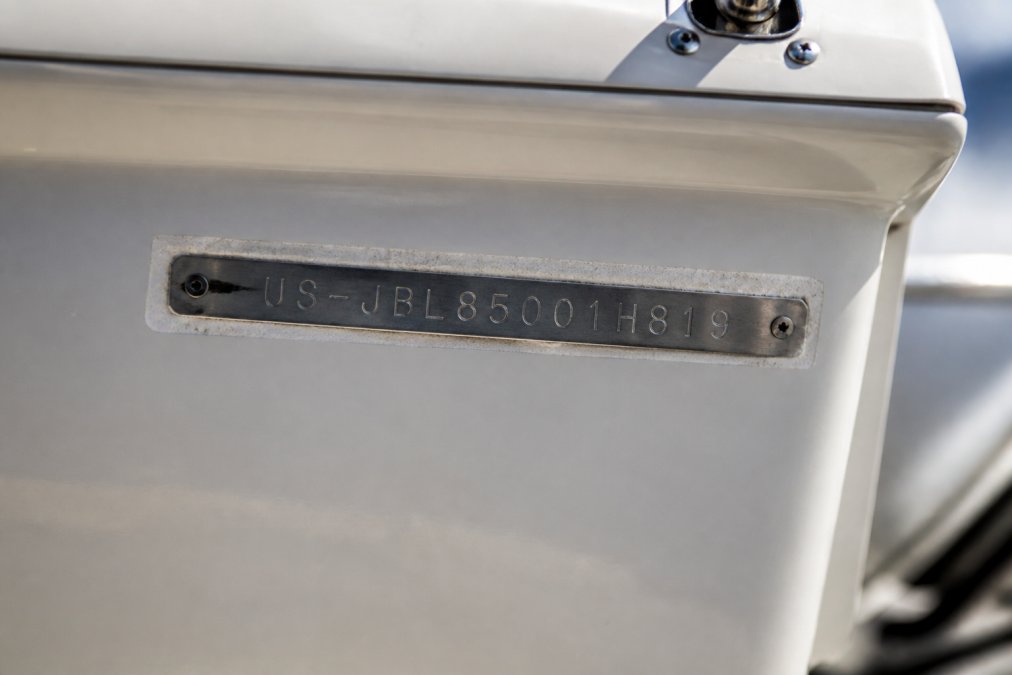
If your vessel has a lien, the lienholder's information must appear on your title application. When the lien is satisfied, obtain a lien release document from the creditor before transferring ownership.
Most recreational vessels register at the state level through Florida's tax collector's office; documented vessels registered with the U.S. Coast Guard follow federal procedures.
How to Register a Boat in Florida Without a Title
Registering a vessel without a title is common with older boats, custom-built vessels, or private purchases lacking documentation.
Florida allows registration without a title by submitting an application with proof of ownership (notarized bill of sale or affidavit) and, for custom-built vessels, construction documentation and hull identification number.
The tax collector may require photographs, proof of purchase, or inspection to verify the hull identification number.
For vessels without clear ownership history, obtain title through a notarized affidavit swearing you are the legal owner and have possessed the vessel for a specified period.
Registration Fees, Decals, and Display Requirements
Florida charges registration fees based on vessel length and age.
Fees vary by vessel length: under 16 feet, 16-65 feet, and over 65 feet. Fees are set by the Florida Department of Motor Vehicles and updated annually. Pay directly to the tax collector's office with your application.
Once registered, display the registration number on both hull sides in contrasting letters at least three inches tall, and place the decal on the upper right corner of the starboard side. Improper display can result in citations.
Registration is valid for one or three years; the decal shows the expiration date.
Florida Boat Bill of Sale Requirements
A proper bill of sale establishes ownership and protects both parties. Florida law specifies required contents.
The bill of sale must include both parties' full legal names and addresses, hull identification number, vessel length and year, purchase price, sale date, and notarized signatures from both parties.
Note any lien and lienholder information. If the vessel is sold subject to an existing lien, state this clearly. The seller should provide a lien release document before finalizing the sale.
If financing, your lender requires a copy of the notarized bill of sale. Keep multiple originals for the tax collector, lender, and your records.
Florida Boat Sales Tax Exemptions and Calculations
Sales tax rules differ significantly between dealer and private party purchases.
Dealer Sales vs. Private Party Sales
Dealer sales: Florida sales tax applies at point of sale on the full purchase price minus any trade-in allowance.
Private party sales: No sales tax is collected at sale; instead, you owe use tax when registering in Florida, calculated on the purchase price reported on your application. Underreporting invites audit risk.
How Trade-Ins Reduce Your Tax Basis
Trade-in allowances reduce taxable basis. Document the trade-in value with a bill of sale, appraisal, or dealer valuation; the tax collector may request verification.
Commercial Fishing Exemption
Commercial fishing vessels used exclusively for harvesting fish for sale may qualify for a sales tax exemption with proof of a commercial fishing license or Florida Fish and Wildlife Conservation Commission documentation. Recreational vessels and part-time commercial vessels do not qualify.
Out-of-State Purchases and Use Tax
If you purchase a vessel from an out-of-state dealer and have it delivered to you outside Florida, you typically do not owe Florida sales tax at the point of sale. However, when you register the vessel in Florida, you become liable for use tax on the purchase price. The tax collector will calculate this based on the amount you report on your registration application.
Documentation You'll Need
When you register your vessel, have these documents ready to support your tax calculation: the bill of sale showing the purchase price, trade-in documentation if applicable, proof of any exemption claimed, and documentation of the vessel's use classification if you're claiming commercial status.
Registration Renewal, Transfers, and Exempt Vessels
Understanding renewal procedures and transfer requirements ensures your registration stays current and your ownership records remain accurate.
Your vessel registration must be renewed before the expiration date shown on your decal. You can renew online through the Florida tax collector's website, by mail, or in person at your local tax collector's office. Renewal typically requires payment of the annual registration fee and verification that the vessel information hasn't changed. If you've made significant modifications to the vessel or changed its use classification, you may need to update your registration details.
Transferring ownership of a registered vessel requires both the seller and buyer to complete a transfer of title application. The seller must sign off on the transfer, and the buyer submits the application along with proof of ownership (the bill of sale) and payment of any applicable fees. The new owner then receives their own certificate of title and registration decal.
Certain vessels are exempt from registration requirements. Non-motorized vessels such as kayaks, canoes, and sailboats under 16 feet in length do not require registration if they're used for recreational purposes only. Vessels used exclusively for commercial purposes, government vessels, and vessels documented with the U.S. Coast Guard are also exempt from state registration. However, documented vessels still must comply with federal requirements and display their documentation numbers. Owners of these exempt craft should also consider how Florida boat insurance provides necessary financial protection against potential liabilities while operating on state waterways.
Lienholder Procedures and Out-of-State Registration
When financing a yacht purchase or transferring a vessel with an existing lien, understanding the procedural steps and title-holding mechanics protects your interests and ensures a smooth transaction.
How Liens Appear on Your Title
If you're financing your vessel purchase, your lender becomes the lienholder and their name appears on your certificate of title. The lienholder has a security interest in the vessel, meaning they hold legal claim to it until the loan is paid off. During the loan period, you are the registered owner and have the right to operate and use the vessel, but the lienholder's name on the title gives them the legal right to take possession if you default on the loan. This is standard practice for financed purchases and protects the lender's investment.
When you apply for title with a lien, you'll list the lienholder's full legal name, address, and loan account number on your application. The tax collector includes this information on your certificate of title. You'll receive a copy of the title, and the lienholder typically receives a copy as well, though some lenders request that the tax collector hold the original title until the lien is satisfied.
Removing a Lien After Payoff
When you pay off your loan, the lender provides a lien release document (also called a satisfaction of lien or lien release letter). This document confirms that the debt has been satisfied and the lender no longer has a security interest in the vessel. You must submit this lien release to the tax collector, along with a request to issue a new certificate of title without the lienholder's name. The tax collector will process this request and issue a clean title showing you as the sole owner with no lien.
Keep the original lien release document in your records. If you plan to sell the vessel, you'll need to provide proof that any liens have been satisfied before the buyer can obtain clear title.
Purchasing a Vessel with an Existing Lien
If you're interested in purchasing a vessel that still has a lien against it, you cannot obtain clear title until that lien is satisfied. The seller's lender has a legal claim to the vessel and must release that claim before ownership can transfer to you. This is where escrow arrangements become critical.
In a typical escrow transaction, a neutral third party (often a title company or attorney) holds the purchase funds. The seller's lender confirms in writing that the lien will be released once the sale proceeds are received. The escrow agent then coordinates the release: funds are transferred to the seller's lender to satisfy the outstanding loan, the lender issues a lien release, and the escrow agent releases the remaining funds to the seller. Only after the lien release is received does the buyer submit their registration application with proof that the lien has been satisfied.
Never take possession of a vessel with an outstanding lien unless you've confirmed in writing that the lien will be paid from the sale proceeds and you have a signed agreement from the seller's lender confirming the release terms.
Financing and Title Timing
Out-of-State Vessel Registration and Relocation
Frequently Asked Questions
Can I get a boat title with just a bill of sale in Florida?
A bill of sale alone is not sufficient to obtain a boat title in Florida. You must also provide proof of ownership, such as a manufacturer statement of origin for new vessels or a previous certificate of title for used vessels. The bill of sale documents the transaction, but the state requires additional documentation to establish legal ownership and issue a certificate of title. Submit both documents to your county tax collector's office.
How to avoid sales tax on a boat in Florida?
Trade-ins may reduce taxable value. Consult your county tax collector about specific exemptions applicable to your vessel type and purchase circumstances.
Which vessels are exempt from Florida registration?
Non-motorized vessels such as kayaks, canoes, and sailboats under 16 feet without motors are exempt from registration. Vessels with valid U.S. Coast Guard documentation are also exempt from state registration. Additionally, vessels registered in another state and temporarily in Florida waters may qualify for exemption under reciprocity rules. Check with your county tax collector to confirm your vessel's exemption status.
How long does it take to get a boat title in Florida?
Submitting all required documents, bill of sale, proof of ownership, hull identification number, and proof of sales tax payment, upfront accelerates the process. Contact your local tax collector's office for current processing times in your county.